Why Do Gallstones Keep Coming Back? Understanding Gallbladder Problems
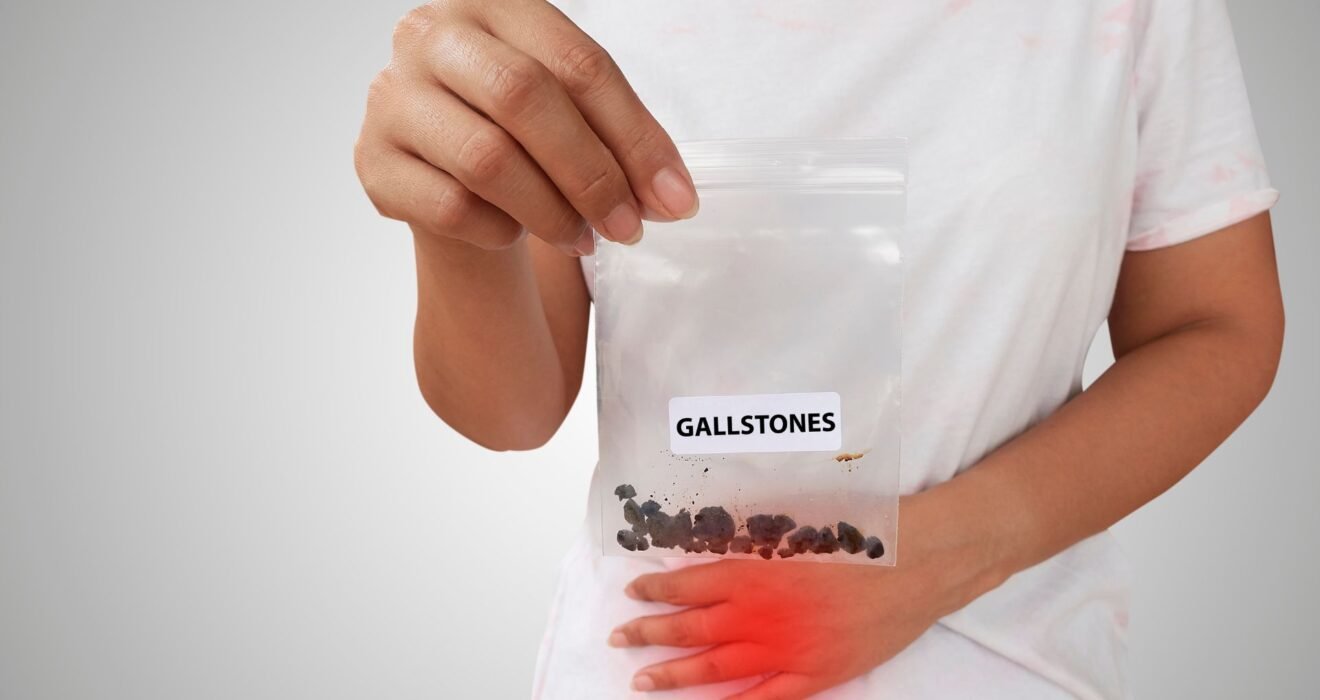
Gallstones are one of the most common problems affecting the gallbladder. Some people have gallstones for years without experiencing any symptoms, while others develop repeated episodes of upper abdominal pain, nausea, vomiting, indigestion or bloating. A common question patients ask is: “Why do my gallstones keep coming back?”
The answer depends on whether the gallbladder is still present, whether stones are forming inside the gallbladder or bile ducts, and whether the original symptoms were actually caused by gallstones.
Gallstones can be influenced by several factors, including genetics, age, obesity, rapid weight loss, diabetes, diet and changes in bile composition. When the gallbladder remains in place, the underlying tendency to form stones can continue. Removing only stones without addressing the gallbladder may therefore allow the problem to return in selected situations.
What Are Gallstones?
Gallstones are hardened deposits that develop from substances present in bile. The gallbladder is a small organ located beneath the liver. It stores bile produced by the liver and releases it into the digestive system, particularly after meals.
Gallstones can vary considerably in size and number. Some people have a single stone, while others have multiple small stones. Importantly, not every gallstone causes symptoms, and people with silent gallstones may not need treatment.
Problems generally occur when a stone blocks the normal flow of bile.
Why Do Gallstones Form in the First Place?
Gallstones can develop when the chemical balance of bile changes or when the gallbladder does not empty normally. There is no single cause in every patient.
Several factors can increase the likelihood of gallstone formation.
Obesity and Excess Weight
Being overweight or living with obesity is associated with a greater risk of gallstones. Changes in cholesterol metabolism can increase the likelihood of cholesterol stones forming.
Rapid Weight Loss
Rapid weight loss can also increase gallstone risk. This may occur with very restrictive diets or after certain weight-loss procedures. Losing weight gradually under appropriate guidance is generally preferable.
Diabetes and Metabolic Problems
Diabetes and other metabolic conditions can be associated with gallstone disease. Insulin resistance, obesity and abnormal lipid metabolism can occur alongside gallbladder problems.
Age and Genetics
Gallstones become more common with increasing age, and family history can also play a role. Some individuals may be genetically more susceptible to developing gallstones.
Diet and Lifestyle
A diet high in calories and unhealthy fats, combined with low physical activity, may contribute to the metabolic conditions associated with gallstone formation. However, gallstones are not caused by one particular food alone.
Why Do Gallstones Seem to Keep Coming Back?
There are several different situations that patients describe as “gallstones coming back.”
The first possibility is that the gallbladder is still present. If only a stone or stones have been removed while the gallbladder remains, the gallbladder can continue to form stones. The underlying environment that allowed the original stones to develop has not necessarily disappeared.
This is one reason why, when gallstones are causing recurrent symptoms or complications, doctors may recommend removing the gallbladder rather than simply removing individual stones.
Another possibility is that a stone has moved from the gallbladder into the bile duct. In some patients, a stone can remain in or later develop within the bile ducts and cause symptoms such as abdominal pain, jaundice or pancreatitis.
Therefore, “recurring gallstones” does not always mean that an entirely new stone has formed inside the gallbladder.
Can Gallstones Come Back After Gallbladder Removal?
This is an important distinction.
After a complete gallbladder removal, known as cholecystectomy, new gallstones cannot normally form in the gallbladder because the gallbladder is no longer present. However, a stone may occasionally remain in or later develop within the bile ducts.
Persistent or recurrent abdominal symptoms after gallbladder surgery can also have causes unrelated to gallstones. Indigestion, acid reflux, peptic ulcer disease, functional bowel disorders and other gastrointestinal conditions can sometimes produce symptoms that feel similar to gallbladder pain.
For this reason, ongoing symptoms after gallbladder surgery should be evaluated rather than automatically assumed to be “new gallstones.”
What Does Gallstone Pain Feel Like?
Typical gallstone pain is often felt in the upper-right or central part of the abdomen. It may be severe and persistent and can last from more than 30 minutes to several hours.
Some patients experience pain after eating, particularly after a heavy or fatty meal. The discomfort can sometimes radiate toward the back or right shoulder. Nausea and vomiting may occur as well.
However, abdominal pain is not always caused by gallstones. Gas, acidity, ulcers, pancreatitis, liver conditions and other gastrointestinal problems can produce overlapping symptoms.
That is why proper evaluation is important before assuming that every episode of abdominal discomfort is a gallbladder attack.
Gallstones vs Acidity: Why the Difference Matters
Many patients initially assume that upper abdominal discomfort is acidity or gas.
Acidity may cause burning behind the chest or in the upper abdomen and may be related to meals or lying down. Gallstone pain, on the other hand, is commonly described as a deeper, stronger pain in the upper abdomen or right upper side.
But symptoms can overlap.
If pain is recurrent, severe, lasts for a significant period or is accompanied by vomiting, fever or jaundice, it should not simply be treated as acidity without medical evaluation.
Can Diet Stop Gallstones From Coming Back?
Diet can help manage symptoms and improve overall metabolic health, but there is no guaranteed diet that dissolves all gallstones or prevents every recurrence.
People waiting for treatment may find that certain foods trigger symptoms. A doctor or dietitian may recommend reducing foods that repeatedly cause discomfort, particularly very fatty or fried meals.
A balanced diet, healthy weight management and regular physical activity are also important for reducing metabolic risk factors associated with gallstone disease.
However, patients should avoid extreme dieting or very rapid weight loss because rapid weight loss itself can increase the risk of gallstones.
Do All Gallstones Need Surgery?
No.
This is an important point.
Many people have gallstones that never cause symptoms. If gallstones are discovered incidentally and the gallbladder and bile ducts are otherwise normal, treatment may not be necessary.
Surgery becomes more relevant when gallstones cause repeated symptoms or complications. Problems such as acute cholecystitis, bile duct obstruction, jaundice or gallstone-related pancreatitis may change the treatment approach.
The decision should be based on symptoms, imaging findings, overall health and the patient’s individual risk factors.
When Is Gallbladder Removal Recommended?
When symptomatic gallstones repeatedly cause significant pain or complications, doctors may recommend cholecystectomy, or removal of the gallbladder.
The purpose is not simply to remove the existing stones. Removing the gallbladder eliminates the organ in which gallstones were forming and therefore greatly reduces the possibility of future gallbladder stones causing the same type of problem.
For many suitable patients, the procedure is performed using laparoscopic or keyhole surgery.
However, the suitability of laparoscopic surgery depends on the patient’s condition, previous surgeries, inflammation, anatomy and other medical factors. In some situations, open surgery or a change in surgical approach may be necessary.
What Is Laparoscopic Gallbladder Surgery?
Laparoscopic cholecystectomy is a minimally invasive procedure in which the surgeon removes the gallbladder through several small abdominal incisions using a camera and specialized instruments.
Compared with traditional open surgery, laparoscopic surgery generally involves smaller incisions and can allow a quicker recovery for suitable patients. Many patients can return home relatively soon after surgery, although recovery varies depending on the individual and complexity of the procedure.
A person can live normally without a gallbladder. After gallbladder removal, bile produced by the liver continues to reach the intestine rather than being stored in the gallbladder.
What If a Stone Is Stuck in the Bile Duct?
Sometimes a gallstone moves out of the gallbladder and becomes lodged in a bile duct.
This can cause obstruction and may lead to jaundice or other complications. Depending on the situation, a procedure called ERCP (endoscopic retrograde cholangiopancreatography) may be used to access and clear stones from the bile duct.
Bile duct stones require careful assessment because obstruction can sometimes affect the liver, gallbladder or pancreas.
Warning Signs You Should Not Ignore
Gallstone symptoms should receive urgent medical attention when they are severe or associated with signs of complications.
Seek urgent medical care if you experience:
- Sudden or severe abdominal pain
- Persistent upper-right abdominal pain
- Repeated vomiting
- Fever or chills
- Yellowing of the eyes or skin
- Dark urine or unusually pale stools
- Severe pain spreading toward the back
- Abdominal pain accompanied by feeling very unwell
These symptoms can occur with complications such as acute cholecystitis, bile duct obstruction or pancreatitis.
How Are Recurrent Gallstones Diagnosed?
A doctor will usually begin with your symptoms and medical history and perform an abdominal examination.
An ultrasound scan is commonly used to identify gallstones and assess the gallbladder. Blood tests may also help evaluate inflammation, liver function and other possible complications.
Depending on the findings, additional imaging or procedures may be recommended, particularly if a bile duct stone is suspected.
The important point is that treatment should be based on the actual cause of the symptoms rather than assuming that every episode is caused by gallstones.
What Happens If Gallstones Are Ignored?
Some people with gallstones never develop complications. Others may experience repeated attacks or develop more serious problems.
A gallstone can block the gallbladder outlet and contribute to inflammation called acute cholecystitis. A stone entering the bile duct can cause jaundice, while blockage near the pancreatic duct can contribute to gallstone pancreatitis.
Repeated episodes of pain should therefore not simply be ignored or managed indefinitely with home remedies.
Can Gallstones Be Prevented Completely?
There is no guaranteed way to prevent every gallstone.
However, maintaining a healthy weight, avoiding extreme crash diets, staying physically active and managing conditions such as diabetes and abnormal cholesterol can support overall metabolic health.
If you already have diagnosed gallstones, prevention also depends on whether they are asymptomatic or causing recurrent symptoms. Your treatment plan should be individualized rather than based only on the size or number of stones.
When Should You See a Gastro Surgeon?
You should consider specialist evaluation if you have repeated upper-right abdominal pain, known gallstones with recurrent symptoms, gallbladder inflammation, jaundice, suspected bile duct stones or a previous episode of gallstone pancreatitis.
A gastrointestinal and laparoscopic surgeon can assess whether your symptoms are likely to be related to gallstones, whether further testing is required and whether surgical treatment is appropriate.
Dr. Amandeep Singh Sandhu is a gastrointestinal and laparoscopic surgeon serving patients in Mohali, Chandigarh and surrounding areas. His areas of surgical practice include gallbladder and biliary tract surgery, laparoscopic surgery, liver surgery, pancreatic surgery, gastric surgery, colorectal surgery and other gastrointestinal procedures. Dr. Amandeep Singh Sandhu – Official Website
Patients from Mohali, Chandigarh, Panchkula, Kharar, Zirakpur, New Chandigarh, Dera Bassi, Landran, Kurali, Nayagaon, Rajpura, Patiala, Sirhind, Fatehgarh Sahib, Bassi Pathana and other nearby areas of Punjab and the Tricity region may seek specialist consultation according to their individual medical needs.