Gallbladder Stone Symptoms – When Do You Need Surgery?
Introduction
Gallbladder stones, commonly known as gallstones, are one of the most common digestive disorders affecting millions of people worldwide. Many individuals have gallstones without experiencing any symptoms, while others suffer from severe abdominal pain, nausea, indigestion, and recurring digestive discomfort that can significantly affect their quality of life. When left untreated, gallstones may lead to serious complications such as gallbladder infection, bile duct blockage, pancreatitis, and jaundice.
Understanding the symptoms of gallstones and knowing when surgery is necessary can help prevent complications and ensure timely treatment. Dr. Amandeep Singh Sandhu, a leading Gastrointestinal and Laparoscopic Surgeon, specializes in diagnosing and treating gallbladder diseases using advanced minimally invasive surgical techniques. Patients from Mohali, Chandigarh, Zirakpur, Kharar, Landran, New Chandigarh, Panchkula, Kurali, Rupnagar (Ropar), Patiala, Ambala, and nearby areas trust his expertise for comprehensive digestive care.
What Are Gallbladder Stones?
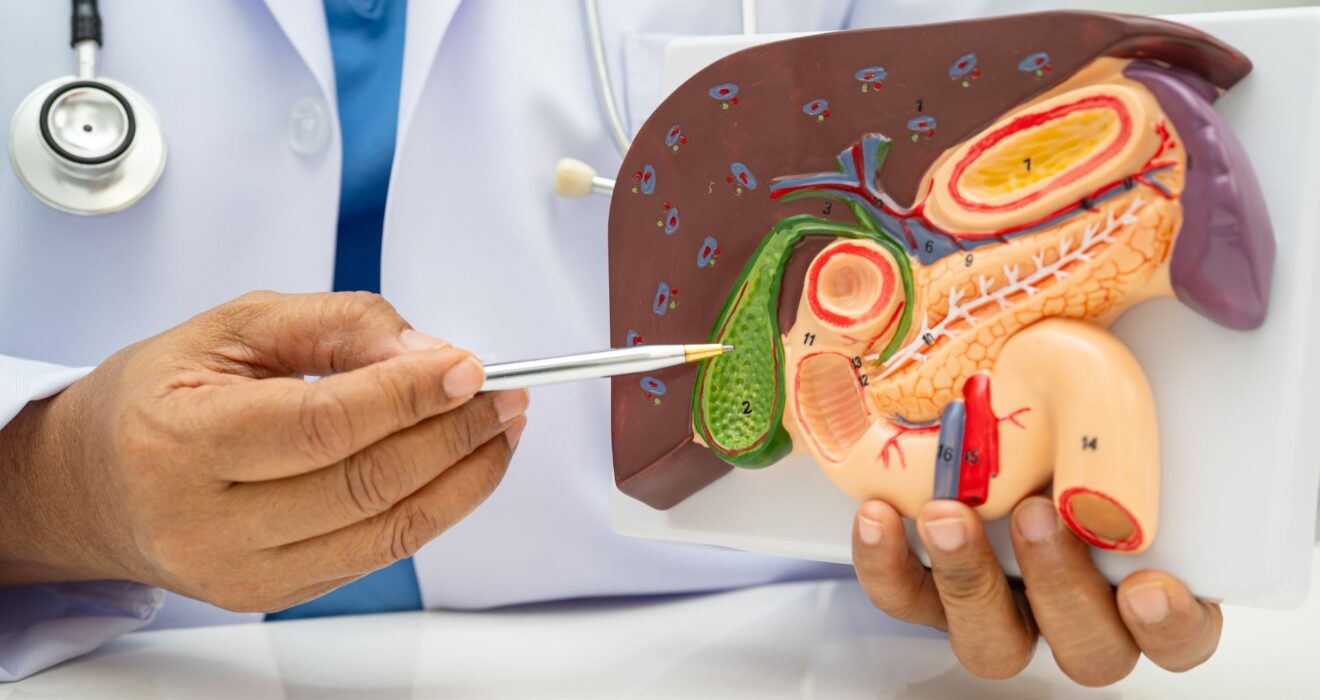
The gallbladder is a small pear-shaped organ located beneath the liver. Its primary function is to store bile, a digestive fluid produced by the liver that helps digest fats. Gallstones form when substances in bile, such as cholesterol or bilirubin, harden into stone-like deposits.
Gallstones can range in size from tiny grains of sand to large stones several centimeters in diameter. Some people develop a single large stone, while others may have multiple smaller stones.
Types of Gallstones
There are two main types of gallstones:
Cholesterol Gallstones
These are the most common type and are primarily made of hardened cholesterol. They often develop when bile contains too much cholesterol or when the gallbladder does not empty properly.
Pigment Gallstones
These stones are usually smaller and darker in color. They form due to excess bilirubin in the bile and are more common in people with liver disease, blood disorders, or infections.
What Causes Gallstones?
Several factors increase the risk of developing gallstones, including:
- High cholesterol levels
- Obesity
- Rapid weight loss
- Diabetes
- Fatty liver disease
- Pregnancy
- Hormonal changes
- Family history of gallstones
- Increasing age
- High-fat diet
- Sedentary lifestyle
People over the age of 40 and women are generally at a higher risk, although gallstones can develop in younger adults as well.
Common Gallbladder Stone Symptoms
Many people with gallstones never experience symptoms. However, when a stone blocks the flow of bile, symptoms can appear suddenly and become severe.
Severe Pain in the Upper Abdomen
The most common symptom is intense pain in the upper right side of the abdomen. The pain may begin suddenly and last from several minutes to several hours.
Pain After Eating
Pain often develops after eating fatty or oily foods because the gallbladder contracts to release bile during digestion.
Pain That Spreads to the Shoulder
Gallbladder pain may radiate to the right shoulder or between the shoulder blades.
Nausea and Vomiting
Gallstones frequently cause nausea and vomiting, especially during painful attacks.
Indigestion and Bloating
Many patients experience persistent bloating, excessive gas, belching, and discomfort after meals.
Loss of Appetite
Recurring digestive discomfort often leads to reduced appetite and avoidance of certain foods.
Fever and Chills
If the gallbladder becomes infected, fever and chills may occur and require immediate medical attention.
Jaundice
When a gallstone blocks the common bile duct, the skin and eyes may turn yellow due to bile buildup.
Symptoms That Should Never Be Ignored
Seek immediate medical care if you experience:
- Severe abdominal pain lasting more than a few hours
- High fever with abdominal pain
- Yellowing of the skin or eyes
- Persistent vomiting
- Dark urine
- Pale-colored stools
- Difficulty eating due to repeated pain
These symptoms may indicate serious complications requiring urgent treatment.
How Are Gallstones Diagnosed?
Early diagnosis allows timely treatment and helps prevent complications.
Your gastro surgeon may recommend:
Physical Examination
The doctor evaluates your symptoms and checks for abdominal tenderness.
Ultrasound
Ultrasound is the most commonly used test to detect gallstones.
Blood Tests
Blood tests help identify infection, inflammation, liver problems, or bile duct obstruction.
CT Scan or MRI
Advanced imaging may be recommended if complications are suspected.
Endoscopic Procedures
In selected cases, endoscopic procedures may be used to diagnose or remove stones from the bile duct.
Can Gallstones Be Treated Without Surgery?
If gallstones do not cause symptoms, treatment may not be immediately required. Doctors may recommend regular monitoring.
However, once gallstones become symptomatic, surgery is usually the most effective and permanent treatment.
Medications that dissolve gallstones are rarely used because they work slowly and stones often recur after treatment.
When Do You Need Gallbladder Surgery?
Gallbladder removal surgery is recommended when:
- Gallstones cause repeated pain
- Symptoms interfere with daily life
- Gallbladder inflammation develops
- Infection occurs
- Gallstones block the bile duct
- Pancreatitis develops due to gallstones
- Jaundice occurs
- Gallbladder polyps coexist with stones in selected patients
Delaying surgery after recurrent attacks increases the risk of emergency complications.
Laparoscopic Gallbladder Surgery
Laparoscopic cholecystectomy is considered the gold standard treatment for symptomatic gallstones.
During the procedure, the surgeon removes the gallbladder through a few small incisions using a camera and specialized instruments.
The body continues to digest food normally because bile flows directly from the liver into the intestine.
Benefits of Laparoscopic Surgery
Compared with traditional open surgery, laparoscopic surgery offers several advantages:
- Smaller incisions
- Less pain
- Faster recovery
- Minimal blood loss
- Lower risk of infection
- Short hospital stay
- Minimal scarring
- Faster return to work and normal activities
Because of these benefits, laparoscopic surgery is the preferred option for most patients.
Recovery After Gallbladder Surgery
Recovery following laparoscopic surgery is generally smooth.
Most patients:
- Walk within hours after surgery
- Resume light activities in a few days
- Return to work within one to two weeks, depending on the nature of their job
- Resume a normal diet gradually, following their surgeon’s advice
Following postoperative instructions helps ensure an uneventful recovery.
What Happens If Gallstones Are Left Untreated?
Ignoring symptomatic gallstones may lead to serious health problems.
Possible complications include:
Acute Cholecystitis
Inflammation of the gallbladder causing severe pain, fever, and infection.
Choledocholithiasis
Gallstones entering the common bile duct can block bile flow.
Pancreatitis
Gallstones may block the pancreatic duct, leading to painful inflammation of the pancreas.
Gallbladder Empyema
Severe infection causing pus accumulation inside the gallbladder.
Gallbladder Perforation
A severely inflamed gallbladder may rupture, becoming a surgical emergency.
Timely treatment significantly reduces the risk of these complications.
Can Gallstones Be Prevented?
Although not every case can be prevented, healthy lifestyle habits can lower the risk.
Helpful measures include:
- Maintain a healthy body weight.
- Avoid rapid weight loss.
- Eat a balanced diet rich in fruits, vegetables, and whole grains.
- Reduce intake of fried and processed foods.
- Exercise regularly.
- Manage diabetes and cholesterol.
- Stay adequately hydrated.
These steps also support overall digestive and liver health.
Why Choose Dr. Amandeep Singh Sandhu?
Dr. Amandeep Singh Sandhu is recognized for his expertise in gastrointestinal and laparoscopic surgery. He offers comprehensive evaluation and advanced treatment for gallbladder diseases using modern minimally invasive techniques.
His specialties include:
- Laparoscopic Gallbladder Surgery
- Hernia Surgery
- Bariatric Surgery
- Colorectal Surgery
- Liver Surgery
- Pancreatic Surgery
- Gastric Surgery
- Esophageal Surgery
- Laser Piles Surgery
- Laser Fissure Surgery
- Laser Fistula Surgery
Patients from Mohali, Chandigarh, Kharar, Landran, New Chandigarh, Zirakpur, Panchkula, Kurali, Rupnagar (Ropar), Ambala, Patiala, and surrounding regions rely on his experience for safe, evidence-based gastrointestinal care.
When Should You Consult a Gastro Surgeon?
Do not ignore recurring digestive symptoms. You should consult a gastro surgeon if you experience:
- Repeated upper abdominal pain
- Pain after fatty meals
- Persistent nausea or vomiting
- Frequent bloating and indigestion
- Fever with abdominal pain
- Yellowing of the skin or eyes
- Gallstones diagnosed on ultrasound with recurring symptoms
Early evaluation allows appropriate treatment before complications develop.
Conclusion
Gallstones are common, but they should never be ignored once they begin causing symptoms. Recurrent abdominal pain, nausea, bloating, jaundice, or digestive discomfort may indicate that your gallbladder is no longer functioning normally. Early diagnosis and timely treatment can prevent serious complications and improve your quality of life.
If you are looking for the Best Gastro Surgeon in Mohali, Gallbladder Stone Specialist in Chandigarh, Laparoscopic Gallbladder Surgeon in Mohali, Top Gastroenterologist in Zirakpur, Liver Specialist in Chandigarh, or Stomach Specialist near Kharar, consult Dr. Amandeep Singh Sandhu for expert evaluation and advanced minimally invasive treatment.
Visit https://dramandeep.com/ to learn more about gallbladder stone treatment, laparoscopic surgery, and comprehensive gastrointestinal care, or book your consultation with Dr. Amandeep Singh Sandhu today.