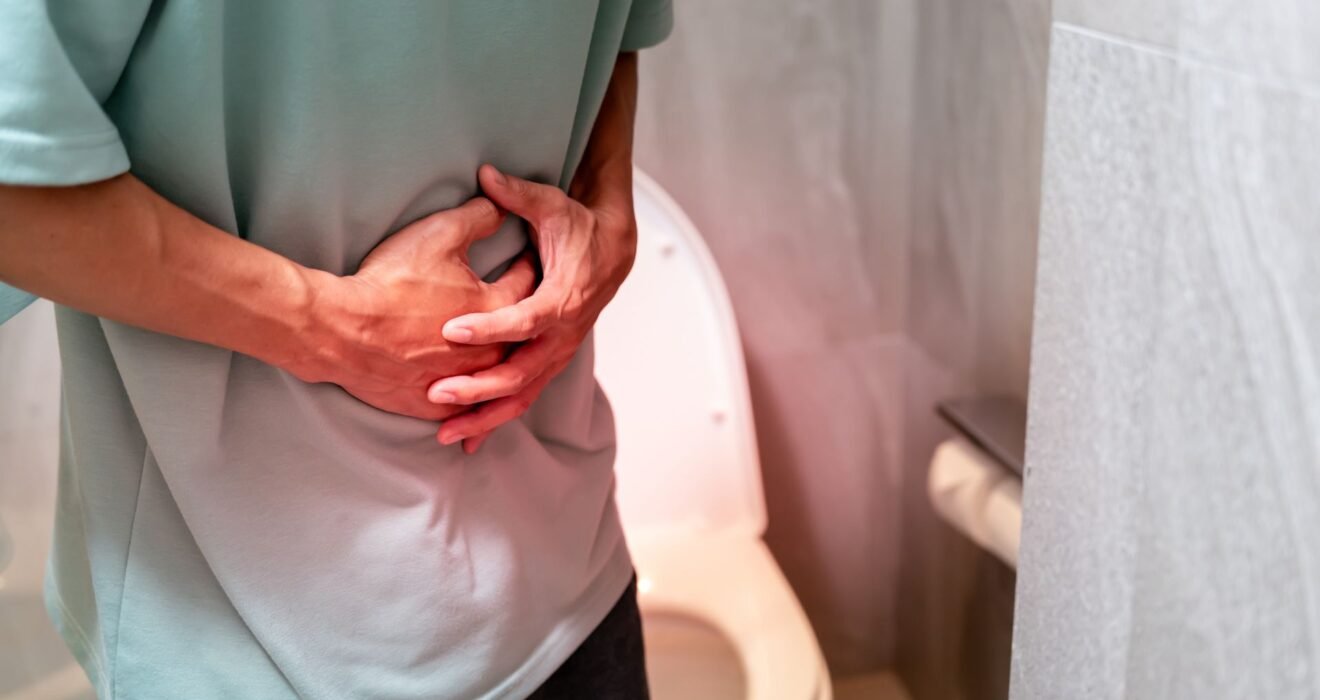
Constipation for Months? Warning Signs You Should Not Ignore
Constipation is one of the most common digestive problems, but when it continues for weeks or months, it should not be treated as a minor inconvenience. Occasional constipation may occur because of dietary changes, inadequate fluid intake, travel, stress, or reduced physical activity. However, chronic constipation can sometimes be associated with an underlying digestive, metabolic, medication-related, or structural problem.
People who regularly experience hard stools, difficulty passing stool, excessive straining, abdominal discomfort, bloating, or a feeling of incomplete bowel emptying may benefit from professional evaluation. For patients searching for a Gastro Surgeon in Chandigarh, Mohali, Kharar, Zirakpur, Dera Bassi, or nearby areas, understanding the warning signs of persistent constipation can help determine when specialist care is needed.
What Is Constipation?
Constipation does not simply mean having fewer bowel movements than someone else. Bowel habits vary considerably between individuals.
Constipation commonly involves passing hard or dry stools, difficulty passing stool, excessive straining, feeling that the bowel has not emptied completely, or having bowel movements less frequently than usual.
Some people may experience constipation along with bloating, abdominal pain, gas, reduced appetite, or a feeling of heaviness.
When these symptoms continue for several months, it is important to understand why they are occurring instead of repeatedly relying on temporary remedies.
Why Can Constipation Become Chronic?
There are many possible causes of chronic constipation. In some people, lifestyle factors are responsible. A diet low in fiber, insufficient fluid intake, limited physical activity, irregular toilet habits, and prolonged sitting can contribute to constipation.
Modern working lifestyles can make these problems more common. Long hours at a desk, frequent eating outside, inadequate water intake, stress, and lack of exercise can all affect regular bowel movements.
However, chronic constipation can also be associated with medications, hormonal or metabolic conditions, irritable bowel syndrome, pelvic floor problems, or disorders affecting the movement of the colon.
1. Constipation That Lasts for Months
If constipation continues for several months, it deserves attention.
Occasional constipation is common, but long-lasting symptoms can affect quality of life and may lead to complications such as hemorrhoids, anal fissures, abdominal discomfort, and persistent bloating.
Chronic constipation does not automatically mean that there is a serious disease. However, persistent symptoms should be evaluated to identify the cause and determine an appropriate treatment plan.
A Gastro Specialist or Gastrointestinal Surgeon can assess your symptoms and decide whether further investigation is necessary.
2. Blood in the Stool
Blood in the stool is an important warning sign that should not simply be attributed to constipation.
Hard stools and excessive straining can contribute to hemorrhoids or anal fissures, both of which may cause rectal bleeding. However, bleeding can have several other causes.
The appearance of blood can also provide clues. Bright-red blood may occur with conditions affecting the lower digestive tract, while black or tarry stools can indicate bleeding higher in the gastrointestinal tract.
Persistent or unexplained rectal bleeding requires medical evaluation rather than self-treatment.
3. Unexplained Weight Loss
Unintentional weight loss along with persistent constipation should be discussed with a healthcare professional.
Weight can change for many harmless reasons, but unexplained weight loss may sometimes indicate an underlying gastrointestinal, metabolic, or systemic condition.
If constipation is accompanied by reduced appetite, significant weight loss, weakness, or other persistent symptoms, a doctor may recommend further evaluation.
4. Severe or Persistent Abdominal Pain
Mild abdominal discomfort can occur with constipation because stool can accumulate in the colon and cause bloating or pressure.
However, severe, persistent, or worsening abdominal pain should not automatically be assumed to be caused by constipation.
Abdominal pain combined with vomiting, swelling, fever, inability to pass stool or gas, or significant tenderness can sometimes indicate a more urgent gastrointestinal problem.
In such situations, prompt medical attention is important.
5. Persistent Bloating and Abdominal Swelling
Bloating is commonly associated with constipation. When stool movement through the bowel slows, some people experience increased gas, abdominal fullness, or distension.
If bloating becomes persistent or progressively worse, it is worth discussing with a digestive health specialist.
Constipation may be the cause, but other gastrointestinal conditions can produce similar symptoms. Proper evaluation can help distinguish between them.
6. Vomiting Along With Constipation
Constipation accompanied by repeated vomiting should not be ignored.
In some situations, severe constipation may occur alongside significant intestinal dysfunction or obstruction. Other causes of vomiting and abdominal symptoms are also possible.
If you are unable to keep fluids down, have severe abdominal pain or swelling, or cannot pass stool or gas, seek urgent medical attention.
7. A Sudden Change in Bowel Habits
A sudden and persistent change in bowel habits deserves attention, particularly in adults who previously had regular bowel movements.
Changes can include newly developed constipation, alternating constipation and diarrhea, unusually narrow stools, increased urgency, or persistent difficulty emptying the bowel.
Many bowel changes have benign causes, but persistent changes should be discussed with a healthcare professional to determine whether investigation is appropriate.
8. Feeling That Your Bowel Never Completely Empties
Some people with chronic constipation can pass stool but still feel that something remains.
This sensation of incomplete evacuation can be associated with constipation, pelvic floor dysfunction, or other bowel disorders.
Repeatedly sitting on the toilet and straining can make symptoms worse and may contribute to hemorrhoids or anal fissures.
A specialist can evaluate your bowel symptoms and recommend appropriate management.
9. Constipation With Painful Bowel Movements
Hard stool can stretch and irritate the anal canal. This may lead to pain during bowel movements and can contribute to an anal fissure.
An anal fissure is a small tear in the lining around the anus and may cause sharp or burning pain during and after passing stool.
When pain causes someone to avoid using the toilet, constipation can become worse, creating a cycle of hard stools, pain, and further difficulty passing stool.
Persistent symptoms may require professional treatment.
10. Repeated Dependence on Laxatives
Laxatives can be useful for certain people when recommended appropriately, but repeatedly using over-the-counter products without identifying the cause of chronic constipation is not ideal.
If you regularly need laxatives to have a bowel movement, discuss the situation with a healthcare professional.
A doctor can assess your diet, fluid intake, physical activity, medications, medical history, and symptoms and determine whether additional testing or a different treatment approach is needed.
Common Lifestyle Factors Behind Constipation
Several everyday habits can contribute to constipation. Not drinking enough fluids, consuming too little dietary fiber, eating highly processed foods, and remaining physically inactive can affect bowel regularity.
Ignoring the urge to pass stool can also contribute to problems. Busy work schedules sometimes cause people to postpone using the toilet repeatedly.
Regular physical activity, adequate hydration, a balanced diet containing appropriate fiber, and responding to the body’s natural urge to pass stool can support healthier bowel habits.
Can Stress Affect Constipation?
The digestive system and nervous system communicate closely with each other. Stress can influence digestive function and may affect bowel habits in some individuals.
People experiencing high stress may also change their eating, sleeping, exercise, and hydration habits, which can indirectly contribute to constipation.
If constipation occurs alongside significant bloating, abdominal discomfort, diarrhea, or changes in bowel habits, a Gastro Specialist can help determine whether a functional digestive disorder such as irritable bowel syndrome may be involved.
When Should You See a Gastro Surgeon?
Not every case of constipation requires surgery. Most people with constipation can initially be managed with lifestyle changes, dietary measures, medication, or other non-surgical approaches depending on the underlying cause.
However, specialist evaluation becomes particularly important when constipation is chronic, severe, unexplained, or associated with warning signs such as blood in stool, unexplained weight loss, severe abdominal pain, persistent vomiting, significant abdominal swelling, fever, or a major change in bowel habits.
A Gastrointestinal Surgeon may become involved when a structural problem, bowel obstruction, complicated colorectal condition, or another condition requiring a procedure or surgery is suspected.
How Is Chronic Constipation Evaluated?
A specialist will usually begin by discussing your symptoms, bowel habits, diet, lifestyle, medications, previous medical conditions, and family history.
Depending on your symptoms and risk factors, the doctor may recommend blood tests, imaging, colon evaluation, or other investigations.
The purpose of evaluation is not simply to treat constipation but to identify its underlying cause and rule out conditions that may require specific treatment.
Treatment Depends on the Cause
Treatment for constipation should be individualized. Some patients may benefit from increasing fiber gradually, drinking adequate fluids, exercising regularly, and developing a consistent toilet routine.
Others may require medications or treatment for an underlying condition.
If constipation is caused or worsened by a medication, the doctor may review the medication regimen. If a colorectal or structural problem is identified, specialist treatment may be necessary.
Avoid making major dietary or medication changes without professional advice, especially if you have persistent symptoms or other health conditions.
Protect Your Digestive Health
Constipation for a few days is usually not a reason for alarm, but constipation that continues for months deserves attention. Persistent difficulty passing stool can affect everyday comfort and may contribute to complications such as hemorrhoids and anal fissures.
More importantly, chronic constipation accompanied by rectal bleeding, unexplained weight loss, severe abdominal pain, vomiting, abdominal swelling, or a significant change in bowel habits should be evaluated promptly.
If you are looking for a Gastro Surgeon in Chandigarh, Gastro Surgeon in Mohali, Best Gastro Surgeon in Kharar, Gastro Surgeon in Zirakpur, Gastro Surgeon in Dera Bassi, Gastro Surgeon near New Chandigarh, or Gastrointestinal Surgeon in Punjab, Dr. Amandeep Singh Sandhu provides specialized gastrointestinal and laparoscopic surgical care.
His areas of expertise include Colorectal Surgery, Gastric Surgery, Gallbladder Surgery, Esophageal Surgery, Liver Surgery, Pancreatic Surgery, Small Bowel Surgery, GI Bleeding Surgery, Bariatric Surgery, and advanced Laparoscopic Surgery.
Patients from Mohali, Chandigarh, Kharar, Zirakpur, Dera Bassi, Kurali, Rupnagar, New Chandigarh, Landran, Rajpura, Patiala, Sirhind, Morinda, Banur, Panchkula, and nearby areas can seek specialist consultation based on their individual medical needs.
For more information about Dr. Amandeep Singh Sandhu and his gastrointestinal surgical services, visit Dr. Amandeep Singh Sandhu – Official Website.