Can Fatty Liver Turn Into Liver Cancer? Understanding the Long-Term Risks
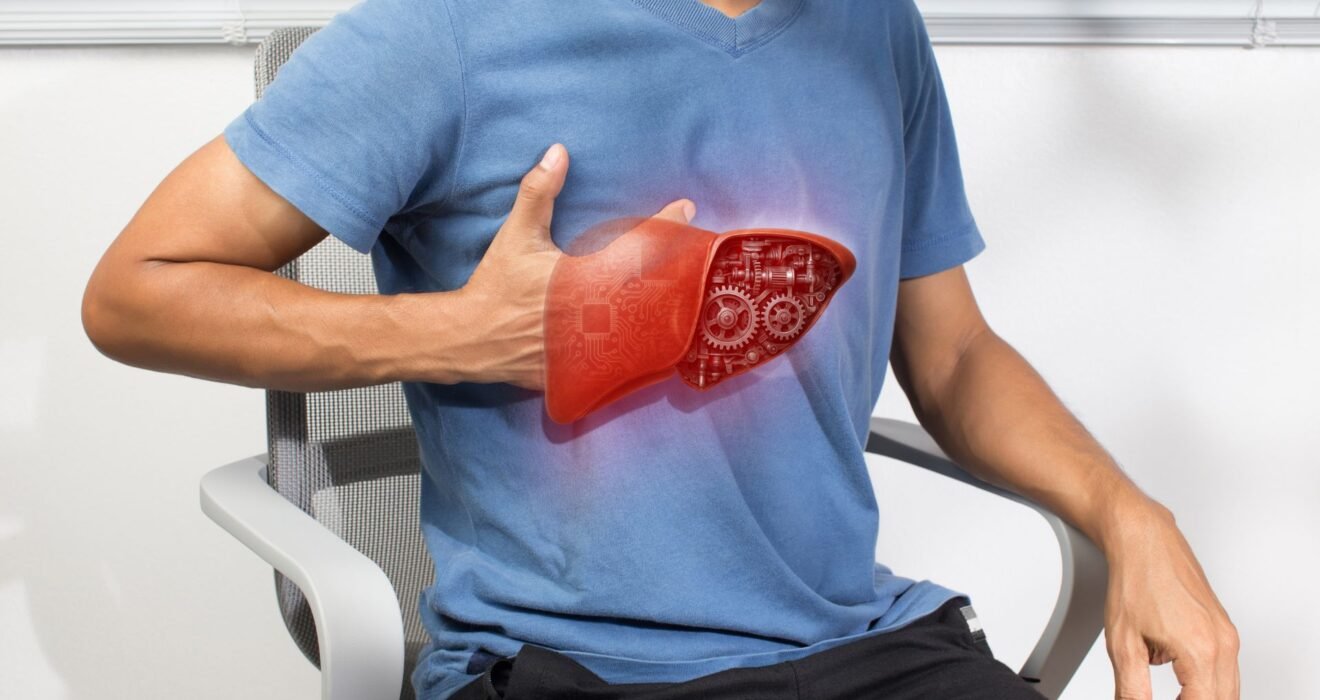
Fatty liver disease is becoming increasingly common among people with diabetes, obesity, high cholesterol and even individuals with normal body weight. In many cases, fatty liver develops silently without causing noticeable symptoms. However, when fat accumulation is accompanied by ongoing inflammation and liver damage, the condition may gradually progress to fibrosis, cirrhosis and, in some cases, liver cancer.
One of the common concerns among patients diagnosed with fatty liver is whether it can eventually lead to cancer. The answer is yes, fatty liver disease can increase the risk of liver cancer in certain patients, particularly when advanced fibrosis or cirrhosis develops. However, not everyone with fatty liver will develop liver cancer.
Understanding the stages of fatty liver, its risk factors, warning signs and available monitoring options can help patients take appropriate steps towards protecting their liver health. If you have been diagnosed with fatty liver, consulting a gastroenterologist or liver specialist can help determine the severity of the condition and the right management plan.
What Is Fatty Liver Disease?
Fatty liver disease occurs when excessive fat accumulates inside liver cells. The condition is often associated with metabolic problems such as insulin resistance, type 2 diabetes, abdominal obesity, high triglycerides and high cholesterol.
The newer medical terminology includes Metabolic Dysfunction-Associated Steatotic Liver Disease (MASLD), previously commonly known as non-alcoholic fatty liver disease (NAFLD).
In its early stages, fatty liver may not cause any symptoms or significant damage. Many people discover the condition during a routine abdominal ultrasound or blood test. However, in some individuals, the fat accumulation can trigger inflammation and progressive damage to liver tissue.
The liver plays an important role in digestion, metabolism, storing nutrients, processing medicines and removing waste products from the body. When chronic liver injury continues over several years, normal liver tissue can gradually be replaced by scar tissue.
This progression is the reason fatty liver should not always be ignored, even if the patient feels completely healthy.
Can Fatty Liver Turn Into Liver Cancer?
Yes, fatty liver disease can eventually contribute to the development of liver cancer, particularly in patients who develop advanced liver fibrosis or cirrhosis.
However, the progression does not happen in everyone. Many people with simple fatty liver never develop severe liver damage. The risk becomes more concerning when the condition progresses to inflammation and extensive scarring.
The most common primary liver cancer is hepatocellular carcinoma (HCC), which develops from the main liver cells known as hepatocytes.
In some patients, long-term metabolic fatty liver disease can progress through different stages of liver injury. As liver cells repeatedly become damaged and regenerate, changes in cellular function may increase the likelihood of abnormal cell growth.
Patients with advanced fibrosis or cirrhosis are at a higher risk of developing hepatocellular carcinoma and may require regular surveillance according to their clinical condition.
The important message is that fatty liver is not the same as liver cancer, but advanced fatty liver disease can increase the risk of developing liver cancer.
Understanding the Stages of Fatty Liver Progression
Fatty liver does not become cancer overnight. In some patients, the condition may progress gradually through different stages, although not everyone follows the same progression.
Understanding MASLD: A Closer Look at Fatty Liver Disease – June 2025 | Howden UAE
Stage 1: Simple Fatty Liver
The first stage involves fat accumulation within liver cells without significant inflammation or liver tissue damage.
Patients generally do not experience specific symptoms. Fatty liver may be detected during an ultrasound performed for abdominal discomfort or other medical reasons.
At this stage, lifestyle modifications, metabolic risk management and appropriate medical follow-up can help reduce liver fat and lower the risk of progression.
Stage 2: Steatohepatitis
Some patients develop inflammation along with fat accumulation. This condition is known as metabolic dysfunction-associated steatohepatitis (MASH), previously called NASH.
Inflammation may damage liver cells and trigger a healing process that gradually produces scar tissue.
Patients with MASH may still have no obvious symptoms, which is why appropriate investigation is important when risk factors or abnormal reports are present.
Stage 3: Liver Fibrosis
When repeated liver injury continues, the liver begins forming scar tissue.
This process is known as fibrosis. Fibrosis can develop gradually and may not produce noticeable symptoms during its early stages.
The severity of fibrosis is important because patients with significant scarring have a higher risk of developing complications, including cirrhosis and liver cancer.
Stage 4: Liver Cirrhosis
Cirrhosis is an advanced stage of liver scarring in which the normal structure of the liver becomes significantly altered.
The liver may struggle to perform essential functions. Patients can develop fluid accumulation in the abdomen, jaundice, bleeding complications, confusion and other serious problems.
Cirrhosis also increases the risk of hepatocellular carcinoma, making appropriate medical follow-up and cancer surveillance important.
Not every patient with fatty liver progresses through all these stages. Progression depends on multiple factors, including metabolic health, genetics, associated medical conditions and ongoing liver injury.
Who Is at a Higher Risk of Developing Liver Cancer?
Although fatty liver can affect a wide range of people, some individuals have a greater likelihood of developing advanced liver disease.
People With Diabetes
Type 2 diabetes is closely associated with metabolic fatty liver disease. Insulin resistance can contribute to fat accumulation in the liver and increase the risk of inflammation and fibrosis.
Patients with diabetes and fatty liver may benefit from assessment of their liver fibrosis risk, even if their liver enzymes are within normal limits.
People With Abdominal Obesity
Excess abdominal fat is associated with metabolic dysfunction and insulin resistance. It can contribute to fatty liver and increase the possibility of progressive liver injury in susceptible individuals.
A person may have a normal overall body weight but still have significant abdominal fat and metabolic risk factors.
Patients With High Triglycerides
Elevated triglycerides and abnormal cholesterol levels are frequently associated with fatty liver.
Managing lipid abnormalities, improving diet and increasing physical activity can help improve overall metabolic health.
People With Advanced Liver Fibrosis
Patients who have significant fibrosis or cirrhosis are at a higher risk of developing liver cancer than individuals with simple fatty liver.
These patients may require regular monitoring and liver cancer surveillance based on their disease stage and individual risk.
People With Multiple Metabolic Conditions
The combination of diabetes, high blood pressure, obesity, high cholesterol and fatty liver may indicate an increased metabolic risk.
Managing these conditions together is an important part of long-term liver care.
Can Fatty Liver Cause Liver Cancer Without Cirrhosis?
Yes. Although cirrhosis is a major risk factor for liver cancer, hepatocellular carcinoma can occasionally develop in patients who do not have established cirrhosis.
This means fatty liver should not always be considered harmless simply because an ultrasound shows mild fat accumulation or the patient has no symptoms.
The overall risk is still substantially influenced by the stage of liver disease. Patients with advanced fibrosis or cirrhosis generally require more attention because their risk of liver cancer is higher.
Medical research has identified an association between metabolic fatty liver disease and hepatocellular carcinoma. A systematic review and meta-analysis published in the European Journal of Cancer found that liver cancer incidence was substantially higher among patients with fatty liver disease who had advanced fibrosis or cirrhosis compared with the broader fatty liver population. PubMed+1
Therefore, patients should focus not only on detecting liver fat but also on understanding whether the liver has developed inflammation or fibrosis.
Warning Signs of Liver Cancer You Should Not Ignore
Early liver cancer may not cause obvious symptoms. Some patients are diagnosed during routine surveillance imaging, while others seek medical attention after developing new symptoms.
Вирусный гепатит: причины, симптомы и лечение в статье инфекциониста Александров П. А.
Liver Cancer: What patients should know about – New Insights in 2024
FDA Rejects Rivoceranib Plus Camrelizumab for Liver Cancer for the Second Time
7
Possible warning signs include:
Persistent Pain in the Upper Right Abdomen
Discomfort or pain in the upper right side of the abdomen may sometimes occur when the liver becomes enlarged or when a liver lesion affects surrounding structures.
Persistent or worsening pain requires medical assessment, particularly in someone with a history of chronic liver disease.
Unexplained Weight Loss
Unintentional weight loss without changes in diet or physical activity can be associated with various medical conditions, including advanced liver disease and cancer.
Reduced Appetite
Persistent appetite loss, feeling full quickly or a noticeable reduction in food intake may require investigation.
Abdominal Swelling
Fluid accumulation in the abdomen, also known as ascites, may occur in advanced liver disease. A rapidly increasing abdominal size should not be ignored.
Jaundice
Yellowing of the eyes or skin may indicate a liver or bile-related problem. It can occur in different liver conditions and requires prompt medical evaluation.
Persistent Fatigue
Ongoing weakness or tiredness may occur with chronic liver disease, although it is a nonspecific symptom and can have many other causes.
These symptoms do not necessarily indicate cancer. However, if they are persistent, unexplained or progressively worsening, consulting a gastroenterologist is important.
How Is Fatty Liver and Liver Cancer Risk Evaluated?
A proper medical evaluation helps determine whether fatty liver is mild or whether there is evidence of more significant liver damage.
Liver Function Tests
Blood tests may include ALT, AST, bilirubin, alkaline phosphatase and other parameters.
These tests help evaluate liver function and possible liver injury. However, normal liver enzyme results do not always mean that fibrosis or significant liver disease is absent.
Abdominal Ultrasound
Ultrasound is commonly used to identify fat accumulation in the liver, examine its size and structure, and detect certain abnormalities.
It may also help evaluate the gallbladder, bile ducts and other abdominal organs.
FibroScan
FibroScan is a non-invasive test used to assess liver stiffness and estimate liver fat using specific measurements.
It can help doctors evaluate fibrosis risk in patients with fatty liver and decide whether further investigation or follow-up is needed.
Fibrosis Assessment
Doctors may use blood-based scores such as FIB-4 along with imaging and clinical information to assess the likelihood of advanced fibrosis.
Patients with concerning findings may require additional investigations.
CT Scan or MRI
CT or MRI may be recommended when an abnormality is detected on ultrasound or when more detailed imaging is needed.
These scans help doctors examine the liver, identify suspicious lesions and evaluate their characteristics.
Liver Biopsy
In selected cases, a liver biopsy may be recommended when other investigations are insufficient or when a specific diagnosis is required.
It involves obtaining a small sample of liver tissue for examination under a microscope.
Not every patient with fatty liver requires a biopsy.
Can Fatty Liver Be Reversed Before It Causes Serious Damage?
In many patients, fatty liver can improve significantly, particularly when it is identified during the early stages.
The liver has a remarkable ability to recover when the underlying cause of injury is addressed. Reducing excess liver fat and managing metabolic conditions can help improve liver health and may reduce inflammation.
However, the ability of the liver to recover depends on the severity of the damage. Simple fatty liver may improve considerably, whereas advanced fibrosis or cirrhosis requires more intensive medical management. Established cirrhosis may not completely reverse in every patient.
1. Gradual Weight Reduction
For patients who are overweight, gradual and sustainable weight loss can help reduce liver fat and improve metabolic health.
Crash dieting and rapid weight-loss methods should be avoided unless medically supervised.
2. Healthy Dietary Habits
A balanced diet containing vegetables, fruits, whole grains, pulses, nuts and suitable protein sources can support liver health.
Reducing sugary drinks, excess sweets, processed foods and frequent high-calorie meals may help improve metabolic conditions.
3. Regular Physical Activity
Walking, cycling, swimming and other forms of exercise can help improve insulin sensitivity and reduce metabolic risk.
Regular activity can benefit liver health even when significant weight loss does not occur.
4. Diabetes and Cholesterol Management
Patients with diabetes, high cholesterol or high blood pressure should follow an appropriate treatment plan.
Controlling these conditions may help reduce the risk of further liver injury.
5. Avoiding Alcohol and Unverified Supplements
Alcohol may worsen liver injury in susceptible individuals. Patients with fatty liver or abnormal liver tests should discuss alcohol intake with their doctor.
Unverified herbal products, liver detox drinks and supplements can sometimes cause liver injury rather than improve liver health.
Why Regular Liver Monitoring Is Important
Fatty liver often develops silently. Patients may feel normal even when the condition is progressing.
Regular monitoring is particularly important for people with diabetes, metabolic syndrome, a history of fatty liver, persistently abnormal liver enzymes or previously detected fibrosis.
A doctor may recommend repeat blood tests, ultrasound or FibroScan based on the patient’s risk factors and previous findings.
Patients with cirrhosis or certain other high-risk liver conditions may require regular liver cancer surveillance, often involving ultrasound at approximately six-month intervals, with or without additional testing according to specialist recommendations.
Surveillance is not routinely required for every individual with simple fatty liver. The need depends on the underlying disease stage and risk profile.
When Should You Consult a Liver Specialist in Mohali?
You should consider consulting a gastroenterologist or liver specialist if:
- Your ultrasound report repeatedly shows fatty liver.
- Your ALT or AST levels remain elevated.
- You have diabetes along with fatty liver.
- You have been diagnosed with liver fibrosis or cirrhosis.
- You experience persistent upper abdominal discomfort.
- You have unexplained weight loss or appetite changes.
- Your reports show abnormal liver structure or a suspicious liver lesion.
- You have a history of chronic hepatitis or other liver disease.
Seeking medical advice early can help identify the stage of liver disease and determine whether lifestyle management alone is sufficient or whether further evaluation is needed.
For patients searching for a Liver Specialist in Mohali, Gastroenterologist in Mohali or Liver Doctor near Chandigarh, proper evaluation should focus on identifying the cause of liver abnormalities and assessing fibrosis risk rather than simply treating ultrasound findings.
Liver Health and Long-Term Cancer Prevention
Preventing the progression of fatty liver disease is an important step towards reducing the risk of serious liver complications.
While there is no guaranteed method to prevent every case of liver cancer, maintaining a healthy weight, managing diabetes, avoiding excessive alcohol, treating underlying liver conditions and attending recommended follow-up appointments can help protect liver health.
Patients with advanced liver disease should not wait for symptoms to develop before undergoing recommended monitoring. Regular follow-up allows doctors to identify changes earlier and take appropriate action.
Understanding your liver condition today can help you make informed decisions about your health for the future.