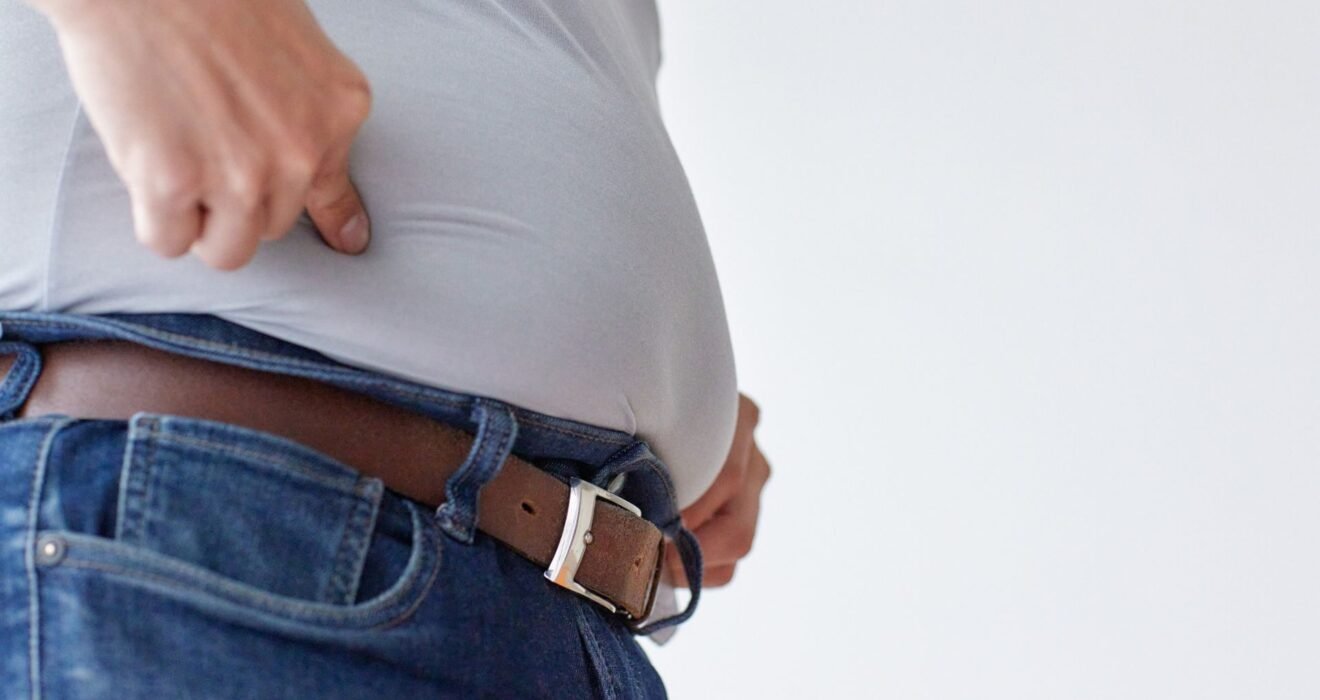
Is Your Belly Fat Affecting Your Liver? What Patients Should Know
Belly fat is often considered a cosmetic concern, but excess fat around the waist can also be an important marker of metabolic health. Abdominal obesity is associated with insulin resistance, type 2 diabetes, abnormal cholesterol and triglycerides, high blood pressure, and fatty liver disease. In particular, excess body fat can increase the risk of metabolic dysfunction-associated steatotic liver disease (MASLD), the newer medical term for what was previously commonly called non-alcoholic fatty liver disease (NAFLD).
The important point is that fatty liver can develop without obvious symptoms. A person may feel completely healthy while fat is gradually accumulating in the liver. Understanding the connection between belly fat and liver health can help you recognize risks earlier and seek appropriate medical evaluation.
What Is Belly Fat and Why Does It Matter?
Belly fat refers to excess fat stored around the abdomen. Some of this fat lies beneath the skin, while visceral fat is stored deeper around internal organs.
A larger waist circumference can be one of the signs of metabolic dysfunction. When abdominal obesity occurs together with problems such as high blood sugar, high triglycerides, low HDL cholesterol or high blood pressure, the risk of metabolic syndrome increases. These same metabolic factors are closely associated with fatty liver disease.
This means that your waistline can provide more information about your health than appearance alone.
How Can Belly Fat Affect the Liver?
The relationship between abdominal fat and the liver is closely connected to metabolism.
When the body develops insulin resistance, it becomes less effective at controlling blood glucose and handling fats. Increased delivery of fatty acids to the liver can contribute to the accumulation of liver fat. Over time, metabolic dysfunction may contribute to inflammation and liver injury in some people.
This is why people with obesity, type 2 diabetes, insulin resistance, abnormal blood lipids or metabolic syndrome are more likely to develop MASLD.
However, having belly fat does not automatically mean that you have fatty liver. Conversely, a person who does not appear significantly overweight can still develop MASLD.
Fatty Liver May Have Few or No Symptoms
One of the biggest challenges with fatty liver is that it can remain silent.
Many people with MASLD have no noticeable symptoms. Others may experience tiredness or vague discomfort in the upper-right side of the abdomen. Because symptoms can be minimal or absent, fatty liver is sometimes discovered during routine blood tests or an abdominal ultrasound performed for another reason.
Therefore, waiting for liver pain or other obvious symptoms is not always a good way to assess liver health.
Can You Have Fatty Liver With Normal Liver Tests?
Yes.
Normal liver enzymes do not completely rule out MASLD or significant liver disease. Some people with fatty liver may have normal or only mildly abnormal ALT and AST levels. AASLD educational guidance specifically notes that normal aminotransferase levels do not exclude MASLD.
This is why doctors may consider your weight, waist circumference, blood sugar, cholesterol, triglycerides, medical history and imaging findings together rather than relying on one blood test.
What Tests Can Check Your Liver?
If your doctor suspects fatty liver, evaluation may include:
- Medical and family history
- Physical examination
- Blood tests for liver enzymes and metabolic health
- Blood glucose or HbA1c
- Cholesterol and triglyceride testing
- Abdominal ultrasound or other imaging
- Non-invasive assessment of liver fibrosis when appropriate
- Additional testing to rule out other causes of liver disease
Doctors use medical history, physical examination, blood tests and imaging to diagnose fatty liver and assess whether there may be inflammation or liver damage.
Not everyone with fatty liver needs a liver biopsy. Modern evaluation often begins with non-invasive assessment and determines whether additional testing is necessary.
Is Belly Fat Reversible?
The good news is that improving metabolic health can also improve liver health.
For people who are overweight or have obesity and fatty liver disease, gradual weight loss can reduce liver fat. NIDDK notes that losing at least 3% to 5% of body weight may reduce liver fat, while greater weight loss may be needed to improve liver inflammation and fibrosis. Physical activity can also benefit liver health even when substantial weight loss does not occur.
The goal should not be crash dieting. Rapid weight loss and inadequate nutrition can be harmful. A sustainable approach involving appropriate nutrition, physical activity and medical guidance is generally more useful for long-term liver health.
What Lifestyle Changes Can Help?
If belly fat and metabolic risk factors are affecting your liver, your doctor may recommend several lifestyle changes.
1. Improve Your Diet
Focus on balanced meals containing vegetables, fruits, whole grains, legumes, appropriate protein sources and healthier unsaturated fats.
Reducing excessive intake of sugary drinks, refined carbohydrates, highly processed foods and calorie-dense foods can be helpful. Portion control is also important.
2. Become More Physically Active
Regular physical activity can improve insulin sensitivity and metabolic health and may reduce liver fat.
Walking, cycling, swimming, aerobic exercise and resistance training can all be incorporated according to your fitness level and medical condition.
3. Manage Diabetes and Cholesterol
If you have diabetes, prediabetes, high triglycerides, abnormal cholesterol or high blood pressure, managing these conditions is an important part of protecting your liver.
MASLD is not simply a liver problem—it is closely connected with overall metabolic health.
4. Avoid Unsupervised Supplements
“Liver detox” products and herbal supplements are not automatically safe. Some supplements can actually cause liver injury. Speak with a doctor before taking supplements specifically for fatty liver.
When Should You See a Gastroenterologist?
Consider discussing your liver health with a gastroenterologist if you have:
- Persistent or increasing belly fat
- Fatty liver detected on ultrasound
- Abnormal liver enzymes
- Type 2 diabetes or prediabetes
- High triglycerides or cholesterol
- Obesity or metabolic syndrome
- Persistent fatigue or upper-right abdominal discomfort
- A family history of significant liver disease
- Concerns about progression of fatty liver
Early evaluation can help determine whether there is simply liver fat or whether there are additional signs of inflammation or fibrosis that require closer monitoring.
What Patients Should Remember
Belly fat is not only about appearance. It can be a visible sign of underlying metabolic changes that may increase the risk of fatty liver and other health problems. At the same time, having a larger waist does not mean that liver disease is definitely present.
The right approach is to look at the complete picture—waist size, weight, blood sugar, cholesterol, triglycerides, lifestyle, liver tests and appropriate imaging.
For people diagnosed with MASLD, lifestyle improvement and appropriate medical management can make a meaningful difference. Weight reduction, healthier eating and regular physical activity can reduce liver fat, while patients with evidence of inflammation or fibrosis may require more structured medical follow-up.
Consult a Gastrointestinal and Liver Specialist
If you have belly fat along with fatty liver, abnormal liver tests, diabetes, high cholesterol or persistent digestive symptoms, a specialist evaluation can help determine what is happening and whether further liver assessment is needed.
Dr. Amandeep Singh Sandhu is a gastrointestinal and laparoscopic surgeon providing specialist care for digestive and gastrointestinal conditions, with consultation services in Mohali and the surrounding Chandigarh–Tricity region. His areas of practice include liver surgery, gallbladder and biliary surgery, gastric surgery, pancreatic surgery, colorectal surgery and other gastrointestinal procedures.