Gallbladder Infection: Symptoms That Need Immediate Medical Attention
Gallbladder problems can begin with what seems like ordinary indigestion or stomach pain, but some symptoms can indicate acute cholecystitis, a potentially serious inflammation of the gallbladder. In many cases, acute cholecystitis develops when a gallstone blocks the cystic duct, causing bile to build up and the gallbladder to become inflamed. Bacterial infection can also develop in an inflamed gallbladder.
Recognizing the warning signs of a gallbladder infection is important because delaying medical assessment can increase the risk of complications. Patients experiencing persistent or severe upper abdominal pain, fever, vomiting or jaundice should seek prompt medical attention.
What Is a Gallbladder Infection?
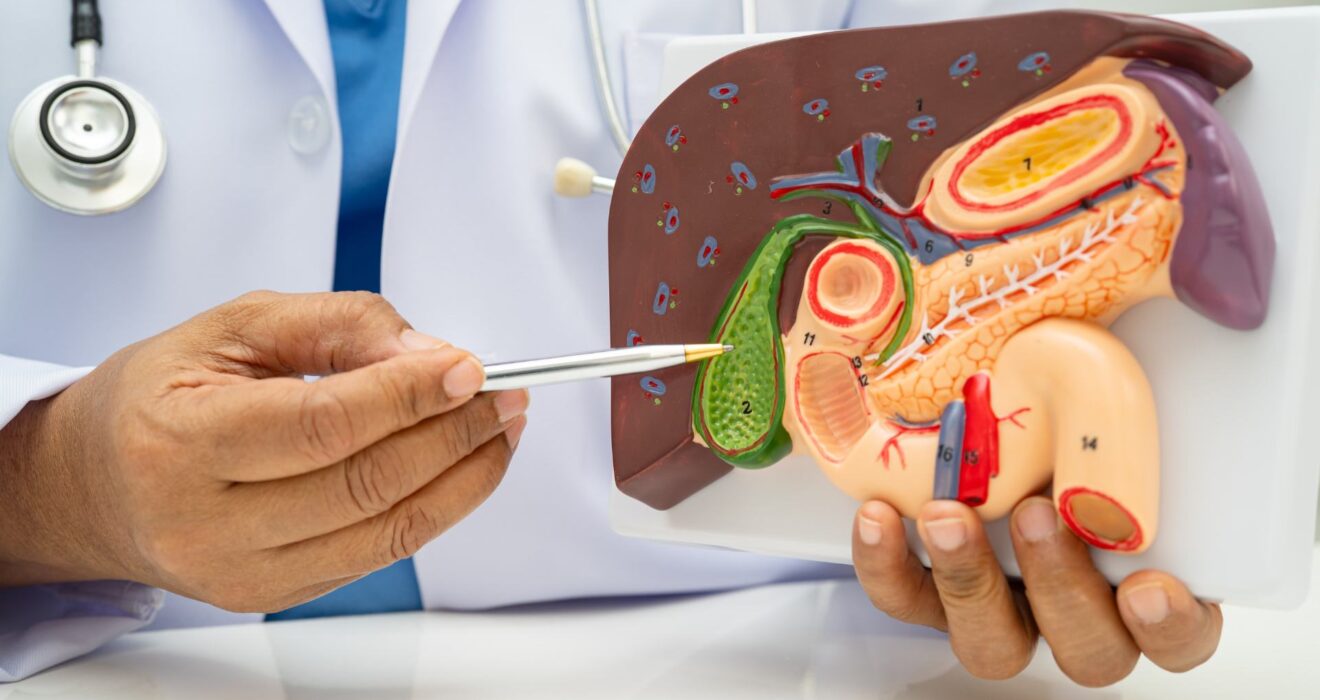
The gallbladder is a small organ located beneath the liver. It stores and concentrates bile, which helps the body digest fats.
A gallbladder infection is often associated with acute cholecystitis, meaning inflammation of the gallbladder. The most common cause is a gallstone becoming lodged in the cystic duct. This blockage prevents normal drainage of bile and can lead to inflammation and, in some cases, infection.
Although gallstones are common and many people have them without symptoms, a blocked bile duct can cause complications involving the gallbladder, liver or pancreas.
What Causes Gallbladder Infection?
Gallstones
Gallstones are the most common cause of acute cholecystitis. When a stone blocks the cystic duct, bile becomes trapped inside the gallbladder. The resulting pressure and inflammation can cause significant abdominal pain.
Most people with silent gallstones do not require treatment simply because stones are present. However, symptoms or complications change the situation and require medical evaluation.
Bacterial Infection
When bile drainage is blocked and the gallbladder becomes inflamed, bacteria can sometimes contribute to an infection. This is one reason suspected acute cholecystitis is generally assessed promptly rather than treated as ordinary indigestion.
Acalculous Cholecystitis
Gallbladder inflammation can occasionally occur without gallstones. This is known as acalculous cholecystitis and tends to occur in people who are seriously ill or have experienced conditions such as major injury, severe infection, burns, dehydration or prolonged critical illness.
Gallbladder Infection Symptoms You Should Not Ignore
Recognizing the symptoms can help patients understand when abdominal pain requires medical attention.
1. Persistent Pain in the Upper Right Abdomen
One of the classic symptoms of acute cholecystitis is sudden, sharp or persistent pain in the upper-right side of the abdomen.
The pain may sometimes spread toward the right shoulder. Unlike a short episode of indigestion, the pain associated with acute cholecystitis can remain persistent and may become worse with deep breathing or movement.
Persistent abdominal pain lasting several hours, particularly when accompanied by other symptoms, should be medically assessed.
2. Fever and Chills
A fever can indicate inflammation or infection.
If abdominal pain occurs together with fever, chills, sweating or feeling unusually unwell, it should not simply be attributed to gas or acidity. These symptoms can accompany gallbladder inflammation and require prompt medical evaluation.
3. Nausea and Vomiting
Gallbladder inflammation can cause nausea and vomiting.
Occasional nausea after a heavy meal does not necessarily mean there is a gallbladder infection. However, repeated vomiting together with persistent upper abdominal pain, fever or jaundice is more concerning and should be assessed by a healthcare professional.
4. Jaundice
Yellowing of the skin or whites of the eyes, known as jaundice, can indicate that bile flow is being obstructed.
Jaundice may suggest that a stone has moved into or is obstructing a larger bile duct rather than remaining limited to the gallbladder. It can also occur with other liver, bile-duct and pancreatic conditions.
Because bile-duct obstruction can become serious, jaundice associated with abdominal pain or fever requires prompt medical attention.
5. Dark Urine and Pale Stools
Changes in urine and stool color can also occur when bile flow is obstructed. Tea-colored urine and unusually light-colored stools, particularly when accompanied by abdominal pain or jaundice, should be evaluated promptly.
Gallbladder Pain vs Acidity: How Are They Different?
Upper abdominal discomfort is often blamed on acidity or gas, but several different conditions can produce similar symptoms.
Gallbladder-related pain is commonly felt in the upper-right abdomen and can sometimes radiate toward the back or right shoulder. Acute cholecystitis tends to cause persistent pain rather than a brief episode that quickly disappears.
However, symptoms alone cannot reliably diagnose gallbladder disease.
Conditions such as pancreatitis, ulcers, reflux, liver disease and other abdominal problems can produce overlapping symptoms. This is why persistent or severe abdominal pain should be assessed rather than self-diagnosed.
When Should You Seek Immediate Medical Attention?
Seek urgent medical assessment if you experience:
- Severe or persistent abdominal pain
- Pain lasting several hours
- Fever or chills with abdominal pain
- Repeated vomiting
- Yellowing of the eyes or skin
- Dark urine or pale stools
- Severe tenderness in the upper-right abdomen
- Increasing weakness or feeling seriously unwell
The National Institute of Diabetes and Digestive and Kidney Diseases advises people to seek medical care right away when gallbladder-attack symptoms include abdominal pain lasting several hours, nausea or vomiting, fever or chills, jaundice, dark urine or light-colored stools.
If the pain is severe, symptoms are rapidly worsening, or you feel seriously ill, emergency medical evaluation is appropriate.
How Is Gallbladder Infection Diagnosed?
Doctors usually combine the patient’s symptoms and physical examination with blood tests and imaging.
Blood Tests
Blood tests can help identify signs of inflammation or infection and may also provide information about the liver, bile ducts and pancreas.
Abdominal Ultrasound
An abdominal ultrasound is commonly used to look for gallstones and other signs of gallbladder inflammation. It can help doctors assess the gallbladder wall, stones and surrounding structures.
Additional imaging or investigations may be recommended depending on the symptoms and initial findings.
Treatment for Gallbladder Infection
Treatment depends on the severity of the condition and the patient’s overall health.
Acute cholecystitis may require hospital-based treatment. Initial management can include fluids, pain control, temporary fasting and antibiotics when an infection is suspected.
For many suitable patients, surgical removal of the gallbladder, known as cholecystectomy, is recommended to treat the underlying gallbladder problem and reduce the risk of recurrence or complications.
Laparoscopic Gallbladder Surgery
Laparoscopic cholecystectomy is a minimally invasive procedure in which the gallbladder is removed through several small abdominal incisions using specialized surgical instruments.
For patients who are appropriate candidates, laparoscopic surgery can offer the advantages associated with smaller incisions compared with traditional open surgery. However, the surgical approach depends on the patient’s condition, inflammation, anatomy, previous surgery and other factors.
In some cases, an operation may need to be converted from laparoscopic to open surgery for safety.
Can Gallbladder Infection Become Dangerous?
Yes. Untreated acute cholecystitis can lead to serious complications.
Inflammation can cause damage and death of gallbladder tissue, known as gangrenous cholecystitis. In severe cases, the gallbladder can perforate, allowing infection to spread into the abdominal cavity and potentially causing peritonitis or an abscess.
Gallstone-related blockage can also contribute to complications involving the bile ducts or pancreas, including pancreatitis.
This is why persistent gallbladder symptoms should not be ignored.
Does Every Gallstone Need Surgery?
No.
Many people have asymptomatic or silent gallstones that do not cause problems and may not require treatment.
The situation is different when gallstones cause repeated symptoms, inflammation, infection or complications. A surgeon can review the symptoms, ultrasound findings, blood tests and overall health before recommending treatment.
Therefore, finding gallstones on an ultrasound does not automatically mean that surgery is necessary.
Who Is at Higher Risk of Gallstones?
Gallstones can affect many different people. Risk can increase with factors such as overweight or obesity and certain patterns of dieting or rapid weight loss.
However, gallbladder disease can occur even in people who do not have obvious risk factors.
A healthy, balanced diet and maintaining a healthy weight can support overall gallbladder health. Rapid, extreme weight-loss diets should be avoided because rapid weight loss can increase the risk of gallstones.
When Should You See a Gastro or Gallbladder Surgeon?
You should consider specialist evaluation if you have:
- Recurrent gallbladder attacks
- Known gallstones with symptoms
- Persistent right-upper abdominal pain
- Repeated nausea or vomiting after meals
- Previous episodes of cholecystitis
- Abnormal gallbladder ultrasound findings
- Jaundice associated with suspected gallstone disease
- A recommendation for gallbladder surgery
A Gastro Surgeon, Gastrointestinal Surgeon or Laparoscopic Surgeon can evaluate whether your symptoms are related to gallstones or another digestive condition and discuss appropriate treatment options.
Dr. Amandeep Singh Sandhu – Gastrointestinal and Laparoscopic Surgeon
For patients looking for a Gallbladder Surgeon, Gastro Surgeon or Laparoscopic Surgeon in Punjab, Dr. Amandeep Singh Sandhu provides specialized gastrointestinal surgical care.
His listed services include gallbladder surgery, biliary surgery, laparoscopic surgery, gastric surgery, colorectal surgery, liver surgery, pancreatic surgery, esophageal surgery, small bowel surgery, GI bleeding surgery and bariatric surgery.
His specialist qualifications include MBBS, MS General Surgery, M.Ch. Surgical Gastroenterology and MRCS Edinburgh. His official profile describes his practice as focused on gastrointestinal and minimally invasive surgery.
Patients from Mohali, Chandigarh, Kharar, Zirakpur, New Chandigarh, Landran, Rajpura, Patiala, Fatehgarh Sahib, Sirhind, Bassi Pathana and other nearby Punjab areas can seek specialist evaluation when gallbladder disease may require surgical treatment.