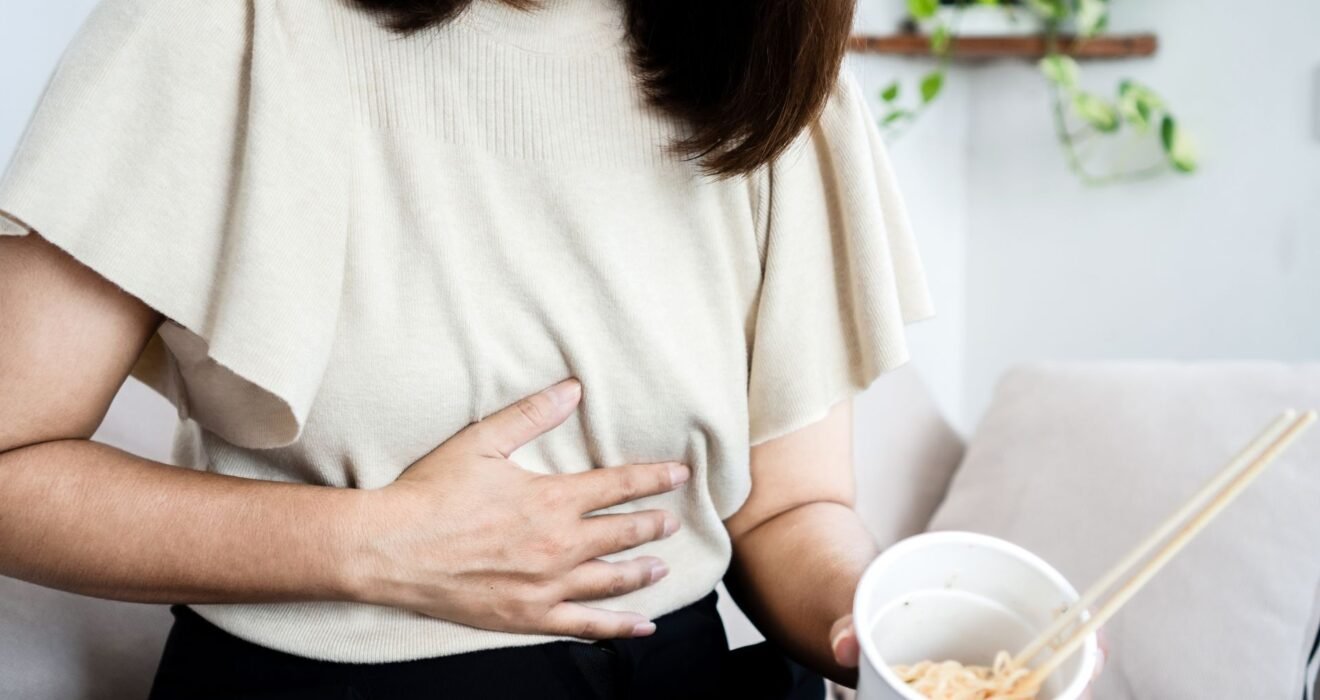
Stomach Pain After Eating – 10 Possible Causes You Should Know
Stomach pain after eating is a common digestive complaint, but it should not always be considered a normal reaction to food. Occasional discomfort may result from overeating, eating too quickly, or consuming foods that trigger indigestion. However, recurring or severe pain after meals can sometimes indicate an underlying digestive disorder requiring professional evaluation.
Stomach pain can occur in different areas, including the upper abdomen, lower abdomen, right side, or around the belly button. The timing, severity, location, and associated symptoms can provide important clues about its possible cause. Conditions such as acidity, gastritis, gallstones, ulcers, irritable bowel syndrome, and pancreatitis can all cause discomfort after eating.
If stomach pain repeatedly occurs after meals, consulting an experienced gastroenterologist or gastrointestinal surgeon can help identify the underlying problem and prevent complications.
1. Indigestion and Dyspepsia
Indigestion, medically known as dyspepsia, is one of the most common reasons for stomach discomfort after eating. It may cause upper abdominal pain, fullness, bloating, belching, or nausea.
Eating large meals, consuming fatty or spicy foods, eating too quickly, and drinking carbonated beverages can trigger indigestion. Stress and certain medications may also contribute to symptoms.
Occasional indigestion can often improve with healthier eating habits and smaller meals. However, frequent symptoms should be evaluated by a gastroenterologist.
2. Acid Reflux and GERD
Acid reflux occurs when stomach acid moves back into the esophagus. When reflux happens frequently, it may be diagnosed as Gastroesophageal Reflux Disease (GERD).
Typical symptoms include:
- Burning sensation in the chest or upper abdomen
- Sour taste in the mouth
- Belching
- Heartburn after meals
- Difficulty swallowing
- Regurgitation of food or acid
Symptoms may become worse after large meals or when lying down soon after eating. Persistent acid reflux should not be ignored because chronic GERD can damage the esophagus.
3. Gastritis
Gastritis refers to inflammation of the stomach lining. It can be caused by H. pylori infection, excessive alcohol consumption, certain medications, or other factors.
Patients may experience burning or aching pain in the upper abdomen, particularly after eating. Nausea, vomiting, bloating, and loss of appetite may also occur.
If gastritis becomes persistent, medical evaluation can help determine the underlying cause and appropriate treatment.
4. Stomach Ulcers
Peptic ulcers are open sores that develop in the lining of the stomach or upper intestine. H. pylori infection and prolonged use of certain pain-relieving medicines are common causes.
Ulcer-related pain may occur after meals and can be accompanied by:
- Burning stomach pain
- Nausea
- Bloating
- Indigestion
- Reduced appetite
Vomiting blood or passing black, tarry stools can indicate gastrointestinal bleeding and requires urgent medical attention.
5. Gallstones
Gallstones are hardened deposits that develop inside the gallbladder. Some people have gallstones without symptoms, while others develop significant pain after eating, particularly after fatty meals.
Gallbladder pain is usually felt in the upper right or upper middle abdomen and may spread toward the back or right shoulder. Nausea and vomiting can occur during an attack.
Recurrent symptomatic gallstones may require laparoscopic gallbladder removal surgery. Timely treatment can help prevent complications such as gallbladder inflammation, bile duct obstruction, or pancreatitis.
6. Irritable Bowel Syndrome
Irritable Bowel Syndrome (IBS) is a common digestive disorder that can cause abdominal pain, bloating, constipation, diarrhea, or alternating bowel habits.
Certain foods may trigger symptoms, including fatty foods, spicy meals, dairy products, or foods that are difficult for an individual to digest. Stress can also influence IBS symptoms through the gut-brain connection.
Treatment generally focuses on identifying triggers, improving diet, managing stress, exercising regularly, and following medical advice.
7. Food Intolerance
Food intolerance occurs when the digestive system has difficulty processing a particular food or ingredient. Lactose intolerance is one common example.
Symptoms may develop after eating specific foods and include:
- Abdominal cramps
- Gas
- Bloating
- Diarrhea
- Nausea
Keeping a food diary can sometimes help identify triggers. A healthcare professional can help determine whether symptoms are related to intolerance, allergy, or another digestive condition.
8. Pancreatitis
The pancreas plays an important role in digestion and blood sugar regulation. Pancreatitis, or inflammation of the pancreas, can cause severe upper abdominal pain that may become worse after eating.
Pain may spread to the back and can be associated with nausea, vomiting, fever, and abdominal tenderness.
Gallstones and excessive alcohol consumption are among the common causes of pancreatitis. Severe or sudden abdominal pain requires immediate medical evaluation because acute pancreatitis can become a serious condition.
9. Constipation and Gas
Constipation can cause abdominal pressure, cramps, bloating, and discomfort that may become noticeable after eating. Gas accumulation can also create sharp or cramping sensations.
A low-fiber diet, inadequate fluid intake, lack of physical activity, and certain medications can contribute to constipation.
Increasing dietary fiber gradually, drinking sufficient water, exercising regularly, and maintaining a consistent bowel routine may help. Persistent constipation, especially when accompanied by blood in stool or unexplained weight loss, should be assessed by a specialist.
10. Inflammatory or Other Gastrointestinal Conditions
Several other digestive conditions can cause pain after eating, including inflammatory bowel disease, diverticular disease, intestinal obstruction, and certain colorectal or stomach disorders.
Symptoms that occur repeatedly or progressively should be evaluated rather than treated only with over-the-counter medicines. A gastroenterologist may recommend blood tests, ultrasound, endoscopy, colonoscopy, CT scans, or other investigations depending on the symptoms.
Where Does Your Stomach Pain Occur?
The location of pain can provide useful information, although it cannot establish a diagnosis by itself.
Upper abdominal pain may be associated with acidity, gastritis, ulcers, gallbladder disease, or pancreatic problems.
Right upper abdominal pain may suggest gallbladder or liver-related conditions.
Lower abdominal pain can occur with constipation, IBS, inflammatory bowel conditions, or other intestinal problems.
Pain around the belly button may have several causes, ranging from indigestion to intestinal conditions.
A detailed medical evaluation is important when pain is recurrent or severe.
When Should You See a Gastroenterologist?
Occasional mild discomfort may not be serious, but medical consultation is recommended if stomach pain repeatedly occurs after meals or interferes with everyday life.
Seek professional evaluation if you experience:
- Persistent or severe abdominal pain
- Repeated vomiting
- Blood in stool
- Black stools
- Unexplained weight loss
- Difficulty swallowing
- Persistent acidity
- Yellowing of the eyes or skin
- Fever with abdominal pain
- Loss of appetite
- Changes in bowel habits
Sudden severe abdominal pain, especially when associated with vomiting, fever, jaundice, fainting, or significant bleeding, requires urgent medical attention.
How Can You Reduce Stomach Pain After Eating?
Healthy lifestyle habits can support better digestion. Try eating smaller meals, chewing food slowly, avoiding foods that consistently trigger symptoms, staying hydrated, maintaining a healthy weight, exercising regularly, and avoiding lying down immediately after meals.
Limiting excessive alcohol, smoking, highly processed foods, and unnecessary use of pain-relieving medicines can also support digestive health.
However, lifestyle changes should not replace medical evaluation when symptoms are persistent.
Advanced Gastrointestinal Care by Dr. Amandeep Singh Sandhu
If you are experiencing recurrent stomach pain after eating, consulting an experienced digestive specialist can help identify the actual cause. Dr. Amandeep Singh Sandhu provides comprehensive care for stomach, liver, gallbladder, pancreatic, intestinal, and colorectal conditions.
His areas of expertise include Gastroenterology, Gastrointestinal Surgery, Laparoscopic Surgery, Gallbladder Surgery, Hernia Surgery, Liver Surgery, Pancreatic Surgery, Gastric Surgery, Esophageal Surgery, Colorectal Surgery, Bariatric Surgery, GI Bleeding Surgery, and advanced treatment for piles, fissure, and fistula.
Patients from Mohali, Chandigarh, Kharar, Zirakpur, Landran, New Chandigarh, Kurali, Rupnagar, Panchkula, Patiala, Amritsar, and nearby areas can seek specialized digestive and gastrointestinal care.
Conclusion
Stomach pain after eating can have many causes, ranging from simple indigestion and gas to conditions such as GERD, gastritis, ulcers, gallstones, IBS, pancreatitis, and other gastrointestinal disorders. The key is to pay attention to recurring symptoms, their location, timing, severity, and associated warning signs.
If your stomach pain is persistent, severe, or accompanied by symptoms such as vomiting, bleeding, jaundice, fever, or unexplained weight loss, professional evaluation is important. Early diagnosis can help identify the underlying cause and allow appropriate treatment before complications develop.
If you are looking for a Gastroenterologist in Mohali, Stomach Specialist in Chandigarh, Gastro Surgeon in Punjab, or Best Laparoscopic Surgeon in Mohali, Dr. Amandeep Singh Sandhu provides advanced, patient-focused gastrointestinal care.
Visit https://dramandeep.com/ to learn more about digestive disease treatment, laparoscopic surgery, gallbladder care, liver treatment, and gastrointestinal services.