Best Gallbladder Surgeon in Chandigarh and Mohali – Treatment Options Explained
Gallbladder problems are common, but the symptoms can sometimes be confusing. A person may experience pain after eating, nausea, vomiting, indigestion or discomfort in the upper abdomen and assume it is simply acidity or gas. In some cases, however, these symptoms may be related to gallstones or other gallbladder conditions.
Gallstones are hard deposits that develop inside the gallbladder and may remain completely silent. When a stone blocks a bile duct, it can cause a painful gallbladder attack and, in some situations, complications such as inflammation of the gallbladder, bile duct problems or gallstone-related pancreatitis.
For patients looking for a gallbladder surgeon in Chandigarh or Mohali, understanding the diagnosis and available treatment options can make it easier to have an informed discussion with a qualified gastro surgeon.
What Does the Gallbladder Do?
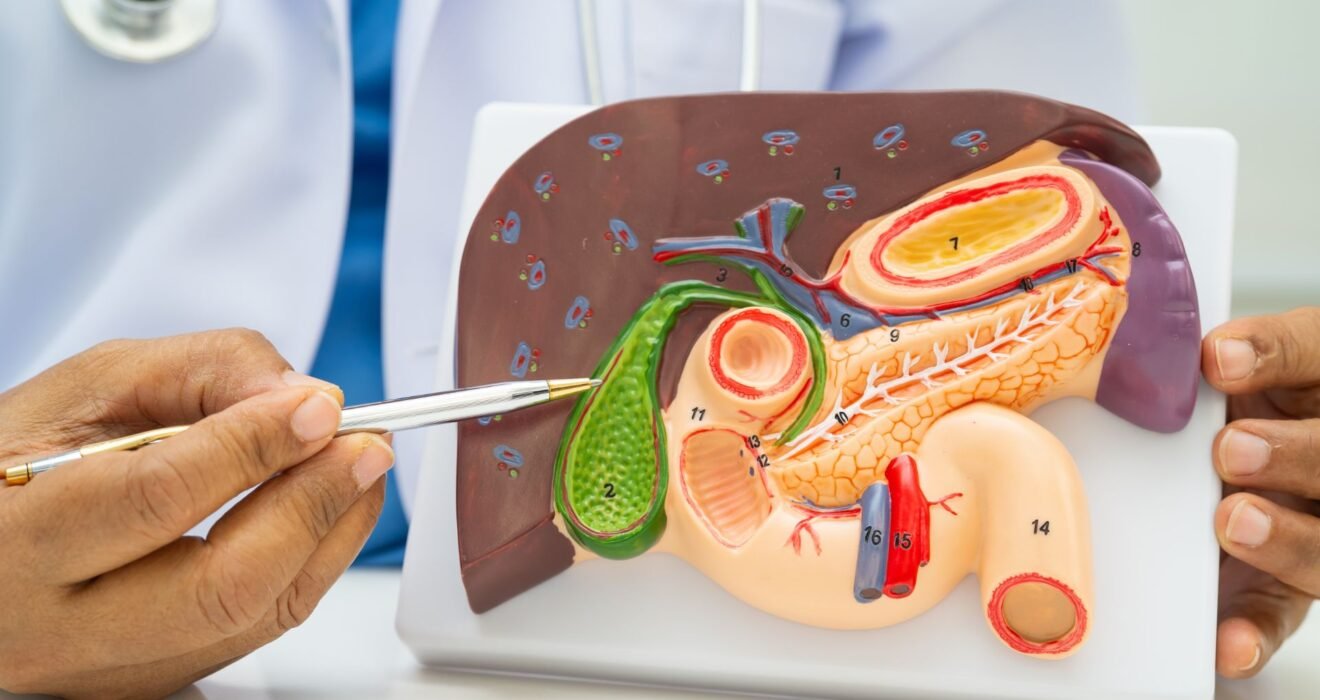
The gallbladder is a small, pear-shaped organ located beneath the liver. Its primary role is to store and concentrate bile produced by the liver. When you eat, bile is released through the bile ducts into the small intestine, where it helps with digestion, particularly the digestion of fats.
Although the gallbladder has an important role in storing bile, it is not an essential organ. People can generally live normally after the gallbladder has been surgically removed because bile continues to flow from the liver into the intestine.
What Are Gallstones?
Gallstones, medically known as cholelithiasis, are solid particles that form inside the gallbladder. They may be made primarily from cholesterol or bilirubin and can vary considerably in size and number.
Some people have one large stone, while others may have multiple small stones. Importantly, not everyone with gallstones develops symptoms.
When gallstones do not cause symptoms, treatment may not always be necessary. However, symptomatic gallstones require medical evaluation because attacks can recur and complications can develop.
Common Symptoms of Gallbladder Problems
Gallbladder symptoms can vary from person to person. A classic gallbladder attack may cause pain in the upper-right or upper-middle part of the abdomen.
Common symptoms may include:
- Pain in the upper-right abdomen
- Abdominal pain after meals
- Pain that may radiate toward the back or shoulder
- Nausea
- Vomiting
- Bloating or digestive discomfort
- Indigestion
- Feeling unusually full after eating
Gallstone symptoms can overlap with other digestive conditions, so abdominal pain should not automatically be attributed to gallstones. A proper medical evaluation can help identify the underlying cause.
When Should You See a Gallbladder Surgeon?
A consultation with a gallbladder surgeon in Chandigarh or Mohali may be appropriate when imaging has identified gallstones and you are experiencing recurrent symptoms.
You should also seek prompt medical attention if abdominal pain is severe or persistent, particularly when it is accompanied by fever, repeated vomiting, jaundice or other concerning symptoms.
Gallstones can sometimes block bile ducts and lead to complications involving the gallbladder, bile ducts, liver or pancreas.
How Are Gallbladder Stones Diagnosed?
Diagnosis generally begins with a detailed discussion of symptoms and medical history, followed by a physical examination and appropriate investigations.
Ultrasound is commonly used to detect gallstones and assess the gallbladder. Blood tests may also be performed to look for signs of inflammation or problems involving the bile ducts, gallbladder, liver or pancreas.
Depending on the patient’s symptoms and findings, additional imaging or procedures may be recommended. In certain situations, doctors may use MRCP, endoscopic ultrasound or ERCP to evaluate problems involving the bile ducts.
ERCP is generally used selectively, particularly when a stone is suspected or known to be lodged in the common bile duct and needs treatment.
Does Every Gallstone Need Surgery?
No.
The treatment of gallstones depends on whether they are causing symptoms or complications and on the patient’s overall medical condition.
People who have silent gallstones and no related symptoms often do not require immediate treatment. On the other hand, recurrent symptomatic gallstones are commonly treated by removing the gallbladder.
This is why simply looking at the size or number of stones is not enough to decide whether surgery is appropriate. Your surgeon considers your symptoms, ultrasound findings, blood tests, medical history and risk of complications.
Laparoscopic Gallbladder Surgery
One of the most commonly used surgical treatments for symptomatic gallstones is laparoscopic cholecystectomy, also called laparoscopic gallbladder removal.
During the procedure, the surgeon uses small incisions and a laparoscope equipped with a camera to visualize the surgical area. The gallbladder is then removed through these small access points.
Laparoscopic cholecystectomy is widely used for suitable patients and may allow a shorter recovery compared with traditional open surgery. Many patients can return to normal physical activity relatively quickly, although recovery varies depending on the individual’s health and the complexity of the operation.
Why Is Laparoscopic Surgery Preferred in Suitable Patients?
For appropriate patients, minimally invasive gallbladder surgery can offer several potential advantages.
These may include:
- Smaller surgical incisions
- Less wound-related discomfort
- Reduced tissue trauma
- Earlier mobility
- Shorter hospital stay in many cases
- Faster return to normal activities
However, laparoscopic surgery is not automatically appropriate for every patient. Severe inflammation, infection, previous abdominal operations, unusual anatomy or complications may influence the surgical approach.
In some situations, a surgeon may need to convert a laparoscopic operation to an open procedure for safety. The decision should always be based on the patient’s individual circumstances.
What Is Open Gallbladder Surgery?
Open cholecystectomy involves removing the gallbladder through a larger abdominal incision.
Although laparoscopic surgery is commonly used, an open approach may be considered when the gallbladder is severely inflamed or infected, when significant scarring is present, or when circumstances during surgery make open access safer.
A qualified gallbladder surgeon in Mohali can assess the patient’s condition and recommend the most appropriate surgical approach.
What If a Stone Is Stuck in the Bile Duct?
Gallstones can sometimes move from the gallbladder into the common bile duct. This condition requires a different approach from simply treating stones within the gallbladder.
In selected situations, ERCP (Endoscopic Retrograde Cholangiopancreatography) can be used to locate and remove a stone from the bile duct. ERCP is primarily a therapeutic procedure for bile and pancreatic duct problems rather than a routine diagnostic test.
If a patient has both gallbladder stones and bile duct stones, the treatment plan may involve endoscopic treatment followed by gallbladder surgery, depending on the clinical situation.
Gallstones and Pancreatitis
One important complication of gallstone disease is gallstone pancreatitis. This can occur when a gallstone blocks the normal flow of digestive fluids involving the bile and pancreatic ducts.
Acute pancreatitis can cause significant upper abdominal pain and requires medical evaluation. When gallstones are responsible for pancreatitis, gallbladder removal may be recommended after appropriate treatment, with timing based on the severity and circumstances of the illness.
Can You Live Normally Without a Gallbladder?
Yes. The gallbladder stores bile, but the liver continues producing bile after gallbladder removal.
After surgery, bile flows directly from the liver through the bile ducts into the intestine. Some people may temporarily experience changes in bowel habits, such as softer or more frequent stools, but these changes are often temporary.
Your surgeon can provide personalized guidance regarding diet, activity and recovery after gallbladder surgery.
Choosing the Best Gallbladder Surgeon in Chandigarh and Mohali
When searching online for the best gallbladder surgeon in Chandigarh, best gallbladder surgeon in Mohali, or a laparoscopic gallbladder surgeon near me, patients should look beyond rankings and focus on relevant surgical expertise and appropriate patient evaluation.
Important factors include experience in gastrointestinal and laparoscopic surgery, understanding of gallbladder and bile duct conditions, access to appropriate diagnostic facilities and the ability to explain different treatment options clearly.
Dr. Amandeep Singh Sandhu is a gastro surgeon and laparoscopic surgeon serving patients in the Chandigarh–Mohali region, with expertise in gastrointestinal, gallbladder, liver, pancreatic and other abdominal surgical conditions. His Smart Clinics listing is located in Phase 7, Sector 61, Mohali. Dr. Amandeep Sandhu
Patients from Chandigarh, Mohali, Panchkula, Kharar, Zirakpur, New Chandigarh, Dera Bassi, Landran, Kurali and nearby areas can seek specialist evaluation for gallstones and other gastrointestinal concerns.
Final Thoughts
Gallbladder pain should not always be dismissed as acidity or indigestion. Gallstones can remain silent, but when they become symptomatic, recurrent attacks or complications may require treatment.
Laparoscopic cholecystectomy is a commonly used treatment for suitable patients with symptomatic gallstones, while ERCP may have a role when stones affect the common bile duct. The right treatment depends on the patient’s symptoms, imaging findings, medical history and overall health.
If you are experiencing recurrent upper abdominal pain, nausea after meals, vomiting or have recently been diagnosed with gallstones, consult a qualified gastro surgeon or gallbladder surgeon in Chandigarh or Mohali for an individualized evaluation rather than delaying treatment or relying solely on home remedies.