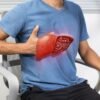
Why Does Your Stomach Feel Heavy Even After Eating Small Meals?
Feeling unusually full after eating just a few bites of food can be frustrating. You may sit down for a meal feeling hungry, but after eating a small portion, your stomach suddenly feels heavy, tight or uncomfortable. Sometimes, this sensation is accompanied by bloating, nausea, burping or upper abdominal discomfort.
This condition is often described as early satiety, which means feeling full sooner than expected while eating. Occasional fullness after a large meal is generally normal, but repeatedly feeling heavy after eating small meals may indicate an underlying digestive problem.
People experiencing persistent stomach heaviness, reduced appetite or difficulty finishing meals may need a proper evaluation by a gastroenterologist. Several conditions involving the stomach, digestive system and abdominal organs can contribute to these symptoms.
Understanding why your stomach feels heavy after eating small amounts can help you recognise when dietary changes may be sufficient and when medical evaluation is necessary.
What Does Feeling Full After Eating Small Meals Mean?
Feeling full after eating a small amount of food is medically known as early satiety. Normally, the stomach relaxes and expands as food enters, allowing it to accommodate a meal comfortably. After eating, the stomach gradually empties food into the small intestine for digestion.
When this process is affected, a person may experience fullness much earlier than expected. Even a small meal can create a sensation of pressure, heaviness or excessive fullness.
Early satiety may occur alongside other symptoms, including:
- Upper abdominal heaviness after eating
- Bloating or excessive gas
- Loss of appetite
- Nausea after meals
- Frequent burping
- Abdominal discomfort
- Difficulty finishing normal portions
- Feeling full for several hours after eating
The symptoms may occur occasionally or become a regular problem after breakfast, lunch or dinner. If the condition persists, it may affect nutritional intake, energy levels and overall health.
Common Reasons Your Stomach Feels Heavy After Eating Small Meals
1. Indigestion or Functional Dyspepsia
Indigestion is one of the common reasons people experience stomach heaviness after eating. Functional dyspepsia is a digestive condition in which patients experience recurring upper abdominal symptoms without an obvious structural explanation on routine investigations.
People with functional dyspepsia may experience discomfort after meals, early fullness, upper abdominal pain, burning or bloating. The stomach may not respond normally to food intake, or the digestive system may become more sensitive to normal stretching and activity.
Certain dietary habits, stress, irregular eating schedules and changes in stomach function may contribute to the symptoms.
If you regularly feel uncomfortable after eating small quantities of food, it is important to understand the underlying cause rather than repeatedly using over-the-counter medicines.
2. Delayed Gastric Emptying
Delayed gastric emptying, also known as gastroparesis, occurs when the stomach takes longer than normal to move food into the small intestine.
When food remains in the stomach for an extended period, a person may experience prolonged fullness, nausea, bloating and reduced appetite. Sometimes, patients feel as though the previous meal has not been digested before they eat again.
Symptoms of delayed gastric emptying may include:
- Feeling full after a few bites
- Stomach heaviness lasting several hours
- Nausea after meals
- Vomiting undigested food
- Abdominal bloating
- Poor appetite
Diabetes is an important risk factor for gastroparesis because it may affect the nerves responsible for controlling stomach movement. Certain medications can also slow gastric emptying.
A gastroenterologist may recommend investigations to evaluate stomach function if the symptoms suggest delayed emptying.
3. Gastritis or Stomach Inflammation
Gastritis refers to inflammation of the stomach lining. It can occur due to different factors, including infection with Helicobacter pylori, certain medications, alcohol and other irritants.
People with gastritis may experience stomach discomfort, nausea, upper abdominal burning, bloating or reduced appetite. Some patients describe the sensation as heaviness after eating, even when the meal is small.
The discomfort may become more noticeable after certain foods, although dietary triggers vary between individuals.
Persistent symptoms should not automatically be treated as acidity. If stomach discomfort continues for several weeks, a doctor may consider additional investigations to determine whether gastritis, an ulcer or another condition is responsible.
4. Acid Reflux and GERD
Gastroesophageal reflux disease (GERD) occurs when stomach contents repeatedly flow back into the oesophagus, causing symptoms such as heartburn and regurgitation.
Although acid reflux is commonly associated with burning in the chest, it can also cause post-meal discomfort, excessive burping, upper abdominal pressure and a sensation of fullness.
Some patients experience symptoms after eating even small portions, especially when they lie down soon after meals or consume foods that trigger reflux.
Common symptoms associated with acid reflux include:
- Burning sensation in the chest
- Sour taste in the mouth
- Food or liquid coming back into the throat
- Frequent burping
- Upper abdominal discomfort
- Symptoms worsening after meals or when lying down
If acidity keeps returning or medicines provide only temporary relief, a gastroenterologist may evaluate the possibility of GERD or other upper digestive conditions.
5. Peptic Ulcers Can Cause Persistent Stomach Discomfort
Peptic ulcers are sores that develop in the lining of the stomach or the upper part of the small intestine. They may cause pain, burning, nausea, bloating or discomfort after eating.
Some people experience increased fullness or an uncomfortable sensation in the upper abdomen following meals. In certain cases, the symptoms may interfere with appetite and cause patients to eat smaller portions.
Common causes of peptic ulcers include H. pylori infection and the prolonged or inappropriate use of certain pain-relieving medicines, particularly NSAIDs.
If stomach heaviness is accompanied by persistent pain, nausea or reduced appetite, medical assessment may help identify whether an ulcer or another stomach condition is responsible.
6. Constipation and Gas Accumulation
Constipation can also contribute to a feeling of stomach heaviness and abdominal fullness. When bowel movements become less frequent, difficult or incomplete, gas and stool accumulation may increase discomfort.
Patients may complain of a heavy abdomen, bloating, reduced appetite and discomfort even after eating a small meal.
Constipation can be associated with low fibre intake, inadequate fluid intake, limited physical activity, certain medicines and underlying bowel conditions.
Although increasing dietary fibre and physical activity may help many people, persistent constipation, especially when associated with abdominal pain or a recent change in bowel habits, should be evaluated.
7. Gallbladder Problems
Gallbladder conditions, particularly gallstones, can cause discomfort in the upper abdomen. Some patients experience symptoms after eating, especially following meals containing a considerable amount of fat.
Gallbladder-related pain may occur in the right upper abdomen or upper central abdomen and sometimes radiates towards the back or right shoulder.
Other symptoms may include nausea, vomiting and indigestion-like discomfort. However, stomach heaviness alone does not confirm gallstones.
An abdominal ultrasound is commonly used to evaluate the gallbladder and detect gallstones. If stones are associated with recurrent pain or complications, a surgeon may discuss treatment options, including laparoscopic gallbladder removal.
8. Stress and Anxiety Affecting Digestion
Stress and anxiety can influence the digestive system through interactions between the brain and gut. During periods of emotional stress, some people notice changes in appetite, stomach sensitivity, bowel movements and digestion.
You may feel hungry but become full quickly, experience abdominal tightness or notice increased bloating after eating.
Stress can worsen functional dyspepsia and irritable bowel syndrome symptoms in susceptible individuals. However, persistent early satiety should not automatically be attributed to stress without considering other medical causes.
Regular meal timings, adequate sleep, physical activity and stress-management techniques may help improve digestive symptoms in some patients.
Why Does Stomach Heaviness Become Worse After Certain Foods?
Some foods and eating habits may contribute to stomach fullness, bloating or indigestion.
Large meals, high-fat foods, carbonated beverages and eating too quickly may increase discomfort in susceptible individuals. High-fat meals can slow stomach emptying, while fizzy drinks may increase gas and bloating.
Other possible triggers include:
- Excessively spicy food
- Fried and greasy meals
- Large portions
- Carbonated drinks
- Excessive tea or coffee
- Eating very late at night
- Eating too quickly
- Lying down immediately after eating
Food triggers are not the same for everyone. Rather than eliminating multiple food groups, try identifying specific patterns and discussing them with your doctor if symptoms are persistent.
Can Feeling Full After Small Meals Cause Weight Loss?
Yes. If a person consistently feels full after eating only a small quantity of food, their overall calorie and nutritional intake may decrease.
Over time, this may contribute to unintended weight loss, nutritional deficiencies, weakness and reduced energy levels.
Persistent early satiety accompanied by unexplained weight loss deserves medical attention. It can occur due to several digestive conditions, and identifying the cause is important before symptoms become more severe.
If you are unable to eat normal portions, avoid ignoring the symptoms or relying exclusively on appetite stimulants or digestive supplements.