Best Gastro Surgeon in Kharar for Hernia Treatment – Advanced Laparoscopic Hernia Surgery by Dr. Amandeep Singh Sandhu
Introduction
A hernia is one of the most common surgical conditions affecting people of all ages. While it may begin as a small bulge or mild discomfort, delaying treatment can lead to severe pain, bowel obstruction, and other serious complications. If you are looking for the Best Gastro Surgeon in Kharar for Hernia Treatment, choosing an experienced specialist is essential for safe surgery and long-term recovery.
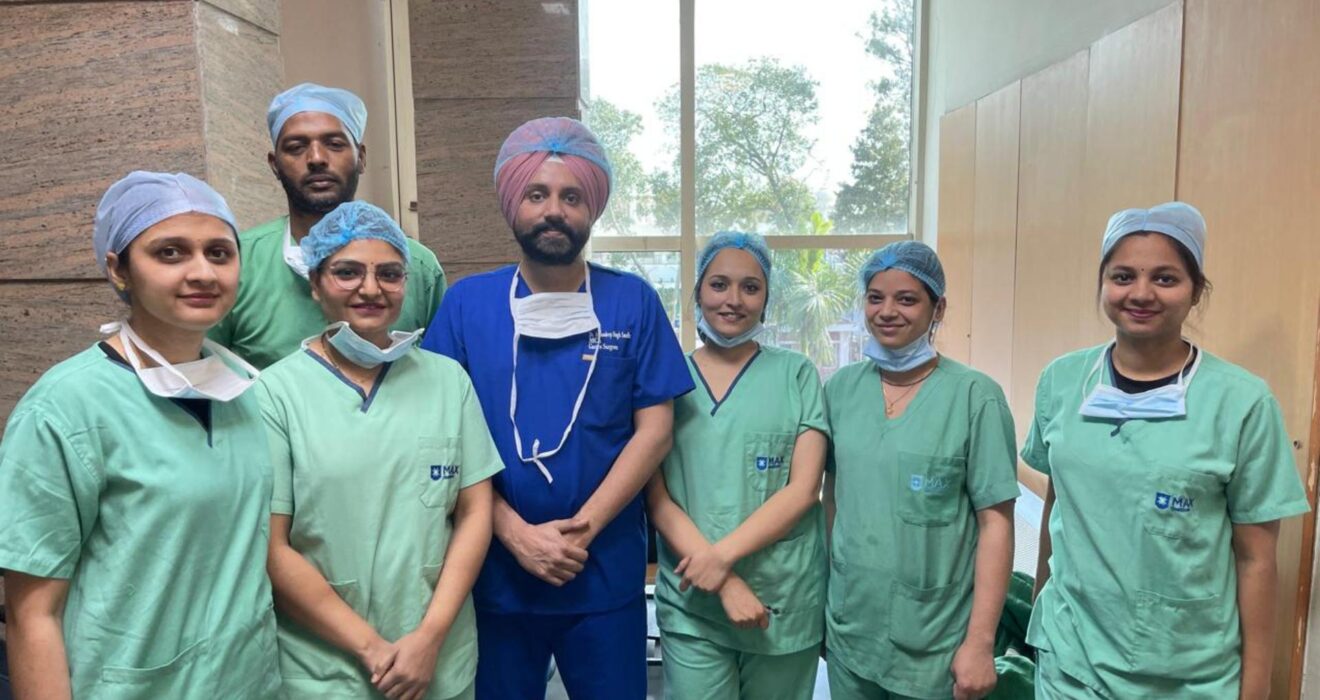
Dr. Amandeep Singh Sandhu is a trusted Gastrointestinal Surgeon, Laparoscopic Surgeon, and Hernia Specialist, providing advanced hernia treatment for patients from Kharar, Mohali, Chandigarh, Landran, Kurali, New Chandigarh, Mullanpur, Sunny Enclave, Greater Mohali, Zirakpur, Panchkula, Banur, Derabassi, Rupnagar (Ropar), Patiala, Ambala, and nearby areas. Using modern laparoscopic techniques, he offers minimally invasive hernia surgery with less pain, faster recovery, and excellent outcomes.
What Is a Hernia?
A hernia occurs when an internal organ or fatty tissue pushes through a weak area in the surrounding muscle or connective tissue. Hernias most commonly develop in the abdomen or groin and usually do not heal on their own. Over time, they often become larger and may lead to complications if left untreated.
Although hernias can affect anyone, they are more common in individuals who perform heavy lifting, are overweight, have chronic cough, or have previously undergone abdominal surgery.
Common Types of Hernias
Inguinal Hernia
The most common type of hernia, occurring in the groin region. It is seen more frequently in men and may cause pain while walking, lifting, or coughing.
Umbilical Hernia
This develops near the belly button and can occur in both adults and children. Adults with obesity or multiple pregnancies are at higher risk.
Incisional Hernia
An incisional hernia develops at the site of a previous abdominal surgery where the muscles have weakened.
Femoral Hernia
More common in women, this hernia appears near the upper thigh and groin. Although less common, it has a higher risk of complications.
Hiatal Hernia
This occurs when part of the stomach moves upward through the diaphragm into the chest cavity, often causing acid reflux and heartburn.
Causes of Hernia
Several factors can weaken the abdominal wall and increase the risk of developing a hernia.
Common causes include:
- Heavy lifting without proper support
- Chronic constipation
- Persistent coughing
- Obesity
- Pregnancy
- Previous abdominal surgery
- Aging
- Smoking
- Family history
- Weak abdominal muscles
Maintaining a healthy weight and avoiding unnecessary strain can reduce the risk, but medical evaluation is important if symptoms appear.
Hernia Symptoms
The symptoms depend on the type and size of the hernia. Some patients notice only a small swelling, while others experience significant pain.
Common symptoms include:
- Visible lump or swelling in the abdomen or groin
- Pain while lifting heavy objects
- Burning or aching sensation
- Pressure in the abdomen
- Discomfort while standing for long periods
- Pain during coughing or sneezing
- Feeling of heaviness in the groin
- Acid reflux and heartburn in hiatal hernia
If the swelling becomes painful, hard, or cannot be pushed back, immediate medical attention is necessary.
When Should You See a Gastro Surgeon?
Many people ignore a hernia because the symptoms are mild initially. However, delaying treatment can increase the risk of complications.
Consult a Best Gastro Surgeon in Kharar if you experience:
- Persistent swelling in the abdomen or groin
- Increasing pain
- Difficulty walking because of discomfort
- Frequent acid reflux
- Nausea or vomiting with hernia pain
- Redness around the swelling
- Sudden severe abdominal pain
Early treatment usually leads to a simpler surgery and quicker recovery.
How Is a Hernia Diagnosed?
An experienced gastro surgeon can diagnose most hernias through a detailed physical examination. Depending on the symptoms, additional investigations may include:
- Ultrasound
- CT Scan
- MRI
- Endoscopy (for hiatal hernia)
- Blood investigations before surgery
Accurate diagnosis helps determine the type and size of the hernia and the most suitable treatment approach.
Do Hernias Heal Without Surgery?
Unfortunately, hernias do not heal on their own. Support belts or medications may temporarily reduce discomfort, but they do not repair the weakened abdominal wall.
Surgery is the only permanent treatment. Delaying surgery can increase the size of the hernia and raise the risk of emergency complications such as strangulation or bowel obstruction.
Laparoscopic Hernia Surgery
Laparoscopic hernia repair is considered the preferred treatment for many patients. During the procedure, the surgeon repairs the weakened area using small incisions, specialized instruments, and a surgical mesh when appropriate.
Compared with traditional open surgery, laparoscopic surgery offers many advantages.
Benefits of Laparoscopic Hernia Repair
- Smaller incisions
- Less postoperative pain
- Faster healing
- Reduced blood loss
- Lower infection risk
- Minimal scarring
- Short hospital stay
- Faster return to work
- Lower recurrence rates in suitable cases
These benefits make laparoscopic surgery an excellent option for many patients.
Recovery After Hernia Surgery
Recovery varies depending on the type of hernia and the surgical technique used. Most patients are encouraged to walk on the same day or soon after surgery.
To support recovery:
- Avoid lifting heavy weights for several weeks.
- Follow a balanced, fiber-rich diet.
- Drink adequate water.
- Prevent constipation.
- Take prescribed medications as directed.
- Attend follow-up appointments.
Many patients return to desk work within a short period, while physically demanding jobs may require a longer recovery.
Why Choose Dr. Amandeep Singh Sandhu?
Dr. Amandeep Singh Sandhu is recognized for his expertise in gastrointestinal and laparoscopic surgery. His patient-centered approach focuses on accurate diagnosis, evidence-based treatment, and faster recovery.
His specialties include:
- Laparoscopic Hernia Surgery
- Gallbladder Surgery
- Bariatric Surgery
- Colorectal Surgery
- Liver Surgery
- Pancreatic Surgery
- Gastric Surgery
- Esophageal Surgery
- GI Bleeding Surgery
- Laser Piles Surgery
- Laser Fissure Surgery
- Laser Fistula Surgery
Patients from Kharar, Mohali, Chandigarh, Landran, Kurali, New Chandigarh, Zirakpur, Panchkula, Banur, Derabassi, Rupnagar (Ropar), Patiala, and Ambala trust Dr. Sandhu for advanced gastrointestinal care and minimally invasive surgical expertise.
Preventing Hernias
Although not all hernias can be prevented, adopting healthy lifestyle habits can reduce your risk.
Helpful measures include:
- Maintain a healthy body weight.
- Strengthen your core muscles with appropriate exercise.
- Lift heavy objects correctly.
- Avoid smoking.
- Treat chronic cough promptly.
- Prevent constipation with a high-fiber diet.
- Stay physically active.
These habits also support overall digestive and abdominal health.
Conclusion
A hernia may begin as a minor swelling, but it should never be ignored. Early diagnosis and timely treatment can prevent complications and help you return to a healthy, active life. Modern laparoscopic hernia surgery provides a safe, effective, and minimally invasive solution with quicker recovery and excellent long-term results.
If you are searching for the Best Gastro Surgeon in Kharar, Hernia Treatment in Kharar, Best Hernia Surgeon in Mohali, Laparoscopic Hernia Surgery in Chandigarh, Gastro Surgeon in Mohali, Hernia Specialist in Zirakpur, or Top Gastrointestinal Surgeon near Kharar, consult Dr. Amandeep Singh Sandhu for expert evaluation and personalized treatment.
Visit https://dramandeep.com/ to learn more about advanced hernia treatment, laparoscopic surgery, and comprehensive gastrointestinal care. Schedule your consultation today and take the first step toward a pain-free, healthier future.