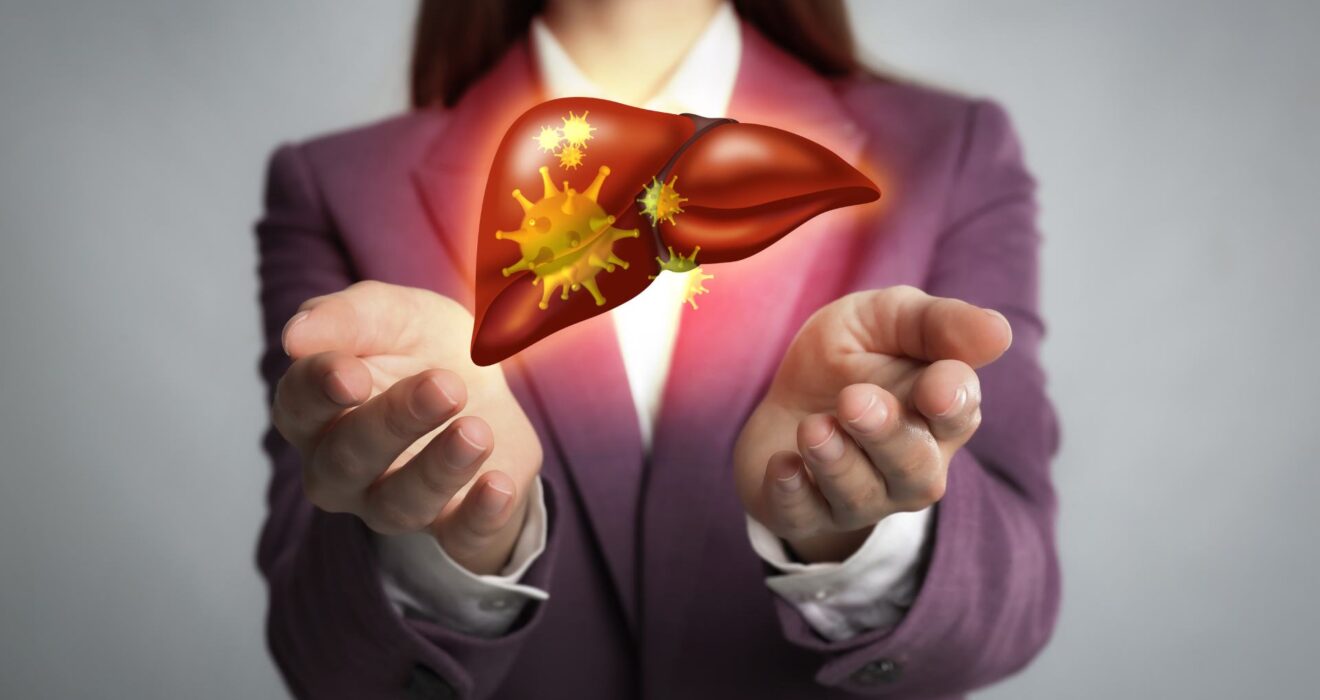
Best Liver Specialist in Chandigarh for Fatty Liver Disease
Introduction
Fatty liver disease has become one of the fastest-growing health concerns in India, especially among young adults and working professionals. In Chandigarh and nearby regions, increasing cases of obesity, diabetes, unhealthy eating habits, and sedentary lifestyle have significantly contributed to the rise in liver disorders. Many people remain unaware that fatty liver disease can silently damage the liver over time and lead to severe complications if ignored.
Consulting the best liver specialist in Chandigarh for fatty liver disease is extremely important for early diagnosis, proper treatment, and prevention of long-term liver damage. Modern liver care focuses not only on medication but also on lifestyle improvement, diet management, and preventive care.
Understanding fatty liver disease, its symptoms, causes, and treatment options can help patients take timely action and protect their liver health.
What Is Fatty Liver Disease?
Fatty liver disease occurs when excess fat accumulates inside liver cells. While a small amount of fat in the liver is normal, excessive fat buildup affects liver function and may cause inflammation or liver damage.
There are two major types of fatty liver disease:
Non-Alcoholic Fatty Liver Disease (NAFLD)
This is the most common type and occurs in people who consume little or no alcohol. NAFLD is rapidly increasing due to poor lifestyle habits.
Alcoholic Fatty Liver Disease
This type develops due to excessive alcohol consumption and may progress to severe liver damage if untreated.
Among both types, non-alcoholic fatty liver disease is becoming increasingly common in Chandigarh because of obesity, stress, poor diet, and lack of physical activity.
Why Fatty Liver Disease Is Increasing in Chandigarh
Unhealthy Eating Habits
Fast food, processed meals, sugary drinks, fried snacks, and high-calorie diets are major contributors to fatty liver disease. These foods increase fat accumulation in the liver and negatively affect metabolism.
Sedentary Lifestyle
Modern office jobs and screen-based routines have reduced physical activity significantly. Long sitting hours and lack of exercise promote obesity and increase liver fat deposition.
Rising Obesity Cases
Obesity is one of the biggest risk factors for fatty liver disease. Excess abdominal fat is strongly associated with liver inflammation and metabolic disorders.
Diabetes and High Cholesterol
People with diabetes, insulin resistance, or high cholesterol are at greater risk of developing fatty liver disease. These conditions disturb fat metabolism and increase liver stress.
Stress and Poor Sleep
Stress affects hormone balance and encourages unhealthy habits like overeating, junk food consumption, and poor sleep. Chronic stress indirectly contributes to liver disease progression.
Symptoms of Fatty Liver Disease
One of the biggest challenges is that fatty liver disease often remains silent in the early stages. Many patients experience no symptoms initially.
However, some common symptoms include:
- Fatigue and weakness
- Abdominal heaviness
- Bloating and indigestion
- Mild pain in the upper abdomen
- Loss of appetite
- Unexplained weight gain
- Difficulty concentrating
As liver damage progresses, symptoms may become more severe.
Can Fatty Liver Disease Become Serious?
Yes, untreated fatty liver disease can become dangerous over time.
Liver Inflammation
Excess fat may trigger inflammation in the liver, causing liver cell damage.
Liver Fibrosis
Persistent inflammation can lead to scar tissue formation.
Liver Cirrhosis
Advanced liver scarring affects liver function permanently and may become life-threatening.
Liver Failure
In severe cases, untreated liver disease may result in liver failure and serious complications.
This is why early consultation with the best liver specialist in Chandigarh is essential.
Fatty Liver in Non-Drinkers
Many people wrongly believe fatty liver disease affects only alcohol consumers. However, non-alcoholic fatty liver disease is now more common than alcohol-related liver disease.
Even people who never consume alcohol may develop fatty liver because of:
- Obesity
- Poor diet
- Diabetes
- High cholesterol
- Lack of exercise
- Sedentary lifestyle
This misconception often delays diagnosis and treatment.
Importance of Early Diagnosis
Early diagnosis can prevent long-term liver complications. Since fatty liver disease often develops silently, regular health checkups are very important.
Timely diagnosis helps:
- Prevent liver inflammation
- Reverse early-stage fatty liver
- Reduce risk of cirrhosis
- Improve overall health
- Prevent diabetes and heart disease complications
Early treatment provides the best long-term outcomes.
Advanced Diagnosis for Fatty Liver Disease
The best liver specialist in Chandigarh for fatty liver disease uses advanced diagnostic methods for accurate evaluation.
Liver Function Tests (LFT)
These blood tests help assess liver health and inflammation.
Ultrasound
Ultrasound is commonly used to detect fat accumulation in the liver.
Fibroscan
Fibroscan measures liver stiffness and helps evaluate liver fibrosis.
Blood Sugar and Cholesterol Tests
Metabolic conditions associated with fatty liver are also assessed.
Advanced diagnostics help determine disease severity and guide treatment planning.
Best Treatment for Fatty Liver Disease
There is no single medicine that completely cures fatty liver disease. Treatment mainly focuses on improving lifestyle habits and controlling risk factors.
Healthy Diet for Fatty Liver
A balanced diet plays a major role in improving liver health.
Recommended Foods
- Fruits and vegetables
- Whole grains
- Fiber-rich foods
- Lean protein
- Nuts and seeds
Foods to Avoid
- Fried foods
- Sugary drinks
- Processed snacks
- Junk food
- Excess carbohydrates
Healthy eating significantly reduces liver fat and inflammation.
Weight Loss and Exercise
Regular exercise improves metabolism and reduces liver fat.
Doctors recommend:
- Brisk walking
- Yoga
- Cycling
- Gym workouts
- Daily physical activity
Even moderate weight loss can improve fatty liver disease considerably.
Managing Diabetes and Cholesterol
Controlling diabetes, blood sugar, and cholesterol levels is extremely important for liver protection.
Patients with metabolic disorders require regular monitoring and proper medical care.
Stress Management and Better Sleep
Mental health and liver health are closely connected. Stress often worsens lifestyle habits and metabolic imbalance.
Meditation, yoga, relaxation techniques, and proper sleep improve both mental and digestive wellness.
Lifestyle Changes to Prevent Fatty Liver
Preventive care is essential in today’s fast-paced lifestyle.
Healthy Lifestyle Habits Include:
- Eating balanced meals
- Avoiding junk food
- Exercising regularly
- Staying hydrated
- Maintaining healthy body weight
- Avoiding smoking and alcohol
- Getting regular sleep
These habits help maintain long-term liver health.
When Should You Consult a Liver Specialist?
You should consult the best liver specialist in Chandigarh if you experience:
- Persistent fatigue
- Abdominal heaviness
- Digestive discomfort
- Elevated liver enzymes
- Obesity or diabetes
- Frequent bloating
- Unexplained weight changes
Early consultation helps prevent serious liver complications.
Why Choose an Experienced Liver Specialist?
An experienced liver specialist provides:
- Accurate diagnosis
- Advanced liver evaluation
- Personalized treatment plans
- Long-term lifestyle guidance
- Comprehensive digestive care
Specialized liver care ensures better disease management and improved outcomes.
Importance of Regular Liver Checkups
Many liver diseases develop silently without symptoms. Routine liver screening is important, especially for:
- Overweight individuals
- Diabetic patients
- Working professionals
- People with poor dietary habits
- Individuals with family history of liver disease
Preventive checkups help detect liver problems early.
Role of Gastroenterology in Liver Care
Liver health is closely linked to digestive health. Modern gastroenterology provides advanced treatment for:
- Fatty liver disease
- Hepatitis
- Acid reflux
- IBS
- Gallbladder disorders
- Pancreatic diseases
Comprehensive digestive evaluation helps identify related gastrointestinal problems as well.