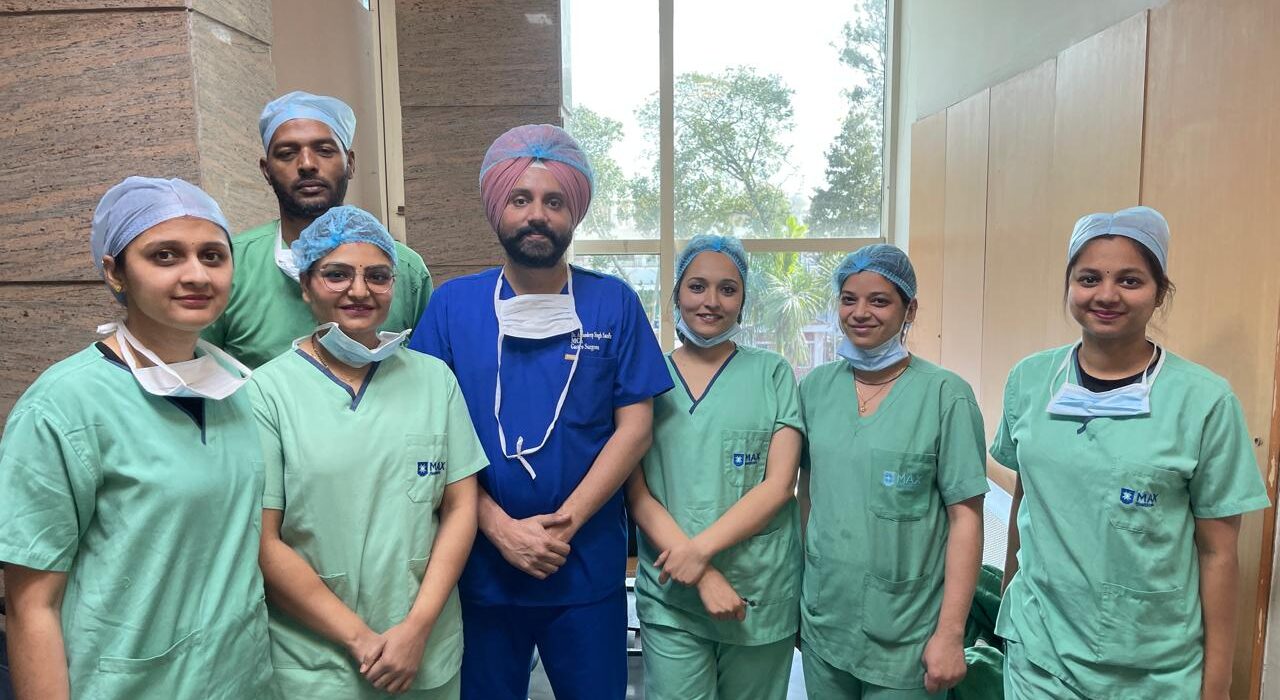
Piles and Fissure Treatment in Chandigarh by Gastro Surgeon
Introduction
Piles and fissures are among the most common anorectal disorders affecting people of all age groups. Due to unhealthy eating habits, sedentary lifestyle, stress, constipation, and poor bowel habits, the number of patients suffering from piles and anal fissures is increasing rapidly in Chandigarh and nearby regions. Although these conditions are common, many people hesitate to seek medical treatment because of embarrassment or fear.
Ignoring symptoms can worsen the condition and lead to severe pain, bleeding, infection, and difficulty during bowel movements. Consulting an experienced gastro surgeon in Chandigarh ensures accurate diagnosis, advanced treatment, and long-term relief from anorectal disorders.
Modern medical and surgical treatments now offer safe, minimally invasive, and highly effective solutions for piles and fissures with faster recovery and less discomfort.
What Are Piles?
Piles, also known as hemorrhoids, are swollen veins in the lower rectum or anus. These veins become enlarged due to excessive pressure in the rectal area.
Piles can be internal or external depending on their location.
Internal Piles
These develop inside the rectum and may cause painless bleeding during bowel movements.
External Piles
These occur around the anal opening and may cause pain, swelling, itching, and discomfort.
Piles are extremely common among adults, especially individuals with chronic constipation and sedentary lifestyle.
What Is an Anal Fissure?
An anal fissure is a small tear or cut in the lining of the anus. It commonly occurs due to passing hard stool or excessive straining during bowel movements.
Fissures cause intense pain and burning sensation while passing stool. Some patients may also notice bleeding and irritation around the anal area.
Unlike piles, fissures are mainly associated with severe pain during bowel movement.
Why Piles and Fissure Cases Are Increasing in Chandigarh
Modern lifestyle habits have significantly contributed to the rising number of anorectal disorders.
Poor Dietary Habits
Low-fiber diet, junk food, spicy meals, and processed foods are major causes of constipation and piles.
Sedentary Lifestyle
Long sitting hours in offices, lack of exercise, and reduced physical activity increase pressure on rectal veins and worsen bowel movement.
Chronic Constipation
Constipation is one of the leading causes of piles and fissures. Straining during bowel movements damages rectal tissues and veins.
Stress and Poor Routine
Stress affects digestion and bowel habits. Irregular eating patterns and poor sleep also contribute to digestive problems and constipation.
Obesity
Excess body weight increases pressure on abdominal and rectal veins, increasing the risk of hemorrhoids.
Common Symptoms of Piles
Symptoms of piles vary depending on severity and type.
Common symptoms include:
- Bleeding during bowel movement
- Pain or discomfort while sitting
- Swelling around the anus
- Itching and irritation
- Feeling of incomplete bowel movement
- Mucus discharge
- Painful lump near the anal region
Ignoring symptoms may worsen the condition over time.
Common Symptoms of Anal Fissure
Anal fissure symptoms are usually more painful and uncomfortable.
Symptoms Include:
- Sharp pain during bowel movement
- Burning sensation after passing stool
- Bleeding while passing stool
- Fear of bowel movement due to pain
- Small tear near the anal opening
Pain from fissures may last for several hours after bowel movement.
Difference Between Piles and Fissure
Although both conditions affect the anal region, they are different disorders.
Piles
- Swollen rectal veins
- Bleeding common
- Pain may be mild initially
Fissure
- Tear in anal lining
- Severe pain during stool passage
- Burning sensation common
Proper diagnosis by a gastro surgeon is important for correct treatment.
Risk Factors for Piles and Fissure
Several factors increase the risk of anorectal disorders.
Common Risk Factors Include:
- Chronic constipation
- Low fiber diet
- Pregnancy
- Obesity
- Long sitting hours
- Heavy weight lifting
- Poor hydration
- Lack of exercise
Addressing these risk factors helps prevent recurrence.
Importance of Early Treatment
Many people delay treatment because of embarrassment. However, untreated piles and fissures can lead to severe complications.
Possible Complications Include:
- Severe pain
- Chronic bleeding
- Infection
- Anemia
- Difficulty sitting and walking
- Anal muscle spasm
Early treatment provides faster relief and prevents disease progression.
Diagnosis by Gastro Surgeon in Chandigarh
An experienced gastro surgeon performs proper clinical evaluation to identify the exact condition and severity.
Diagnostic methods may include:
- Physical examination
- Proctoscopy
- Colonoscopy if required
- Evaluation of bowel habits and digestion
Accurate diagnosis ensures proper treatment planning.
Non-Surgical Treatment for Piles and Fissure
Mild and early-stage cases can often be treated without surgery.
Dietary Changes
Increasing fiber intake softens stool and reduces straining.
Recommended foods include:
- Fruits
- Vegetables
- Whole grains
- Fiber-rich foods
Hydration
Drinking adequate water improves bowel movement and prevents constipation.
Medications
Doctors may prescribe:
- Pain relief medicines
- Stool softeners
- Anti-inflammatory creams
- Ointments for healing fissures
Lifestyle Modifications
Patients are advised to:
- Avoid prolonged sitting
- Exercise regularly
- Maintain healthy weight
- Avoid excessive spicy food
Advanced Laser Treatment for Piles
Modern laser treatment is one of the most advanced and effective solutions for piles.
Benefits of Laser Piles Surgery
- Minimally invasive procedure
- Less pain and bleeding
- Faster recovery
- Short hospital stay
- Minimal cuts and stitches
Laser surgery has become increasingly popular because of better patient comfort and quicker healing.
Surgical Treatment for Piles
Severe piles may require surgical intervention.
Hemorrhoidectomy
This procedure removes enlarged hemorrhoids permanently.
Stapler Surgery
Advanced stapler procedures provide faster recovery with less pain.
The best treatment depends on the severity and patient condition.
Treatment for Anal Fissure
Conservative Management
Acute fissures often improve with:
- Fiber-rich diet
- Warm sitz baths
- Medications
- Hydration
Lateral Internal Sphincterotomy
Chronic fissures may require a small surgical procedure to relax anal muscles and promote healing.
Modern fissure surgery is safe and highly effective.
Recovery After Treatment
Recovery depends on treatment type and patient lifestyle.
Recovery Tips
- Eat fiber-rich foods
- Avoid constipation
- Drink plenty of water
- Avoid straining during bowel movement
- Take medications regularly
- Follow post-treatment instructions carefully
Most patients recover quickly after minimally invasive procedures.
Preventing Piles and Fissure
Preventive care is essential for avoiding recurrence.
Healthy Habits Include:
- Eating high-fiber diet
- Staying hydrated
- Exercising regularly
- Avoiding prolonged sitting
- Maintaining healthy body weight
- Treating constipation early
Simple lifestyle changes can significantly reduce the risk.
Why Choose an Experienced Gastro Surgeon in Chandigarh?
An experienced gastro surgeon provides:
- Accurate diagnosis
- Advanced laser treatment options
- Minimally invasive surgery
- Personalized patient care
- Long-term digestive health guidance
Specialized treatment ensures better outcomes and lower recurrence risk.
Role of Digestive Health in Anorectal Disorders
Digestive problems like constipation, IBS, and poor bowel habits are strongly connected to piles and fissures.
Maintaining healthy digestion helps prevent anorectal diseases and improves long-term gut health.
When Should You Consult a Doctor?
You should consult a gastro surgeon immediately if you experience:
- Rectal bleeding
- Severe pain during bowel movement
- Persistent constipation
- Swelling near anus
- Burning sensation
- Difficulty sitting comfortably
Early medical attention prevents complications and ensures effective treatment.
Conclusion
Piles and fissures are extremely common but treatable anorectal disorders. Modern lifestyle habits, constipation, poor diet, stress, and sedentary routine are major reasons for rising cases in Chandigarh.
Ignoring symptoms can worsen the condition and affect quality of life. Fortunately, advanced treatments including laser surgery and minimally invasive procedures now offer safe, effective, and quick recovery options.
Consulting an experienced gastro surgeon in Chandigarh ensures proper diagnosis, personalized treatment, and long-term relief from pain and discomfort.
Maintaining healthy digestion, high-fiber diet, hydration, and active lifestyle are essential for preventing piles and fissure recurrence.
For expert piles and fissure treatment, advanced laser surgery, and digestive care, visit
https://dramandeep.com/