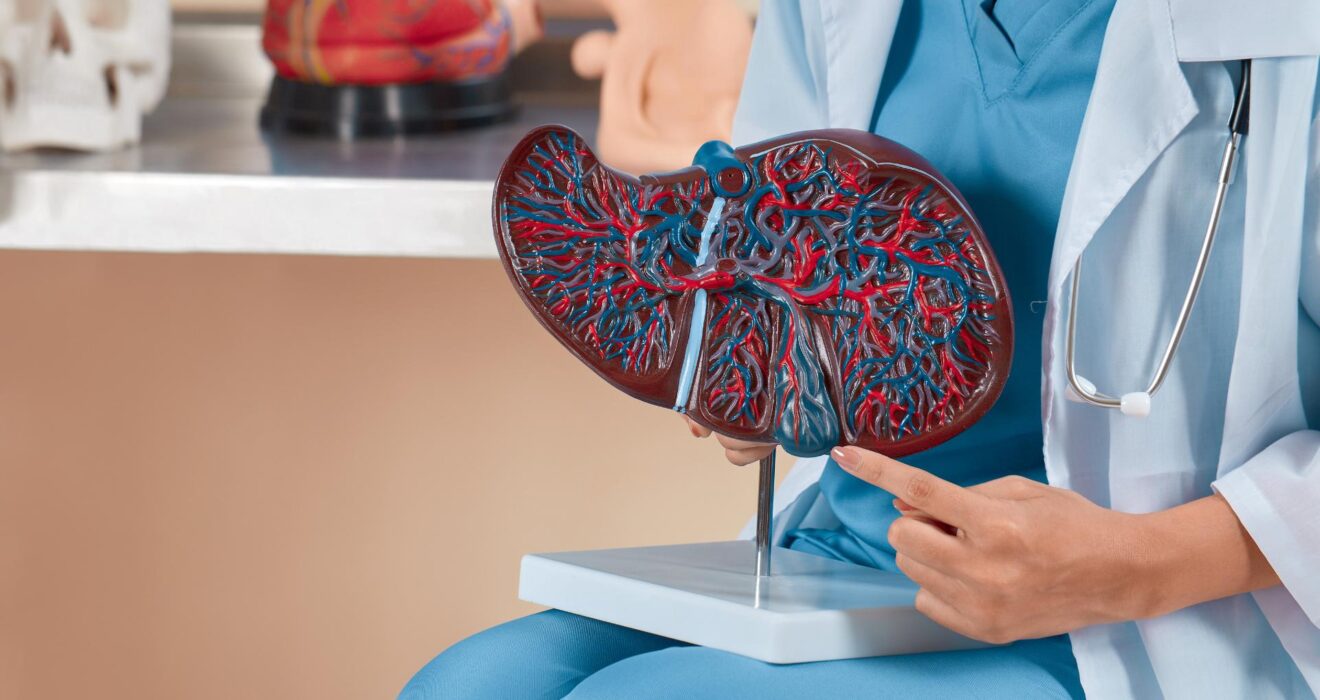
Fatty Liver Without Alcohol – Rising Health Issue in Punjab
Fatty liver disease is rapidly emerging as a major health concern in Punjab, especially among individuals who do not consume alcohol. Traditionally associated with excessive drinking, liver disease is now increasingly being diagnosed in non-drinkers due to lifestyle changes, poor dietary habits, and rising obesity rates. This condition, known as non-alcoholic fatty liver disease, is becoming alarmingly common among young adults and middle-aged individuals across urban and semi-urban areas.
Understanding Fatty Liver Without Alcohol
Fatty liver without alcohol refers to the accumulation of excess fat in liver cells in individuals who consume little to no alcohol. This condition is medically termed non-alcoholic fatty liver disease. In its early stages, the disease may remain silent, showing no obvious symptoms. However, if not managed properly, it can progress to inflammation, liver damage, and even life-threatening complications.
Why Fatty Liver Is Increasing in Punjab
Punjab has seen a significant shift in lifestyle patterns over the past decade. Increased consumption of high-calorie foods, sedentary routines, and reduced physical activity have contributed to the rise in metabolic disorders. Fast food, sugary beverages, and processed snacks have become a regular part of daily diets, leading to weight gain and fat accumulation in the liver.
The Role of Obesity and Lifestyle
Obesity is one of the leading causes of fatty liver disease in non-drinkers. Excess fat in the body, particularly around the abdomen, is closely linked to liver fat accumulation. A sedentary lifestyle, lack of exercise, and prolonged sitting further worsen the condition. Young professionals and students are particularly at risk due to long working hours and minimal physical activity.
Link Between Diabetes and Fatty Liver
Type 2 diabetes and insulin resistance play a significant role in the development of fatty liver disease. When the body becomes resistant to insulin, it leads to increased fat storage in the liver. Individuals with high blood sugar levels are more likely to develop liver-related complications if the condition is not controlled.
Early Symptoms That Often Go Unnoticed
One of the biggest challenges with fatty liver disease is that it often shows no symptoms in the early stages. Some individuals may experience fatigue, mild discomfort in the upper abdomen, or a feeling of heaviness. Because these symptoms are subtle, many people remain unaware of the condition until it is detected during routine health check-ups.
Stages of Fatty Liver Disease
Fatty liver disease progresses through multiple stages. The initial stage involves simple fat accumulation without inflammation. The next stage includes inflammation and damage to liver cells. Over time, this can lead to fibrosis, where scar tissue forms in the liver. In advanced cases, it may progress to cirrhosis, which can severely affect liver function.
Importance of Early Diagnosis
Early diagnosis plays a crucial role in preventing disease progression. Routine blood tests, liver function tests, and imaging studies such as ultrasound help detect fatty liver at an early stage. Identifying the condition early allows patients to make necessary lifestyle changes and avoid complications.
Can Fatty Liver Be Reversed?
The encouraging aspect of fatty liver disease is that it is often reversible in its early stages. With proper lifestyle modifications, including weight loss, healthy eating, and regular exercise, patients can significantly reduce liver fat and improve liver function.
Dietary Changes for Liver Health
A balanced diet is essential for managing fatty liver disease. Reducing the intake of fried foods, refined carbohydrates, and sugary drinks helps prevent further fat accumulation. Including fresh fruits, vegetables, whole grains, and lean protein supports liver health. Avoiding excessive sugar intake is particularly important, as it directly contributes to fat buildup in the liver.
Importance of Physical Activity
Regular exercise is one of the most effective ways to reduce liver fat. Activities such as walking, jogging, cycling, and yoga help improve metabolism and promote weight loss. Consistent physical activity also enhances insulin sensitivity, reducing the risk of further complications.
Impact of Stress and Sleep
Modern lifestyles often involve high levels of stress and irregular sleep patterns. Chronic stress can affect hormonal balance and contribute to metabolic disorders. Poor sleep quality is also linked to weight gain and increased risk of fatty liver disease. Managing stress and maintaining a regular sleep schedule are important for overall health.
Risk Factors in Young Adults
Young adults in Punjab are increasingly being diagnosed with fatty liver due to poor lifestyle habits. Irregular eating patterns, frequent consumption of junk food, and lack of exercise are major contributing factors. Awareness among younger populations is essential to prevent long-term health issues.
Complications of Untreated Fatty Liver
If left untreated, fatty liver disease can lead to serious complications. These include liver inflammation, fibrosis, cirrhosis, and even liver failure. Advanced stages may also increase the risk of liver cancer. Early intervention is key to preventing these outcomes.
Role of Medical Management
While lifestyle changes are the primary treatment, medical management may be required in certain cases. Doctors may prescribe medications to control diabetes, cholesterol, and other associated conditions. Regular monitoring ensures that the disease does not progress.
Importance of Regular Health Check-Ups
Routine health check-ups are essential for early detection of fatty liver disease. Individuals with obesity, diabetes, or a family history of liver disorders should undergo regular screening. Early identification helps in timely intervention and better outcomes.
Preventive Measures for Fatty Liver
Preventing fatty liver disease involves adopting a healthy lifestyle. Maintaining an ideal body weight, eating a balanced diet, staying physically active, and avoiding unhealthy habits can significantly reduce the risk. Awareness and education play a key role in prevention.
Addressing Myths About Fatty Liver
A common misconception is that fatty liver only affects people who consume alcohol. In reality, non-alcoholic fatty liver disease is equally serious and requires attention. Another myth is that it is a minor condition, but if ignored, it can lead to severe complications.
Importance of Specialist Consultation
Consulting a gastro or liver specialist is important for accurate diagnosis and treatment planning. A specialist can evaluate the severity of the condition, recommend appropriate tests, and guide patients on lifestyle changes and medical management.
Growing Healthcare Awareness in Punjab
With increasing awareness about lifestyle diseases, more people in Punjab are now seeking medical advice for digestive and liver-related problems. Early consultation and preventive care are helping reduce the burden of advanced liver disease.
Conclusion
Fatty liver without alcohol is a growing health issue in Punjab, affecting a large number of young and middle-aged individuals. Lifestyle changes, obesity, and metabolic disorders are major contributing factors. Although the condition may not show symptoms in the early stages, it can lead to serious complications if ignored. The good news is that fatty liver is often reversible with timely intervention, healthy eating, regular exercise, and proper medical guidance. Increasing awareness and taking proactive steps can help individuals protect their liver health and lead a healthier life.