Gallbladder Stone Surgery in Mohali – Latest Laparoscopic Treatment Options
Gallbladder stones, also known as gallstones, are one of the most common gastrointestinal problems affecting people in India and around the world. In recent years, there has been a significant increase in the number of patients reporting symptoms such as abdominal pain, nausea, bloating, and digestive discomfort. This rise is closely linked to changes in diet, sedentary lifestyles, obesity, and metabolic disorders. For residents of Mohali, Chandigarh, Amritsar, and the broader Punjab region, understanding the latest laparoscopic treatment options for gallbladder stones has become essential in achieving timely relief and long-term digestive health.
Gallstones form when substances in the bile, such as cholesterol or bilirubin, precipitate and crystallize within the gallbladder. These stones vary in size from tiny particles to large stones that can block the bile ducts, leading to significant pain and complications. Many individuals may carry gallstones without symptoms, but when stones interfere with bile flow or cause inflammation of the gallbladder, surgical treatment is often recommended.
Over the past decade, laparoscopic gallbladder surgery has emerged as the gold standard for treating symptomatic gallstones. This minimally invasive technique offers patients quicker recovery, less postoperative pain, minimal scarring, and reduced hospital stays compared to traditional open surgery. In Mohali, advanced laparoscopic procedures are widely available, performed by experienced gastrointestinal and laparoscopic surgeons using state-of-the-art technology.
Understanding when surgery is necessary and what options are available can empower patients to make informed decisions about their healthcare. Early intervention not only relieves pain but also prevents serious complications such as cholecystitis, pancreatitis, jaundice, and bile duct obstruction. With proper guidance and surgical expertise, individuals can return to normal life with improved digestive comfort and overall well-being.
What Are Gallstones and Why Do They Form?
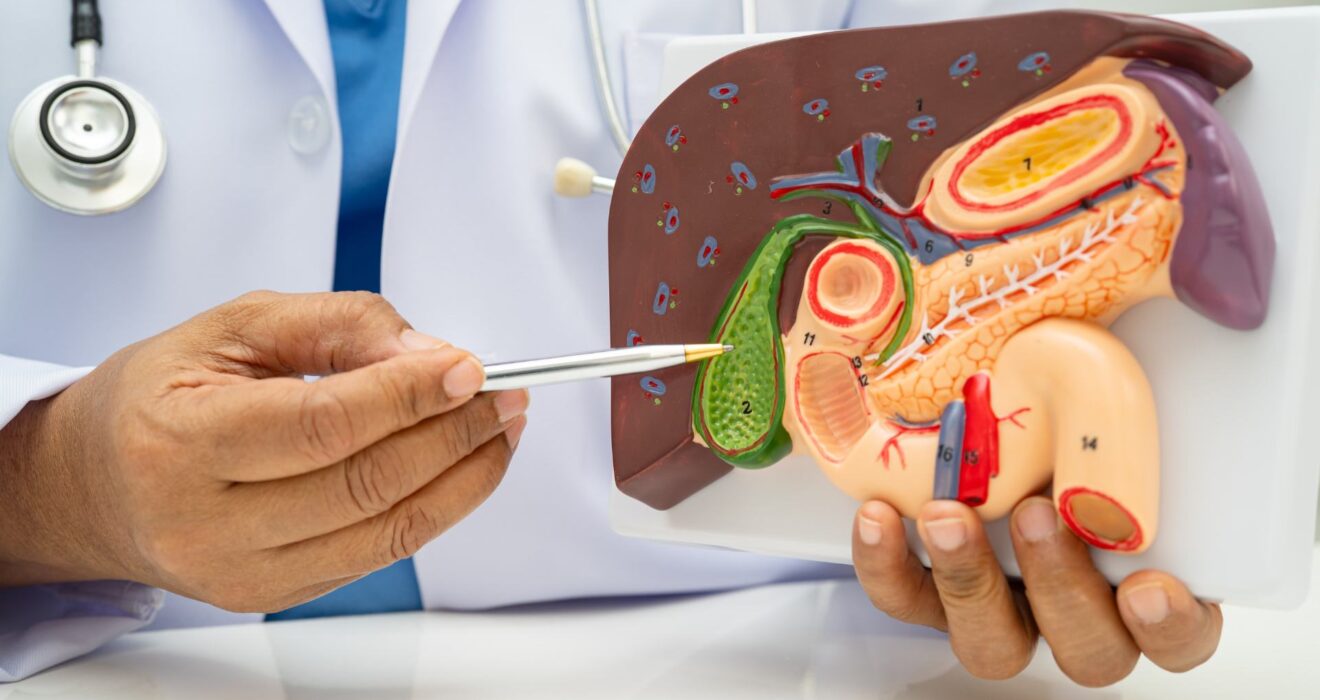
Gallstones are hardened deposits that form in the gallbladder, a small organ located beneath the liver that stores bile. Bile is a digestive fluid produced by the liver that helps break down fats in the diet. When the balance of cholesterol, bile salts, and bilirubin becomes disrupted, these substances can crystallize to form gallstones.
There are two main types of gallstones: cholesterol stones and pigment stones. Cholesterol stones are the most common type and are typically linked to high cholesterol levels in the bile. Pigment stones, on the other hand, form from excess bilirubin and are more common among patients with certain blood disorders or liver disease.
Several risk factors increase the likelihood of gallstone formation. Obesity, rapid weight loss, a high-fat diet, female gender, age over 40, pregnancy, and a family history of gallstones are among the most common contributors. Additionally, metabolic conditions such as diabetes and insulin resistance further elevate the risk.
Although many individuals with gallstones remain asymptomatic, stones that obstruct the bile ducts or irritate the gallbladder lining can produce severe symptoms. Recognizing these signs early is critical to prevent complications and to decide if surgical removal is necessary.
Common Symptoms of Gallbladder Stones
Not all gallstones cause symptoms, but when they do, the discomfort can be significant. The most frequently reported symptom is biliary colic — a sudden, intense pain in the upper right abdomen. This pain often occurs after a fatty meal and may last for several hours. The pain can radiate to the back or right shoulder blade, making it difficult to pinpoint for some patients.
Other typical signs include nausea, vomiting, bloating, gas, and indigestion. Some patients may experience frequent episodes of heartburn or intolerance to fatty foods. These symptoms can mimic other digestive conditions, which is why clinical evaluation is important for accurate diagnosis.
In more severe cases, gallstones can block the bile ducts or cause inflammation, leading to complications such as acute cholecystitis. Symptoms of acute cholecystitis include severe abdominal pain, fever, chills, and tenderness in the abdominal area. When gallstones block the bile ducts and trigger infection or inflammation of the pancreas, the condition becomes even more serious.
Jaundice — a yellowing of the skin and eyes — may also occur when bile flow is obstructed. This symptom requires urgent medical attention. If any of these severe symptoms are present, immediate consultation with a gastrointestinal surgeon is recommended.
When Is Gallbladder Stone Surgery Recommended?
Surgical removal of the gallbladder, known as cholecystectomy, is commonly recommended when gallstones cause persistent symptoms or complications. Asymptomatic gallstones are often monitored without surgery unless they pose a risk of complications. However, once symptoms become frequent or severe, surgical intervention is the most effective and definitive treatment.
The decision to proceed with surgery depends on the frequency of symptoms, the severity of pain, the presence of complications such as infection or obstruction, and the overall health of the patient. Factors such as age, existing medical conditions, and lifestyle may also influence the timing of surgery.
For many patients in and around Mohali, early surgical intervention provides rapid relief and prevents recurrent episodes of pain and inflammation. Advances in minimally invasive surgery have made cholecystectomy a safe and well-tolerated procedure for most patients.
Advantages of Laparoscopic Gallbladder Surgery
Laparoscopic gallbladder surgery has become the preferred method for removing the gallbladder in patients with symptomatic gallstones. This technique involves making several small incisions in the abdomen through which a tiny camera and specialized instruments are inserted. The surgeon performs the operation while viewing the internal structures on a monitor.
Some of the key benefits of laparoscopic surgery include:
- Minimal Pain and Scarring: Smaller incisions lead to less trauma and reduced postoperative discomfort compared to open surgery.
- Faster Recovery: Most patients are discharged within one to two days and return to normal activities within a week.
- Reduced Complications: Lower risk of wound infection and hernia compared to larger open incisions.
- Better Cosmetic Outcome: Smaller scars that fade quickly over time.
Because of these advantages, laparoscopic cholecystectomy has largely replaced open cholecystectomy as the standard of care for gallstones. Most patients tolerate the procedure well, and complications are rare when performed by experienced surgeons.
Preparing for Laparoscopic Gallbladder Surgery
Prior to surgery, patients undergo a thorough evaluation that includes medical history, physical examination, and imaging studies such as ultrasound or CT scan. Blood tests are also performed to assess liver function and overall health.
Patients are typically instructed to fast for several hours before the procedure. Medications that affect blood clotting may need to be adjusted temporarily. It is important to inform the surgeon about all medications and supplements being taken, as certain drugs may increase surgical risk.
A detailed discussion with the surgeon about the procedure, risks, benefits, and expected outcomes helps patients feel more confident and prepared. Emotional readiness and understanding the recovery process are key components of a successful surgical experience.
What to Expect During the Procedure
Laparoscopic cholecystectomy is usually performed under general anesthesia. Once the patient is anesthetized, the surgeon makes small incisions in the abdomen and inserts the laparoscope (camera) and surgical instruments. The gallbladder is carefully detached from the liver and bile ducts and then removed through one of the small incisions.
The procedure typically takes about one to two hours, depending on the complexity of the case. Patients are monitored in the recovery area immediately after surgery and can usually begin walking within a few hours. Most individuals experience relief from pain and digestive symptoms soon after the procedure.
Postoperative Care and Recovery
After laparoscopic gallbladder surgery, patients are encouraged to walk and move around to prevent complications like blood clots and pneumonia. Light activities can be resumed within a few days, while strenuous activities should be avoided for a few weeks as advised by the surgeon.
Dietary adjustments immediately after surgery may include light, low-fat meals to allow the digestive system to adapt. Most people transition back to a regular diet within a few weeks. Some patients may experience mild digestive changes initially, such as loose stools or bloating, but these symptoms usually resolve over time.
Follow-up visits with the surgeon ensure proper healing and address any concerns. Pain management, wound care, and activity guidelines are discussed to support smooth recovery.
Risks and Complications of Gallbladder Surgery
Although laparoscopic gallbladder surgery is safe for most patients, like any surgical procedure, it carries some risks. Potential complications include bleeding, infection, injury to surrounding structures, bile duct injury, and adverse reactions to anesthesia.
Complications are rare, and when they occur, they are usually managed effectively with prompt medical care. Choosing an experienced surgeon reduces the risk of complications and ensures that any issues are detected and treated early.
Lifestyle Changes After Surgery
Following gallbladder removal, most patients lead a normal, healthy life. However, certain dietary and lifestyle adjustments can enhance overall digestive health. Reducing fatty and fried foods, increasing dietary fiber, maintaining a healthy weight, and staying hydrated are beneficial.
Regular physical activity improves metabolism and supports digestive function. Avoiding large, heavy meals and eating smaller, frequent meals can also help the digestive system adapt after surgery.
When to Seek Medical Help After Surgery
While most patients recover without issues, certain symptoms require immediate medical attention. These include severe abdominal pain, fever, chills, persistent vomiting, jaundice, or signs of infection at the incision site. Immediate consultation helps prevent complications and ensures optimal recovery.
Choosing the Right Surgeon in Mohali
Selecting a skilled and experienced surgeon is a critical step in ensuring successful gallbladder stone surgery. Patients should seek a surgeon with expertise in laparoscopic techniques, a strong track record of successful outcomes, and a compassionate approach to patient care.
For expert evaluation, diagnosis, and advanced laparoscopic treatment of gallbladder stones, visit:
👉 https://dramandeep.com/
Experienced care makes a significant difference in surgical results and patient satisfaction.
Long-Term Outlook After Gallbladder Removal
Most patients experience complete relief from gallstone-related symptoms after surgery. Long-term outcomes are excellent, and quality of life significantly improves. With proper diet and lifestyle measures, digestive health remains stable and most individuals do not experience ongoing problems.
Conclusion
Gallbladder stones can cause significant discomfort and complications if left untreated. The advent of laparoscopic gallbladder surgery has revolutionized treatment, offering patients a minimally invasive solution with faster recovery, less pain, and minimal scarring. Early diagnosis, appropriate surgical intervention, and expert postoperative care are key to achieving the best outcomes.
If you experience symptoms such as abdominal pain after fatty meals, nausea, bloating, or digestive discomfort, do not wait until complications arise. Timely consultation with an experienced surgeon ensures accurate diagnosis and effective treatment.
For comprehensive evaluation and the latest laparoscopic treatment options for gallbladder stones in Mohali and Punjab, visit:
👉 https://dramandeep.com/