Gas and Bloating After Every Meal: When Is Further Testing Needed?
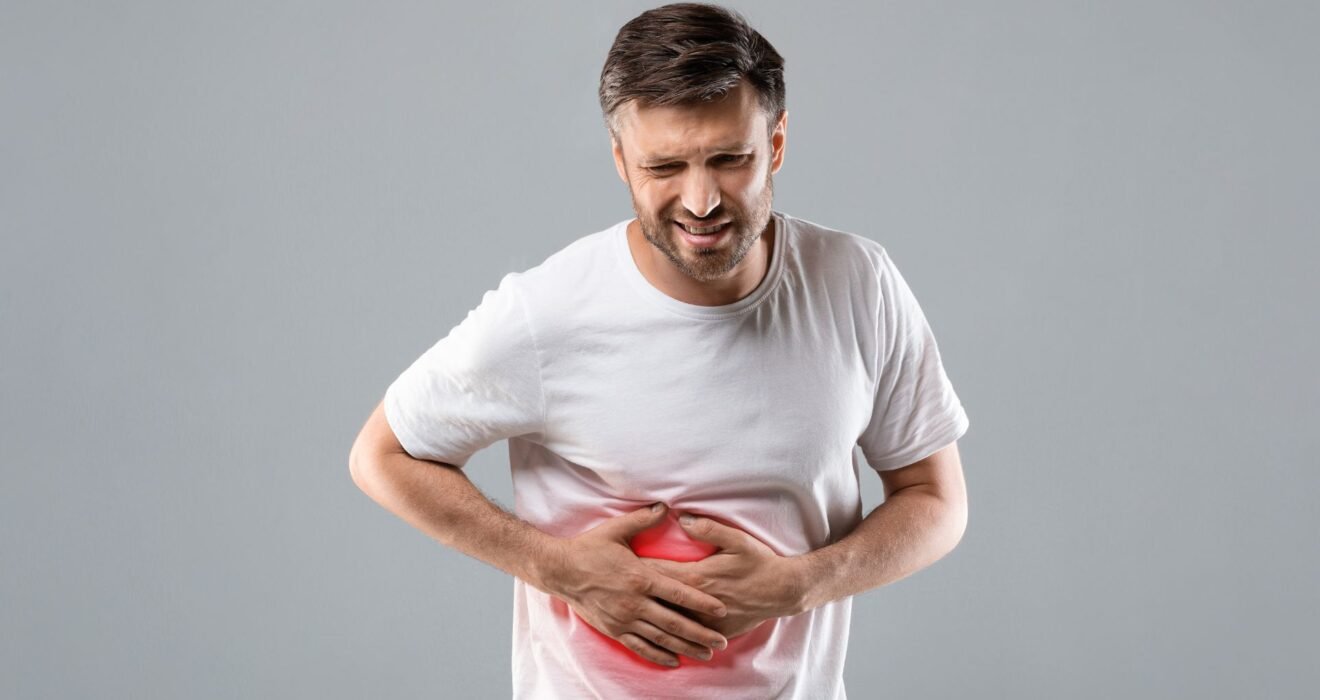
Gas and bloating after eating are common digestive complaints that can affect people of all ages. Many people experience a feeling of fullness, abdominal pressure, burping, or excessive gas after meals. These symptoms may occur after eating certain foods, consuming large portions, or eating too quickly. However, when gas and bloating occur after almost every meal, persist for several weeks, or interfere with daily activities, they may indicate an underlying digestive problem that requires medical evaluation.
Understanding the possible causes of frequent bloating can help you identify when simple dietary changes may be sufficient and when further testing by a gastroenterologist is necessary. If you regularly experience stomach bloating after eating, abdominal discomfort, excessive gas, or changes in bowel habits, it is important to understand the warning signs and available diagnostic options.
What Causes Gas and Bloating After Every Meal?
Gas develops naturally during digestion. Some gas enters the digestive system when you swallow air while eating or drinking, while intestinal bacteria produce gas as they break down certain carbohydrates. Normally, the body releases this gas through burping or passing wind.
Bloating is the sensation of fullness, tightness, or swelling in the abdomen. Some people experience bloating without visible abdominal enlargement, while others notice that their stomach becomes distended after meals.
Occasional gas and bloating are usually harmless. However, recurring symptoms may be associated with food intolerances, constipation, irritable bowel syndrome, or other gastrointestinal conditions.
1. Eating Habits and Dietary Choices
One of the most common causes of gas after eating is the consumption of foods that are difficult for some people to digest. Beans, lentils, cabbage, onions, certain whole grains, carbonated drinks, and some artificial sweeteners can increase intestinal gas.
Eating too quickly, chewing gum, drinking through a straw, and consuming large meals can also increase swallowed air or make post-meal discomfort worse.
To reduce symptoms, try eating smaller portions, chewing food slowly, drinking water regularly, and limiting carbonated beverages. Keeping a food diary may help identify patterns between particular meals and digestive symptoms.
If bloating continues despite these changes, it may be time to investigate other possible causes.
2. Lactose Intolerance and Other Food Intolerances
Lactose intolerance occurs when the small intestine does not produce enough lactase, the enzyme needed to digest lactose in milk and dairy products. Undigested lactose passes into the colon, where bacteria ferment it and produce gas.
Symptoms may include abdominal bloating, cramps, excessive flatulence, and diarrhoea after consuming milk, ice cream, or certain dairy products.
Other people may experience symptoms after eating foods containing specific fermentable carbohydrates, often called FODMAPs. These carbohydrates can contribute to gas and bloating in susceptible individuals.
A gastroenterologist may recommend a lactose elimination trial or a hydrogen breath test when lactose intolerance is suspected. Food intolerance should be assessed carefully rather than eliminating multiple food groups without guidance.
3. Irritable Bowel Syndrome (IBS)
Irritable bowel syndrome is a common digestive disorder that can cause recurring abdominal pain, bloating, gas, constipation, diarrhoea, or alternating bowel habits.
People with IBS may notice that symptoms worsen after meals, during periods of stress, or after consuming particular foods. The digestive tract can become more sensitive to normal amounts of gas, making bloating feel more severe.
There is no single test that confirms every case of IBS. Doctors usually assess the pattern of symptoms, medical history, and examination findings. Blood tests, stool tests, or other investigations may be recommended to exclude conditions that produce similar symptoms.
Persistent bloating accompanied by abdominal pain or changes in bowel habits deserves medical attention, especially if the symptoms are new or progressively worsening.
4. Constipation and Slow Bowel Movements
Constipation is another frequent cause of abdominal bloating. When stool remains in the colon for longer than usual, it can contribute to abdominal pressure, discomfort, and difficulty passing gas.
Symptoms may include hard stools, infrequent bowel movements, straining, or a feeling that the bowel has not emptied completely.
Increasing dietary fibre gradually, drinking sufficient fluids, and maintaining regular physical activity may help many people. However, some types of fibre can temporarily worsen gas, particularly when introduced too quickly.
If constipation persists despite lifestyle changes, a doctor may assess medications, dietary habits, bowel function, and other possible underlying causes.
5. Small Intestinal Bacterial Overgrowth (SIBO)
Small intestinal bacterial overgrowth, commonly called SIBO, occurs when excessive numbers or abnormal patterns of bacteria are present in the small intestine. These bacteria can ferment carbohydrates and produce gas, resulting in bloating, abdominal discomfort, and changes in bowel movements.
Some people also experience diarrhoea, nutritional deficiencies, or unintended weight loss, depending on the underlying cause and severity.
SIBO may be considered in people with certain digestive conditions, previous gastrointestinal surgery, or disorders affecting intestinal movement. A hydrogen or methane breath test may be used in selected cases.
However, breath testing has limitations, and bloating alone does not establish a diagnosis of SIBO. Testing and treatment should be guided by a qualified healthcare professional.
6. Gastritis, Indigestion, and Other Upper Digestive Problems
Frequent fullness after meals may sometimes be associated with indigestion, also known as dyspepsia. People may experience upper abdominal discomfort, nausea, belching, or feeling full after eating only a small amount.
Possible causes include functional dyspepsia, gastritis, peptic ulcers, and, in some cases, infection with Helicobacter pylori. Reflux disease may also cause symptoms such as heartburn and regurgitation.
A doctor may recommend testing for H. pylori, medication review, or an upper gastrointestinal endoscopy depending on the symptoms and risk factors.
Persistent early satiety, repeated vomiting, difficulty swallowing, or unexplained weight loss should not be dismissed as ordinary gas.
When Is Further Testing Needed for Gas and Bloating?
Occasional bloating that improves after passing gas or changing eating habits usually does not require extensive investigation. However, medical assessment is advisable when symptoms occur after almost every meal, continue for several weeks, repeatedly return, or interfere with eating and everyday activities.
Further testing may be particularly important when bloating is accompanied by persistent abdominal pain, chronic diarrhoea, ongoing constipation, unexplained fatigue, or suspected nutritional deficiencies.
Seek prompt medical evaluation if you develop unexplained weight loss, blood in your stool, recurrent vomiting, or a persistent change in bowel habits. Severe abdominal pain with a markedly swollen abdomen, vomiting, or inability to pass stool or gas requires urgent medical care.
The appropriate investigation depends on your age, symptoms, medical history, family history, and physical examination. Not everyone with bloating needs an endoscopy, scan, or extensive laboratory testing.
What Tests May a Gastroenterologist Recommend?
A gastroenterologist can determine whether your symptoms are likely to be related to diet, bowel function, food intolerance, or another gastrointestinal condition.
Medical History and Physical Examination
The first step is usually a detailed discussion about your symptoms, eating habits, bowel movements, medications, previous illnesses, and family history. The doctor may examine your abdomen for tenderness, swelling, or other signs that require further investigation.
Blood Tests
Blood tests may be recommended to check for anaemia, inflammation, nutritional deficiencies, or other abnormalities. Depending on your symptoms, testing for coeliac disease or thyroid problems may also be appropriate.
Stool Tests
Stool testing may help investigate persistent diarrhoea, intestinal inflammation, infection, or suspected malabsorption. The specific test depends on the symptoms and suspected condition.
Breath Tests
Hydrogen or methane breath testing may help evaluate suspected lactose intolerance or small intestinal bacterial overgrowth in selected patients. These tests must be interpreted in the context of the patient’s symptoms and other clinical findings.
Ultrasound, CT Scans, or Endoscopy
Imaging may be recommended when the doctor suspects a structural problem or another abdominal condition. An upper gastrointestinal endoscopy allows examination of the oesophagus, stomach, and upper small intestine and may be appropriate when alarm symptoms or other clinical indications are present.
These investigations are not necessary for everyone. A targeted approach helps avoid unnecessary procedures while identifying important digestive conditions.
How Can You Reduce Gas and Bloating After Meals?
Several practical measures may help reduce mild digestive symptoms.
Eat smaller meals and avoid eating too quickly. Limit fizzy drinks and observe whether specific foods consistently trigger discomfort. Maintain regular physical activity and drink adequate fluids. If constipation is present, increase fibre gradually rather than making sudden dietary changes.
Avoid eliminating entire food groups without a clear reason, as restrictive diets can lead to nutritional deficiencies. If food intolerance is suspected, a dietitian or doctor can help develop a suitable dietary plan.
It is also useful to record when bloating occurs, which foods you ate, how long symptoms last, and whether you experience pain or changes in bowel movements. This information can help your doctor identify useful next steps.
Avoid repeatedly taking over-the-counter digestive medicines or antibiotics without medical advice, particularly when symptoms are persistent or unexplained.
Why Early Evaluation Matters
Persistent gas and bloating are not always signs of a serious disease, but recurring symptoms should not automatically be attributed to poor digestion. Identifying the underlying cause can help you receive appropriate treatment and avoid unnecessary dietary restrictions or medications.
A timely consultation with a gastroenterologist is especially valuable when bloating is associated with other digestive symptoms, becomes progressively worse, or does not improve with basic lifestyle changes.
The goal of evaluation is not simply to reduce gas temporarily. It is to understand why the symptoms occur and develop a treatment plan that addresses the underlying problem.
Consult Dr. Amandeep Singh Sandhu for Persistent Digestive Symptoms
If you regularly experience gas and bloating after meals, abdominal discomfort, acidity, constipation, or other gastrointestinal symptoms, consider consulting a qualified gastroenterologist for an appropriate assessment.
Dr. Amandeep Singh Sandhu provides gastroenterology and laparoscopic surgical care for patients in Mohali, Chandigarh, Amritsar, and nearby areas. Depending on your symptoms, a clinical evaluation can help determine whether dietary changes, medication, diagnostic testing, or specialist treatment may be appropriate.
Do not ignore persistent digestive discomfort or rely on self-diagnosis. Identifying the cause of frequent bloating is an important step towards better digestive health and improved quality of life