Fatty Liver Treatment in Mohali: Can Fatty Liver Be Reversed Naturally?
Fatty liver disease is becoming increasingly common among adults due to changing food habits, sedentary lifestyles, obesity, diabetes and other metabolic health problems. Many people discover that they have fatty liver during a routine ultrasound or health check-up, even when they do not experience noticeable symptoms. This often raises an important question: Can fatty liver be reversed naturally without surgery or long-term medication?
In many cases, fatty liver can improve significantly through appropriate lifestyle changes, dietary modifications, regular physical activity and management of underlying health conditions. However, the treatment approach depends on how much fat has accumulated in the liver and whether inflammation or liver scarring has developed.
People looking for fatty liver treatment in Mohali should understand that early diagnosis and timely medical guidance can help prevent disease progression. Consulting an experienced gastroenterologist or liver specialist can help determine the condition’s severity and the most appropriate treatment plan.
What Is Fatty Liver Disease?
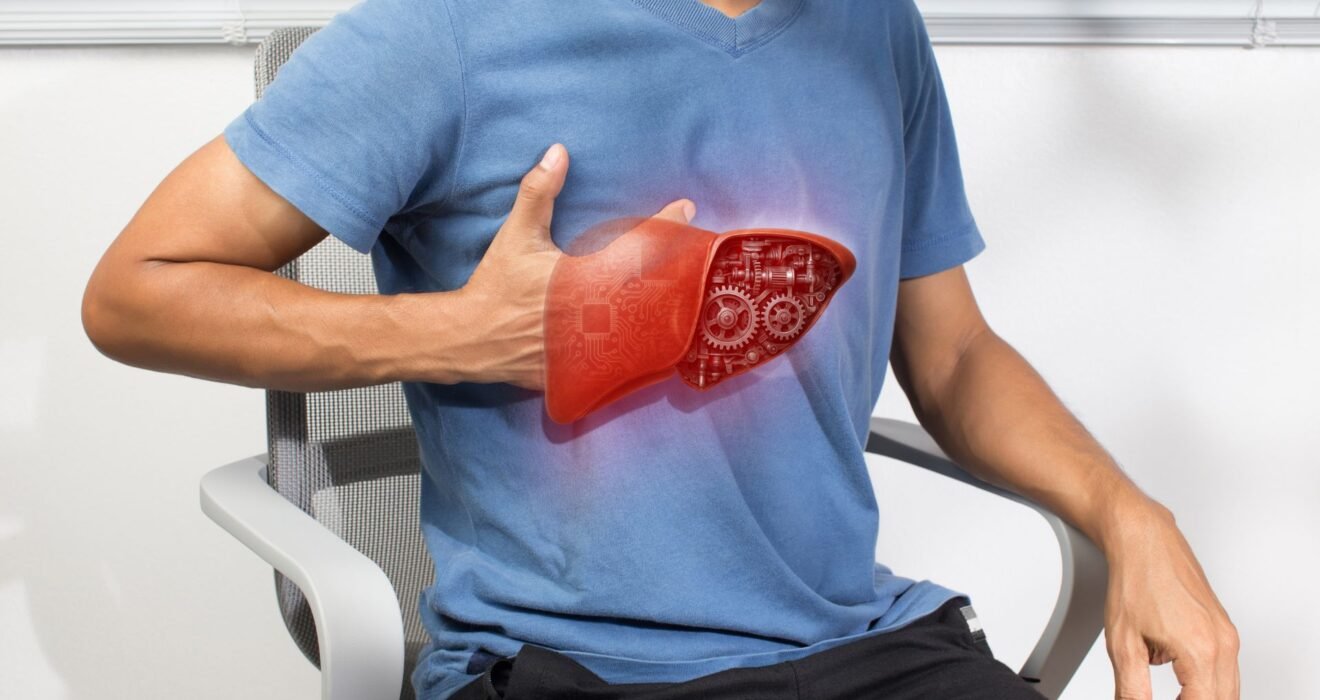
Fatty liver disease is a condition in which excess fat accumulates inside liver cells. A small amount of fat in the liver may not immediately cause problems, but excessive accumulation can affect normal liver function.
The condition associated with metabolic risk factors such as obesity, insulin resistance, high cholesterol and type 2 diabetes is now commonly called Metabolic Dysfunction-Associated Steatotic Liver Disease (MASLD). Its more inflammatory form, which can cause liver cell damage, is known as Metabolic Dysfunction-Associated Steatohepatitis (MASH).
If inflammation continues for a long time, it may lead to fibrosis, which means scarring of liver tissue. Advanced fibrosis can eventually progress to cirrhosis in some patients.
A liver specialist in Mohali can assess whether fatty liver is limited to fat accumulation or whether more significant liver damage requires attention.
Can Fatty Liver Be Reversed Naturally?
Yes, fatty liver can often improve naturally, particularly when diagnosed at an early stage. Lifestyle modifications are the foundation of treatment for many people with MASLD.
Reducing excess body weight, following a balanced diet, exercising regularly and controlling blood sugar and cholesterol can help reduce liver fat. Some patients may also experience improvement in liver inflammation.
The extent of improvement depends on the stage of the disease, overall health, consistency of lifestyle changes and the presence of other medical conditions.
It is important to understand that natural treatment does not mean ignoring medical evaluation. Patients with advanced fibrosis or cirrhosis need appropriate specialist care and monitoring. Lifestyle changes remain important, but they may not reverse advanced liver damage.
Common Causes of Fatty Liver Disease
Fatty liver can develop due to several lifestyle and metabolic factors. Identifying the underlying cause is an important part of effective fatty liver treatment in Mohali.
Obesity and Excess Body Weight
Excess body fat, particularly around the abdomen, is strongly associated with fatty liver. Fat accumulation can contribute to insulin resistance and increased fat storage in liver cells.
Type 2 Diabetes
People with type 2 diabetes have a higher risk of developing fatty liver because insulin resistance affects how the body processes and stores fat.
High Cholesterol and Triglycerides
Elevated triglycerides and unhealthy cholesterol levels can contribute to metabolic dysfunction and increase the risk of liver fat accumulation.
Unhealthy Eating Habits
Frequent consumption of sugary drinks, sweets, refined carbohydrates, deep-fried foods and highly processed meals may contribute to weight gain and metabolic problems associated with fatty liver.
Lack of Physical Activity
A sedentary lifestyle can increase the risk of obesity, diabetes and insulin resistance. These conditions are closely connected with fatty liver disease.
Alcohol Consumption
Alcohol can also cause fat accumulation and liver injury. Patients should discuss their alcohol intake honestly with their doctor because the recommended approach depends on the type and severity of liver disease.
Symptoms of Fatty Liver You Should Not Ignore
Fatty liver disease often develops without noticeable symptoms, especially during its early stages. Many patients discover it through an ultrasound performed for an unrelated health concern.
When symptoms occur, they may include:
- Tiredness and unexplained fatigue
- Discomfort or heaviness in the upper right side of the abdomen
- Reduced energy levels
- General abdominal discomfort
- Unexplained changes in overall health
Advanced liver disease may cause yellowing of the eyes or skin, swelling in the abdomen or legs, easy bruising and other serious symptoms. These require prompt medical evaluation.
If you experience persistent abdominal discomfort, unusual fatigue or abnormal liver test results, consult a gastroenterologist in Mohali for appropriate assessment.
Best Natural Ways to Improve Fatty Liver
Natural fatty liver treatment focuses on sustainable changes rather than quick fixes. The following measures may help improve liver health.
1. Follow a Balanced and Liver-Friendly Diet
Diet plays an important role in managing fatty liver. Instead of following extreme diets, patients should aim for a balanced eating pattern that supports a healthy weight and better metabolic health.
Include vegetables, seasonal fruits in appropriate portions, whole grains, pulses, beans, nuts and other fibre-rich foods. Choose healthier sources of fats, such as nuts, seeds and suitable vegetable oils, instead of frequently consuming foods high in saturated fat.
Reduce sugary beverages, packaged juices, sweets, refined carbohydrates, fast food and highly processed snacks.
A sustainable dietary plan is generally more effective than crash dieting or skipping meals.
2. Reduce Excess Body Weight Gradually
For people who are overweight or have obesity, gradual weight reduction can significantly improve fatty liver.
Clinical guidance indicates that losing around 3%–5% of body weight may reduce liver fat. A sustained reduction of approximately 7%–10% may provide greater improvement in liver inflammation and, in some patients, fibrosis.
The required target varies from person to person. Rapid weight loss and extreme dieting should be avoided because they may create nutritional problems and can worsen certain liver conditions.
3. Exercise Regularly
Physical activity helps improve insulin sensitivity, maintain a healthy body weight and reduce liver fat.
Walking, cycling, swimming and other moderate-intensity aerobic exercises can be useful. Adults should generally aim for around 150 minutes of moderate physical activity per week, adjusted according to their health and fitness level.
Strength training may also support muscle health and metabolic function.
Patients who have existing medical conditions or significant physical limitations should discuss a suitable exercise routine with their healthcare provider.
4. Control Diabetes and Cholesterol
Managing diabetes, blood pressure and cholesterol is an important part of fatty liver treatment.
People with high blood sugar should follow their prescribed diabetes treatment plan and monitor glucose levels as advised. Similarly, patients with high cholesterol or triglycerides may require medication and regular follow-up.
Do not stop prescribed medicines because of a fatty liver diagnosis without consulting your doctor.
5. Avoid Alcohol and Unverified Supplements
Alcohol can contribute to liver injury, particularly in people who already have fatty liver or liver inflammation. Avoiding alcohol is a sensible precaution, and complete abstinence is especially important when significant liver fibrosis is present.
Be careful with herbal liver tonics, detox drinks and unverified supplements. Products marketed as natural liver cleansers are not necessarily safe or effective. Some herbal preparations can actually damage the liver.
Always consult a liver specialist before starting supplements or alternative treatments.
Which Tests Are Used to Diagnose Fatty Liver?
Accurate diagnosis helps determine the stage of fatty liver disease and whether additional treatment is needed. A gastroenterologist or liver specialist may recommend the following investigations.
Liver Function Test (LFT)
A liver function test measures certain enzymes and proteins in the blood. It can help identify signs of liver injury, but normal results do not completely rule out fatty liver or advanced fibrosis.
Ultrasound of the Abdomen
An abdominal ultrasound can identify fat accumulation in the liver and may help detect other abdominal abnormalities. However, it cannot reliably determine the amount of liver scarring.
FibroScan
FibroScan is a non-invasive test that measures liver stiffness and estimates liver fat using a controlled attenuation parameter. It can help assess the risk of fibrosis and monitor selected patients over time.
Blood Tests and Fibrosis Scores
Doctors may use blood tests and calculations such as the FIB-4 score to estimate the likelihood of advanced liver fibrosis. Depending on the results, further assessment may be required.
Liver Biopsy
A liver biopsy is not necessary for every patient. It may be considered when the diagnosis is uncertain or when additional information about inflammation and liver damage is needed.
Can Fatty Liver Become Serious if Left Untreated?
Yes. Although many people with simple fatty liver do not develop advanced disease, some patients may experience progressive liver damage.
The condition can progress through different stages:
Simple Steatosis: Excess fat accumulates in liver cells without significant inflammation.
Steatohepatitis (MASH): Fat accumulation is accompanied by inflammation and liver cell injury.
Liver Fibrosis: Persistent injury causes scar tissue to develop in the liver.
Liver Cirrhosis: Advanced scarring changes the structure and function of the liver and can lead to serious complications.
Not everyone progresses through these stages. Early assessment and management of metabolic risk factors can help reduce the likelihood of disease progression.
When Should You Consult a Liver Specialist in Mohali?
You should consider consulting a gastroenterologist or liver specialist if:
- Your ultrasound report mentions fatty liver.
- Your liver enzymes are repeatedly elevated.
- You have diabetes, obesity or high triglycerides.
- You experience persistent upper abdominal discomfort.
- You have a family history of significant liver disease.
- You have been diagnosed with fatty liver and want to understand your fibrosis risk.
- You have unexplained jaundice, abdominal swelling or other possible signs of advanced liver disease.
People from Mohali, Chandigarh, Kharar, Zirakpur, Panchkula, Dera Bassi, Landran, Kurali and nearby areas can seek specialist evaluation rather than relying only on home remedies.
Fatty Liver Treatment in Mohali: Why Specialist Evaluation Matters
Every patient with fatty liver may require a different treatment approach. Someone with early-stage fatty liver and no other health problems may benefit primarily from dietary changes, exercise and regular monitoring. A patient with diabetes, high cholesterol or suspected liver fibrosis may need a more detailed treatment plan.
Dr. Amandeep Singh Sandhu provides gastroenterology and gastrointestinal surgical care, with a focus on evaluating digestive and abdominal health concerns. Patients seeking a liver specialist in Mohali can discuss their symptoms, previous reports and risk factors to understand which investigations or treatment options may be appropriate.
The objective of medical evaluation is not simply to identify fat in the liver but also to assess the risk of inflammation, fibrosis and associated metabolic conditions.