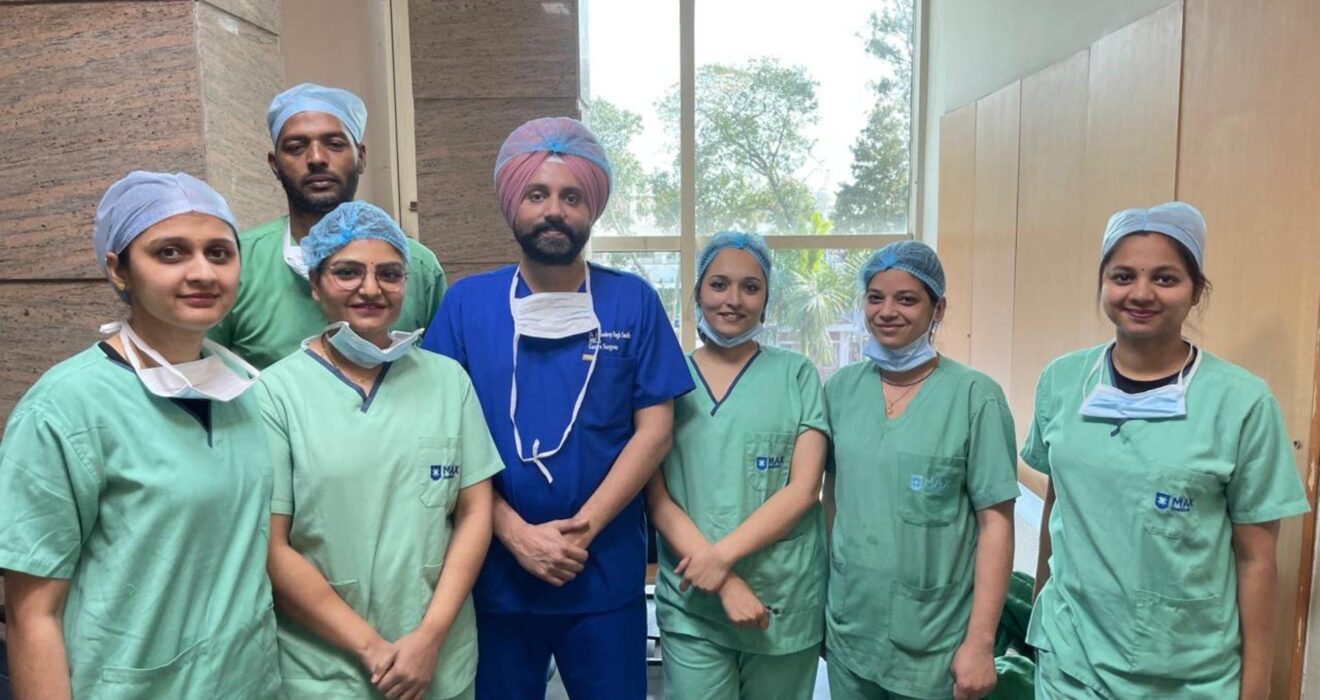
Gastro Surgeon Near Kurali for Gallbladder, Pancreas and Intestinal Surgery
Digestive system problems can affect everyday life, causing abdominal pain, indigestion, bloating, nausea, vomiting and changes in bowel habits. While some gastrointestinal conditions improve with medicines and lifestyle modifications, others may require specialised surgical treatment. Gallbladder stones, pancreatic disorders and intestinal diseases are among the conditions that sometimes need evaluation by an experienced gastrointestinal surgeon.
For people searching for a Gastro Surgeon Near Kurali, access to appropriate diagnosis and advanced surgical care is important. A qualified gastro surgeon can assess problems affecting the stomach, gallbladder, pancreas, bile ducts and intestines and recommend treatment according to the patient’s condition.
Dr. Amandeep Singh Sandhu is a gastroenterologist and laparoscopic surgeon providing gastrointestinal and minimally invasive surgical care. Patients from Kurali, Mohali, Kharar, Chandigarh, Morinda, Ropar, Landran and nearby areas can seek specialist consultation for digestive problems that may require surgical evaluation.
What Does a Gastro Surgeon Treat?
A gastro surgeon specialises in the surgical management of diseases affecting the digestive system. This includes organs such as the stomach, small intestine, large intestine, rectum, gallbladder, bile ducts, liver and pancreas.
Unlike routine digestive complaints that may be managed by medication, certain structural or complicated conditions require surgical intervention. The decision depends on the diagnosis, severity of symptoms, investigation results and the patient’s overall health.
Common conditions evaluated by a gastrointestinal surgeon include gallstones, gallbladder inflammation, pancreatic disorders, intestinal obstruction, appendicitis, hernias, colorectal diseases and selected stomach conditions.
People searching for a gastro surgeon near Kurali should understand that not every digestive problem requires surgery. A proper clinical examination and diagnostic assessment help determine the most suitable treatment.
Gallbladder Surgery: Diagnosis and Treatment of Gallstones
The gallbladder is a small organ located beneath the liver. It stores bile, a digestive fluid that helps the body break down fats. Gallstones develop when substances in bile form hard deposits inside the gallbladder.
Some people have gallstones without experiencing any symptoms. However, stones can sometimes cause severe pain, inflammation or blockage of the bile ducts.
Common Symptoms of Gallbladder Stones
Gallbladder stones may cause pain in the upper right or central abdomen, particularly after heavy or fatty meals. The discomfort may spread towards the back or right shoulder.
Other symptoms can include nausea, vomiting, indigestion and bloating. When a gallstone blocks a bile duct, patients may develop jaundice, dark urine, pale stools or fever.
Severe abdominal pain accompanied by fever or jaundice requires prompt medical assessment.
When Is Gallbladder Surgery Required?
Not every person with gallstones needs surgery. Patients with no symptoms may sometimes be monitored, depending on their individual risk factors and medical history.
However, surgery may be recommended when gallstones cause repeated painful episodes, acute gallbladder inflammation or other complications.
The commonly performed operation is called laparoscopic cholecystectomy, which involves removing the gallbladder through small abdominal incisions.
Laparoscopic Gallbladder Removal Surgery
Laparoscopic gallbladder surgery uses a camera and specialised instruments inserted through small incisions. The surgeon views the operating area on a monitor and removes the gallbladder using minimally invasive techniques.
Potential advantages include smaller incisions, reduced wound discomfort and a shorter hospital stay compared with traditional open surgery in many suitable patients. Recovery varies depending on the patient’s health and whether complications are present.
A gastro surgeon near Kurali can assess gallbladder symptoms, review ultrasound reports and determine whether laparoscopic gallbladder removal is appropriate.
Pancreatic Surgery and Treatment of Pancreatic Diseases
The pancreas is an important organ located behind the stomach. It produces digestive enzymes and hormones, including insulin, which helps regulate blood sugar.
Pancreatic disorders can affect digestion, blood sugar control and overall health. Some conditions can be managed with medicines and supportive care, while selected complicated cases may require endoscopic procedures or surgery.
Pancreatitis: Causes and Symptoms
Pancreatitis refers to inflammation of the pancreas. It can occur suddenly as acute pancreatitis or develop over time as chronic pancreatitis.
Gallstones and alcohol are important causes, although other factors such as high triglycerides, certain medicines and genetic conditions may also contribute.
Common symptoms include severe upper abdominal pain, pain spreading towards the back, nausea, vomiting and abdominal tenderness.
Acute pancreatitis can become serious and may require hospital treatment. Patients experiencing severe abdominal pain with persistent vomiting should seek urgent medical attention rather than attempting home treatment.
Pancreatic Cysts and Other Abnormalities
Pancreatic cysts are fluid-filled structures that may be discovered during an ultrasound, CT scan or MRI performed for another reason.
Some pancreatic cysts are harmless, while others require regular monitoring or further investigation because of their potential to develop into serious conditions.
The treatment depends on the cyst’s size, appearance, location, symptoms and risk features. A specialist may recommend imaging, endoscopic ultrasound or other investigations before deciding whether surgery is necessary.
When Is Pancreatic Surgery Needed?
Pancreatic surgery may be considered for selected pancreatic tumours, certain cystic lesions, complicated chronic pancreatitis and other serious conditions.
The type of operation depends on the location and nature of the disease. Pancreatic procedures are complex and require careful assessment, appropriate imaging and specialist planning.
Patients from Kurali, Kharar, Mohali and surrounding areas who have been diagnosed with pancreatic abnormalities should consult an experienced gastrointestinal specialist to understand the available treatment options.
Intestinal Surgery: Treatment for Small and Large Bowel Problems
The intestines play an essential role in digestion, nutrient absorption and waste elimination. Problems affecting the small intestine or large intestine can cause abdominal pain, constipation, diarrhoea, bloating and changes in bowel habits.
Some intestinal disorders respond to medication, dietary changes or endoscopic treatment. Others may require surgery when there is obstruction, perforation, severe inflammation or another structural problem.
Intestinal Obstruction
Intestinal obstruction occurs when food, fluids and gas cannot move normally through the bowel. It may develop because of adhesions from previous abdominal surgery, hernias, tumours, twisting of the intestine or other causes.
Symptoms can include severe abdominal pain, abdominal swelling, vomiting, constipation and inability to pass gas.
An intestinal obstruction can become a medical emergency, especially when blood supply to the bowel is affected. Prompt diagnosis is important to prevent serious complications.
Treatment depends on the cause and severity. Some patients may improve with hospital-based non-surgical management, while others require an operation to remove the blockage or treat the underlying problem.
Appendicitis and Appendix Surgery
Appendicitis occurs when the appendix becomes inflamed. It commonly causes pain that begins around the navel and moves towards the lower right side of the abdomen.
Other symptoms may include nausea, vomiting, fever and loss of appetite.
Appendicitis requires timely medical evaluation because an inflamed appendix can rupture and cause serious infection. Laparoscopic appendectomy is a commonly used surgical approach in suitable patients.
Colorectal Diseases and Intestinal Surgery
The colon and rectum form the lower part of the digestive system. Conditions affecting these organs include colorectal cancer, selected large bowel obstructions, diverticular disease and complicated inflammatory conditions.
Symptoms that may require investigation include persistent changes in bowel habits, blood in the stool, unexplained weight loss, abdominal discomfort and unexplained anaemia.
Depending on the diagnosis, treatment may involve colonoscopy, medication, endoscopic procedures or colorectal surgery.
A colorectal or gastrointestinal surgeon can help determine whether an operation is necessary and explain the available treatment approaches.
Laparoscopic Gastrointestinal Surgery: A Minimally Invasive Approach
Laparoscopic surgery has become an important treatment option for several abdominal and gastrointestinal conditions. Instead of making one large incision, the surgeon uses small incisions to insert a camera and specialised instruments.
The camera provides a magnified view of the operating area, helping the surgeon perform the procedure with precision.
Common Conditions Treated With Laparoscopic Surgery
Laparoscopic techniques may be used for gallbladder removal, appendectomy, selected hernia repairs and certain intestinal or colorectal procedures.
The suitability of minimally invasive surgery depends on the disease, previous operations, the patient’s medical condition and the surgeon’s assessment. Some complicated conditions may still require open surgery.
Potential Benefits of Laparoscopic Surgery
For appropriately selected patients, laparoscopic surgery may offer smaller incisions, less wound discomfort, shorter hospital stays and faster return to routine activities.
However, recovery is not identical for everyone. The procedure’s complexity, underlying disease and individual health conditions can influence recovery time.
An experienced laparoscopic surgeon can explain the benefits, limitations and possible risks before treatment.
Tests Used Before Gallbladder, Pancreatic and Intestinal Surgery
Accurate diagnosis is essential before planning gastrointestinal surgery. A gastro surgeon may recommend different tests depending on the patient’s symptoms and suspected condition.
Ultrasound of the Abdomen
Ultrasound is commonly used to detect gallstones, gallbladder inflammation and certain liver or bile duct abnormalities. It may also help identify other abdominal problems.
CT Scan
A CT scan provides detailed images of abdominal organs and can help evaluate intestinal obstruction, appendicitis, pancreatic inflammation, tumours and other complicated conditions.
MRI and MRCP
MRI provides detailed images of soft tissues. Magnetic Resonance Cholangiopancreatography (MRCP) is a specialised MRI technique used to examine the bile ducts and pancreatic ducts.
Endoscopy and Colonoscopy
Upper gastrointestinal endoscopy allows doctors to examine the food pipe, stomach and first part of the small intestine. Colonoscopy examines the large intestine and may help identify polyps, inflammation, bleeding or tumours.
Blood Investigations
Blood tests may include liver function tests, pancreatic enzymes, complete blood count, kidney function and other investigations depending on the suspected diagnosis.
The choice of tests depends on the patient’s medical history and clinical findings. Not every patient needs every investigation.
When Should You Consult a Gastro Surgeon Near Kurali?
Persistent or severe digestive symptoms should not be ignored, especially when they interfere with daily activities or are associated with warning signs.
You should seek medical assessment if you experience:
- Repeated pain in the upper right or central abdomen.
- Severe abdominal pain spreading towards the back.
- Recurrent vomiting or inability to tolerate food.
- Yellowing of the eyes or skin.
- Persistent abdominal swelling or constipation.
- Blood in the stool or black, tarry stools.
- Unexplained weight loss or reduced appetite.
- Repeated gallbladder stone-related pain.
- Abnormal findings in an ultrasound, CT scan or MRI report.
Sudden severe abdominal pain, persistent vomiting, fever with abdominal pain, jaundice or inability to pass stool and gas may require urgent hospital evaluation.
Gastro Surgeon Near Kurali: Specialist Care for Nearby Areas
Patients living in Kurali may need access to specialised evaluation for gallbladder stones, pancreatic diseases and intestinal problems. People from nearby areas can also seek consultation for digestive conditions that may require medical or surgical treatment.
Dr. Amandeep Singh Sandhu provides gastroenterology and laparoscopic surgical care for patients from Mohali, Chandigarh, Kharar, Kurali, Ropar, Morinda, Landran, New Chandigarh, Dera Bassi and Panchkula.
Whether a patient requires gallbladder stone evaluation, pancreatic disease assessment, intestinal obstruction treatment or laparoscopic surgery, the first step is an accurate diagnosis.
The treatment plan is based on the patient’s symptoms, investigation reports, medical history and overall fitness for surgery.
Why Early Diagnosis Matters in Gastrointestinal Conditions
Many gastrointestinal conditions become more complicated when diagnosis and treatment are delayed. Repeated gallbladder pain may indicate ongoing stone-related problems, while persistent bowel changes may require investigation for intestinal disease.
Early medical assessment helps identify the cause of symptoms and determine whether medication, observation, endoscopic treatment or surgery is appropriate.
Patients should avoid self-medication and unverified home remedies, particularly when experiencing severe or recurring abdominal pain.
If surgery is recommended, discussing the procedure, possible complications, recovery expectations and alternative treatments with the surgeon can help patients make informed decisions.
Conclusion
Gallbladder, pancreatic and intestinal diseases can cause significant discomfort and sometimes require specialised surgical treatment. Conditions such as symptomatic gallstones, complicated pancreatitis, intestinal obstruction, appendicitis and selected colorectal disorders need careful evaluation by an experienced gastrointestinal surgeon.
For people searching for a Gastro Surgeon Near Kurali, consulting a specialist can help identify the underlying problem and determine the most appropriate treatment. Dr. Amandeep Singh Sandhu provides gastroenterology and laparoscopic surgical care for patients from Kurali, Mohali, Kharar, Chandigarh, Ropar, Landran and nearby areas.
Timely diagnosis, appropriate investigations and an individualised treatment plan are important steps towards better digestive health.
Frequently Asked Questions
1. Which doctor should I consult for gallbladder stones near Kurali?
A gastroenterologist or gastrointestinal surgeon can evaluate gallbladder stones, review ultrasound findings and determine whether monitoring, medication for selected cases or laparoscopic gallbladder removal is appropriate.
2. When does pancreatitis require surgery?
Most cases of acute pancreatitis are initially treated without surgery. Procedures or surgery may be needed for selected complications, infected pancreatic necrosis, certain blockages or underlying pancreatic conditions.
3. What is laparoscopic gastrointestinal surgery?
Laparoscopic gastrointestinal surgery is a minimally invasive approach that uses a camera and specialised instruments inserted through small abdominal incisions. It may be suitable for gallbladder, appendix, hernia and selected intestinal operations.
4. Can intestinal obstruction be treated without surgery?
Some intestinal obstructions improve with hospital-based treatment, depending on their cause and severity. However, complete obstruction, compromised bowel blood supply, perforation or certain other complications may require emergency surgery.
5. Does every gallstone patient need gallbladder removal?
No. Patients with asymptomatic gallstones may not need surgery. Removal is commonly recommended when gallstones cause repeated symptoms or complications, depending on individual assessment.