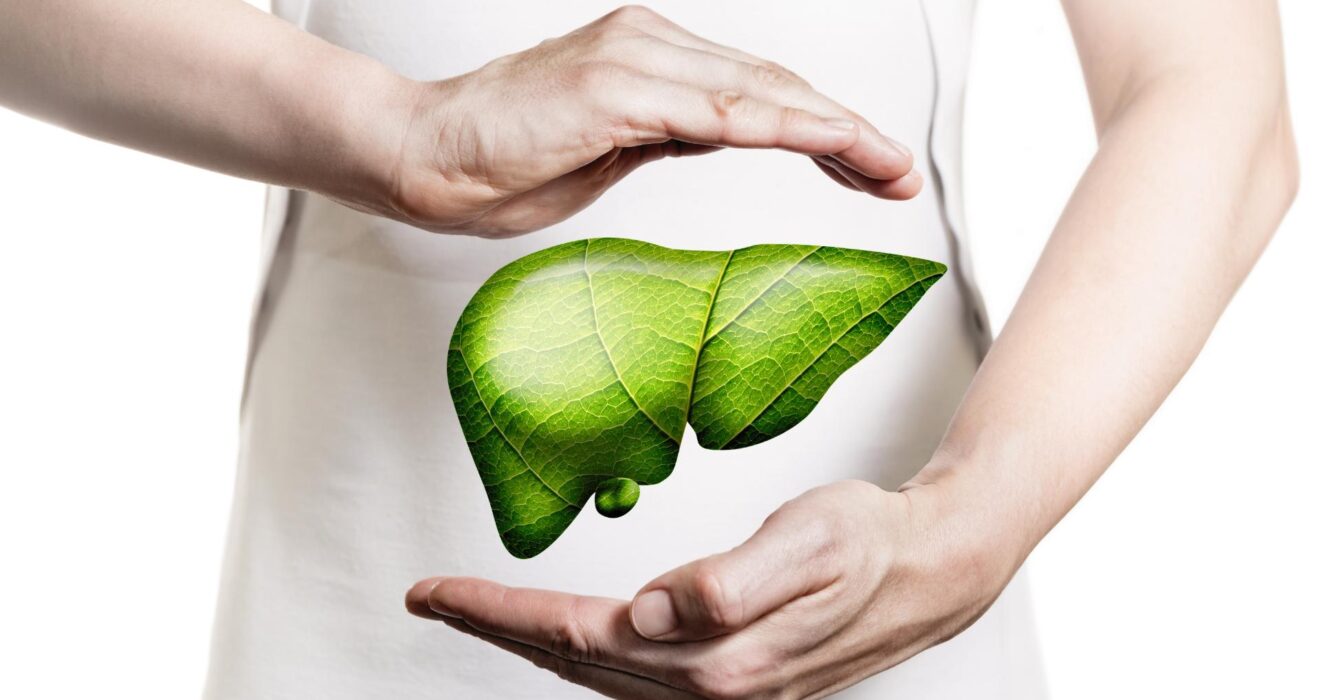
Fatty Liver in Young Adults – Why Cases Are Rising in Punjab
Introduction
Fatty liver disease is no longer considered a condition that affects only older adults or people with alcohol addiction. In recent years, doctors across Punjab have observed a significant rise in fatty liver disease among young adults in their 20s and 30s. Sedentary lifestyle, unhealthy eating habits, obesity, stress, and lack of physical activity are major reasons behind this growing health concern.
Many young individuals remain unaware of the condition because fatty liver often develops silently without noticeable symptoms in the early stages. If left untreated, it can progress to serious liver damage and long-term health complications.
Understanding the causes, symptoms, risks, and treatment of fatty liver disease is essential for maintaining long-term liver and digestive health.
What Is Fatty Liver Disease?
Fatty liver disease occurs when excess fat accumulates in liver cells. A small amount of fat in the liver is normal, but too much fat can affect liver function and lead to inflammation or liver damage.
There are two major types of fatty liver disease:
Alcoholic Fatty Liver Disease
Caused by excessive alcohol consumption.
Non-Alcoholic Fatty Liver Disease (NAFLD)
Occurs in people who consume little or no alcohol. This is the most common type seen in young adults today.
NAFLD is increasingly becoming a major health issue in Punjab due to changing lifestyle patterns and poor dietary habits.
Why Fatty Liver Cases Are Increasing in Punjab
Unhealthy Food Habits
Modern eating habits are one of the biggest reasons for rising fatty liver cases. Fast food, oily meals, sugary beverages, processed snacks, and junk food are now part of daily life for many young adults.
These foods are high in unhealthy fats and sugar, which increase fat accumulation in the liver.
Sedentary Lifestyle
Lack of physical activity is another major factor. Many young professionals and students spend long hours sitting in offices, using computers, or scrolling on mobile phones.
Reduced physical movement slows metabolism and promotes weight gain, increasing the risk of fatty liver disease.
Obesity and Weight Gain
Obesity is strongly linked to fatty liver disease. Excess body fat, especially around the abdomen, increases liver fat accumulation.
Even young adults with mild obesity or being overweight are at higher risk of developing fatty liver.
Increasing Stress Levels
Stress and poor mental health indirectly affect liver health. Stress often leads to unhealthy eating habits, lack of sleep, reduced physical activity, and hormonal imbalance.
Chronic stress can worsen metabolic health and contribute to fatty liver disease.
Diabetes and High Cholesterol
Young adults with diabetes, insulin resistance, or high cholesterol are more likely to develop fatty liver. These conditions disturb fat metabolism and increase liver inflammation.
With rising diabetes rates in Punjab, fatty liver cases are also increasing rapidly.
Symptoms of Fatty Liver Disease
One of the biggest challenges with fatty liver disease is that it often shows no symptoms in the early stages. Many people discover it accidentally during routine health check-ups or ultrasound scans.
However, some patients may experience:
- Fatigue and weakness
- Mild pain or heaviness in the upper abdomen
- Bloating and indigestion
- Loss of appetite
- Unexplained weight gain
- Difficulty concentrating
As the disease progresses, symptoms may become more severe.
Can Fatty Liver Become Dangerous?
Yes, fatty liver disease can become serious if ignored. In the early stage, fat accumulation may be reversible. However, long-term inflammation can damage liver cells and lead to complications.
Possible complications include:
Liver Inflammation (NASH)
Non-alcoholic steatohepatitis causes inflammation and liver cell damage.
Liver Fibrosis
Repeated inflammation leads to scar tissue formation in the liver.
Liver Cirrhosis
Advanced scarring affects liver function permanently.
Liver Failure
Severe liver damage may lead to life-threatening complications.
This is why early diagnosis and treatment are extremely important.
Fatty Liver in Non-Drinkers
Many young adults believe fatty liver occurs only due to alcohol consumption. However, non-alcoholic fatty liver disease is now more common than alcoholic liver disease.
Even individuals who never consume alcohol can develop fatty liver because of:
- Obesity
- Poor diet
- Diabetes
- High cholesterol
- Lack of exercise
This misconception often delays diagnosis and treatment.
Impact of Fatty Liver on Overall Health
Fatty liver does not affect only the liver. It also increases the risk of other health conditions such as:
- Heart disease
- Diabetes
- High blood pressure
- Obesity-related complications
- Metabolic syndrome
This makes fatty liver a major lifestyle disease requiring serious attention.
How Fatty Liver Is Diagnosed
The best gastroenterologist or liver specialist may recommend several tests to diagnose fatty liver disease, including:
Ultrasound
Helps detect fat accumulation in the liver.
Liver Function Tests (LFT)
Checks liver enzyme levels and liver health.
Fibroscan
Measures liver stiffness and fat content.
Blood Tests
Used to evaluate cholesterol, sugar levels, and liver inflammation.
Early diagnosis helps prevent progression to severe liver disease.
Can Fatty Liver Be Reversed?
The good news is that fatty liver disease can often be reversed in its early stages through lifestyle modifications and proper medical care.
The liver has the ability to heal itself if appropriate steps are taken early.
Best Lifestyle Changes for Fatty Liver
Healthy Diet
A balanced diet is one of the most effective ways to improve liver health.
Recommended foods include:
- Fruits and vegetables
- Whole grains
- Lean protein
- Nuts and seeds
- Fiber-rich foods
Avoid:
- Junk food
- Sugary drinks
- Fried foods
- Processed snacks
- Excessive carbohydrates
Regular Exercise
Physical activity helps burn excess fat and improves metabolism. Doctors recommend at least 30–45 minutes of exercise most days of the week.
Walking, cycling, yoga, and gym workouts can significantly improve liver health.
Weight Management
Losing even a small amount of body weight can reduce liver fat and inflammation. Healthy weight loss improves overall metabolic health.
Better Sleep and Stress Management
Good sleep and stress control are important for hormone balance and healthy metabolism.
Meditation, yoga, breathing exercises, and reducing screen time can help manage stress effectively.
Importance of Early Treatment
Ignoring fatty liver disease can lead to long-term liver complications. Early treatment helps:
- Prevent liver damage
- Improve digestion
- Reduce inflammation
- Improve energy levels
- Prevent diabetes and heart disease
Regular health check-ups are important, especially for overweight individuals and people with family history of liver disease.
Preventing Fatty Liver in Young Adults
Preventive care is essential in today’s lifestyle. Young adults can reduce their risk of fatty liver by:
- Eating healthy meals
- Avoiding excessive junk food
- Exercising regularly
- Maintaining healthy body weight
- Reducing stress
- Avoiding smoking and alcohol
- Staying hydrated
Simple lifestyle changes can make a major difference in long-term liver health.
When Should You Consult a Liver Specialist?
You should consult a gastroenterologist or liver specialist if you experience:
- Persistent fatigue
- Unexplained weight gain
- Frequent bloating or indigestion
- Elevated liver enzymes
- Abdominal discomfort
- Obesity or diabetes-related concerns
Early consultation helps prevent complications and ensures proper treatment.
Conclusion
Fatty liver disease is rapidly increasing among young adults in Punjab due to unhealthy lifestyle habits, obesity, stress, and poor dietary patterns. Although the condition often develops silently, it can lead to serious liver complications if ignored.
The good news is that fatty liver can often be controlled and reversed through healthy lifestyle changes, early diagnosis, and proper medical care. Awareness and preventive measures are essential for protecting long-term liver health.
Maintaining a balanced diet, staying physically active, managing stress, and undergoing regular health check-ups are the best ways to prevent fatty liver disease.
For expert liver care and advanced gastroenterology treatment, visit
👉 https://dramandeep.com/