Stomach Pain After Eating – Causes and Treatment in Mohali
Stomach pain after eating is a common digestive complaint experienced by people of all age groups. While occasional discomfort may not be a cause for concern, persistent or severe pain after meals can indicate an underlying gastrointestinal problem. In regions like Mohali and Chandigarh, changing dietary habits, fast food consumption, and sedentary lifestyles have significantly increased digestive disorders. Understanding the causes, symptoms, and treatment options can help individuals seek timely medical care and prevent complications.
What Does Stomach Pain After Eating Indicate?
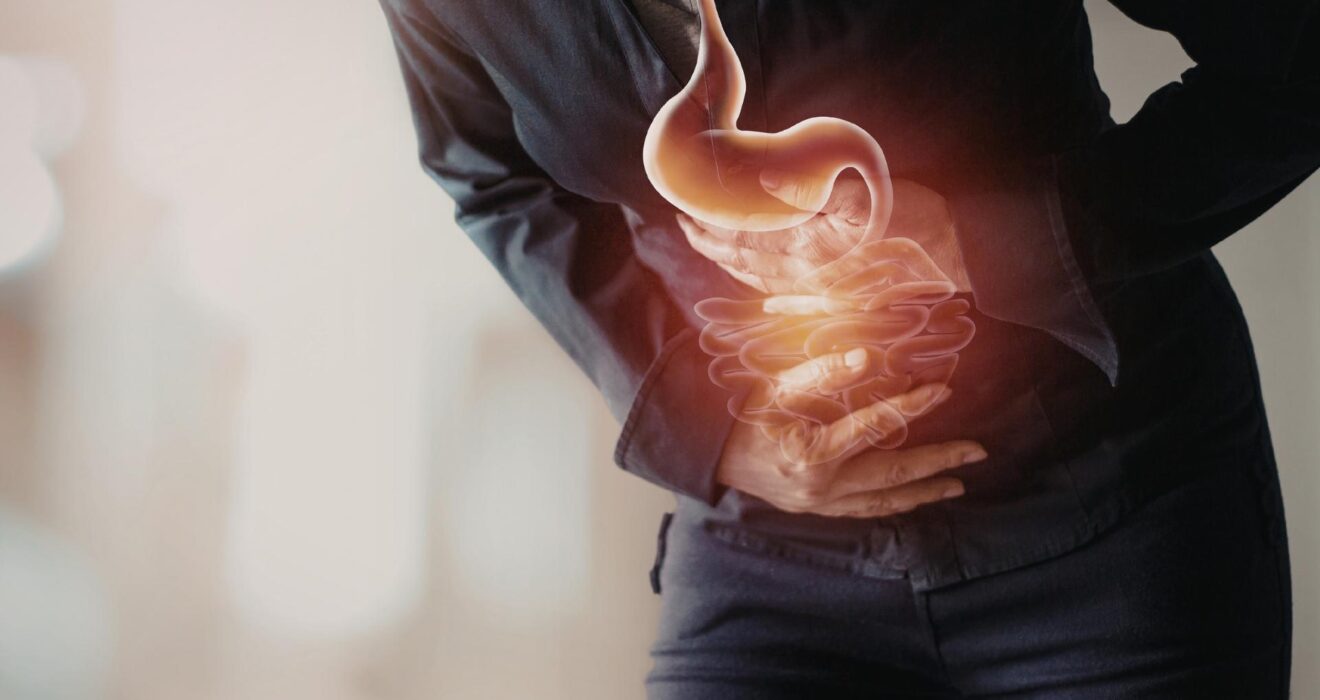
Pain in the abdomen after eating can vary from mild discomfort to severe cramping. It may occur immediately after meals or a few hours later, depending on the underlying cause. The nature and location of the pain often provide clues about the affected organ, such as the stomach, gallbladder, pancreas, or intestines.
Common Causes of Stomach Pain After Eating
Several digestive conditions can lead to abdominal pain after meals. These include gastritis, acid reflux, gallstones, pancreatitis, irritable bowel syndrome, food intolerances, and stomach ulcers. Identifying the exact cause is essential for effective treatment.
Gastritis and Stomach Inflammation
Gastritis is one of the most common causes of pain after eating. It occurs due to inflammation of the stomach lining, often triggered by spicy food, alcohol, stress, or infections. Patients may experience burning pain, bloating, nausea, and a feeling of fullness.
Acid Reflux and GERD
Acid reflux happens when stomach acid flows back into the esophagus. This can cause a burning sensation in the chest or upper abdomen after meals. Chronic acid reflux, known as GERD, may lead to persistent discomfort and requires medical treatment.
Gallbladder Stones and Digestive Pain
Gallstones can cause sharp pain in the upper right abdomen, especially after consuming fatty or oily food. The pain may radiate to the back or shoulder and can last for several hours. In many cases, surgical removal of the gallbladder is required for permanent relief.
Peptic Ulcers
Peptic ulcers are sores that develop on the inner lining of the stomach or small intestine. They can cause burning pain that worsens after eating or when the stomach is empty. Untreated ulcers may lead to complications such as bleeding.
Pancreatitis and Severe Abdominal Pain
Pancreatitis is inflammation of the pancreas and can cause intense pain after eating, especially heavy meals. It is often associated with nausea, vomiting, and fever. Immediate medical attention is required in such cases.
Food Intolerances and Allergies
Some individuals experience stomach pain due to food intolerances such as lactose intolerance or gluten sensitivity. These conditions can cause bloating, gas, diarrhea, and abdominal discomfort after consuming certain foods.
Irritable Bowel Syndrome (IBS)
IBS is a functional digestive disorder that causes abdominal pain, bloating, and changes in bowel habits. Symptoms often worsen after eating and may be triggered by stress or specific foods.
When Should You Worry About Stomach Pain?
Occasional mild pain may not require immediate attention, but persistent or severe symptoms should not be ignored. Warning signs include unexplained weight loss, vomiting, blood in stool, severe abdominal pain, and difficulty swallowing. These symptoms require prompt evaluation by a specialist.
Diagnosis of the Underlying Cause
Accurate diagnosis is essential for proper treatment. Doctors may recommend blood tests, ultrasound, endoscopy, or CT scans to identify the exact cause of the pain. Early diagnosis helps prevent complications and ensures effective management.
Treatment Options for Stomach Pain
Treatment depends on the underlying cause. Mild conditions may be managed with medications, dietary changes, and lifestyle modifications. More serious conditions such as gallstones, hernia, or ulcers may require surgical intervention.
Role of Medications
Doctors may prescribe antacids, proton pump inhibitors, antibiotics, or digestive enzymes depending on the condition. These medications help reduce inflammation, control acid production, and improve digestion.
Importance of Dietary Changes
Diet plays a crucial role in managing stomach pain. Avoiding spicy, oily, and processed foods can reduce symptoms. Including fiber-rich foods, fruits, vegetables, and whole grains supports healthy digestion.
Lifestyle Modifications for Better Digestion
Regular exercise, stress management, and maintaining a healthy weight improve overall digestive health. Eating smaller meals, avoiding late-night eating, and staying hydrated also help prevent discomfort after meals.
Advanced Surgical Treatment in Mohali
For conditions like gallstones, hernias, or severe GERD, laparoscopic surgery offers a safe and effective solution. Minimally invasive procedures ensure faster recovery, less pain, and minimal scarring.
Preventing Stomach Pain After Eating
Preventive measures include maintaining a balanced diet, avoiding overeating, limiting alcohol consumption, and managing stress. Regular health check-ups help detect problems early and prevent complications.
Importance of Consulting a Specialist
Self-medication or ignoring symptoms can worsen the condition. Consulting a qualified gastro specialist ensures accurate diagnosis and appropriate treatment. Early medical intervention leads to better outcomes and faster recovery.
Post-Treatment Care and Follow-Up
Following the doctor’s advice after treatment is essential for long-term relief. Regular follow-ups, adherence to medications, and maintaining a healthy lifestyle help prevent recurrence of symptoms.
Growing Digestive Health Concerns in Mohali
With increasing urbanization and lifestyle changes, digestive disorders are becoming more common in Mohali. Awareness about symptoms and early treatment is crucial for maintaining good health.
Conclusion
Stomach pain after eating can be caused by various digestive conditions ranging from mild gastritis to serious issues like gallstones or pancreatitis. Understanding the symptoms and seeking timely medical care is essential for effective treatment. With the availability of advanced diagnostic and surgical options in Mohali, patients can receive accurate diagnosis and personalized care. Maintaining a healthy lifestyle, balanced diet, and regular medical check-ups can help prevent digestive problems and ensure long-term well-being.