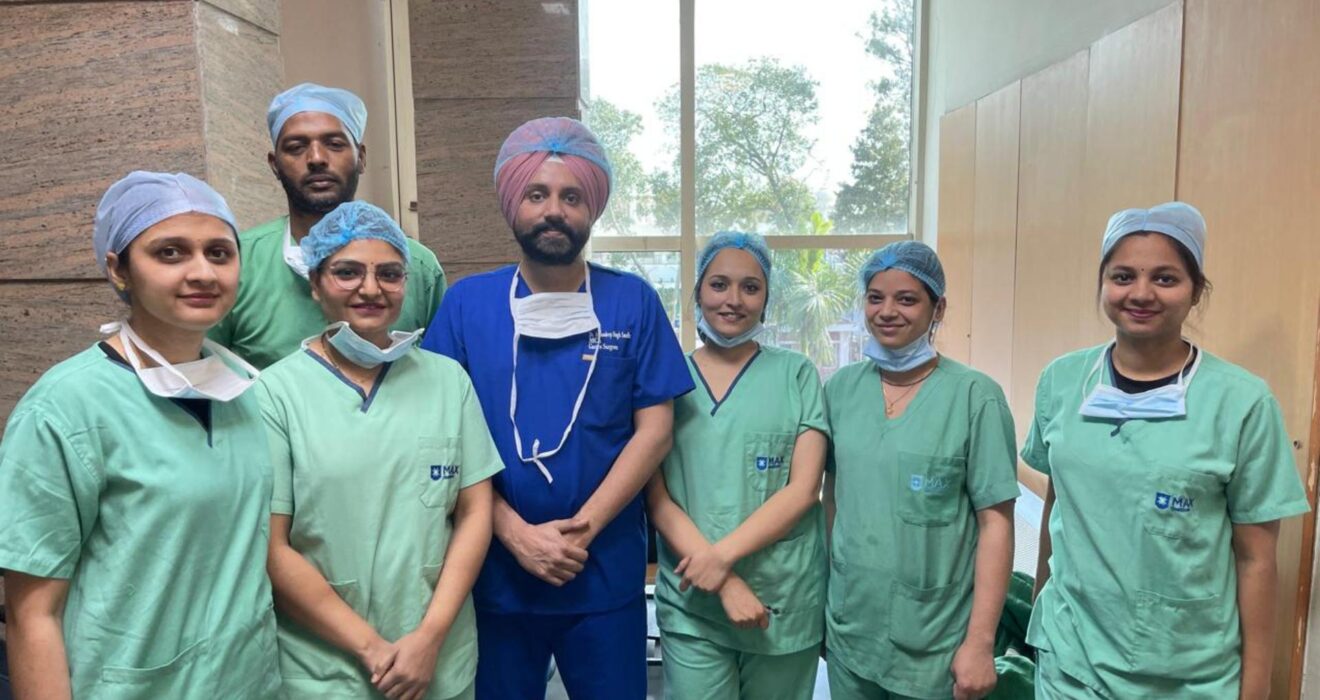
Hernia Surgery in Chandigarh – Open vs Laparoscopic Repair
Hernia is a common surgical condition that affects people of all ages. It occurs when an internal organ or tissue pushes through a weak spot in the surrounding muscle or connective tissue. Many patients in Chandigarh and nearby regions ignore early symptoms such as swelling or mild discomfort, assuming it is not serious. However, untreated hernias can enlarge over time and may lead to complications. Understanding the difference between open and laparoscopic hernia surgery helps patients make informed decisions about treatment.
What Is a Hernia?
A hernia typically develops in the abdominal wall. It may appear as a visible bulge that becomes more noticeable when coughing, lifting heavy objects, or straining. Common types include inguinal hernia, umbilical hernia, incisional hernia, and hiatal hernia. While some hernias cause mild discomfort, others can lead to severe pain and digestive issues.
Common Causes of Hernia
Hernias develop due to muscle weakness combined with strain. Factors such as heavy lifting, chronic cough, constipation, obesity, pregnancy, previous abdominal surgery, and aging increase the risk. In some cases, congenital weakness in the abdominal wall may also contribute.
Symptoms You Should Not Ignore
Typical symptoms include a visible bulge, pain while bending or lifting, burning sensation at the affected site, heaviness in the abdomen, and discomfort after prolonged standing. If the hernia becomes strangulated, symptoms such as severe pain, vomiting, and redness over the swelling may occur. This is a medical emergency requiring immediate surgery.
Why Surgery Is the Only Permanent Treatment
Unlike some medical conditions that can be managed with medication, hernias do not heal on their own. Support belts and lifestyle changes may temporarily reduce discomfort but cannot repair the muscle defect. Surgical repair is the only permanent solution to prevent complications and recurrence.
Open Hernia Surgery Explained
Open hernia surgery is the traditional method used for decades. In this procedure, the surgeon makes a single larger incision over the hernia site. The protruding tissue is pushed back into place, and the weakened muscle wall is repaired, often using a surgical mesh for reinforcement.
Advantages of Open Hernia Repair
Open surgery is effective and suitable for large or complicated hernias. It may be preferred in cases where the patient cannot undergo general anesthesia. The technique is widely available and has proven long-term results when performed by an experienced surgeon.
Limitations of Open Hernia Surgery
Open repair involves a larger incision, which may result in more post-operative pain and a longer recovery period. Hospital stay can be slightly extended compared to minimally invasive techniques. There may also be a higher risk of wound infection or noticeable scarring.
Understanding Laparoscopic Hernia Surgery
Laparoscopic hernia surgery is a minimally invasive technique performed using small incisions. A thin instrument with a camera, known as a laparoscope, is inserted through one incision. Surgical tools are introduced through additional small cuts to repair the hernia using mesh placement.
Benefits of Laparoscopic Hernia Repair
Laparoscopic surgery offers several advantages, including smaller incisions, minimal scarring, reduced pain, shorter hospital stay, and quicker return to daily activities. Patients often resume work and routine life faster compared to open surgery. The risk of infection is also generally lower.
Who Is an Ideal Candidate for Laparoscopic Surgery?
Patients with bilateral hernias, recurrent hernias, or those seeking faster recovery may benefit more from laparoscopic repair. However, the decision depends on overall health, size of hernia, previous surgeries, and surgeon expertise.
Comparing Pain and Recovery
Post-operative pain is usually less with laparoscopic surgery due to smaller incisions. Open surgery patients may require longer rest before resuming normal activities. Recovery time varies but typically ranges from one to two weeks for laparoscopic repair and slightly longer for open repair.
Risk of Recurrence
Both open and laparoscopic hernia surgeries have low recurrence rates when performed by experienced surgeons. Proper mesh placement, surgical technique, and adherence to post-operative instructions play crucial roles in preventing recurrence.
Cost Considerations
The cost of hernia surgery in Chandigarh may vary depending on hospital facilities, surgeon experience, type of mesh used, and surgical technique. Laparoscopic surgery may have slightly higher upfront costs due to advanced equipment, but faster recovery can reduce indirect expenses like prolonged leave from work.
Importance of Choosing an Experienced Surgeon
The success of hernia repair largely depends on the surgeon’s expertise. An experienced laparoscopic surgeon ensures precise mesh placement, minimal complications, and faster healing. Patients should evaluate qualifications, surgical experience, and hospital infrastructure before making a decision.
Possible Complications of Hernia Surgery
Although hernia surgery is generally safe, potential risks include infection, bleeding, chronic pain, mesh-related issues, and recurrence. Choosing a skilled surgeon and following post-operative care guidelines significantly reduce these risks.
Post-Surgery Care and Lifestyle Changes
After hernia surgery, patients are advised to avoid heavy lifting for a few weeks. Maintaining a healthy weight, treating chronic cough, preventing constipation, and strengthening abdominal muscles can prevent recurrence. Regular follow-up appointments help monitor healing progress.
When to Seek Immediate Medical Help
If you experience severe pain, fever, redness, swelling, vomiting, or difficulty passing stool after surgery, consult your doctor immediately. Early management prevents serious complications.
Making the Right Choice in Chandigarh
Both open and laparoscopic hernia repairs are safe and effective when performed by experienced surgeons. The choice depends on individual health condition, type of hernia, and personal preferences. A detailed consultation with a qualified gastro and laparoscopic surgeon helps determine the best approach.
Conclusion
Hernia surgery in Chandigarh has advanced significantly with modern surgical techniques. While open surgery remains a reliable option, laparoscopic repair offers faster recovery and minimal discomfort for many patients. Understanding the differences between the two procedures empowers patients to make informed decisions. Early treatment not only relieves symptoms but also prevents serious complications, ensuring a healthier and more comfortable life.