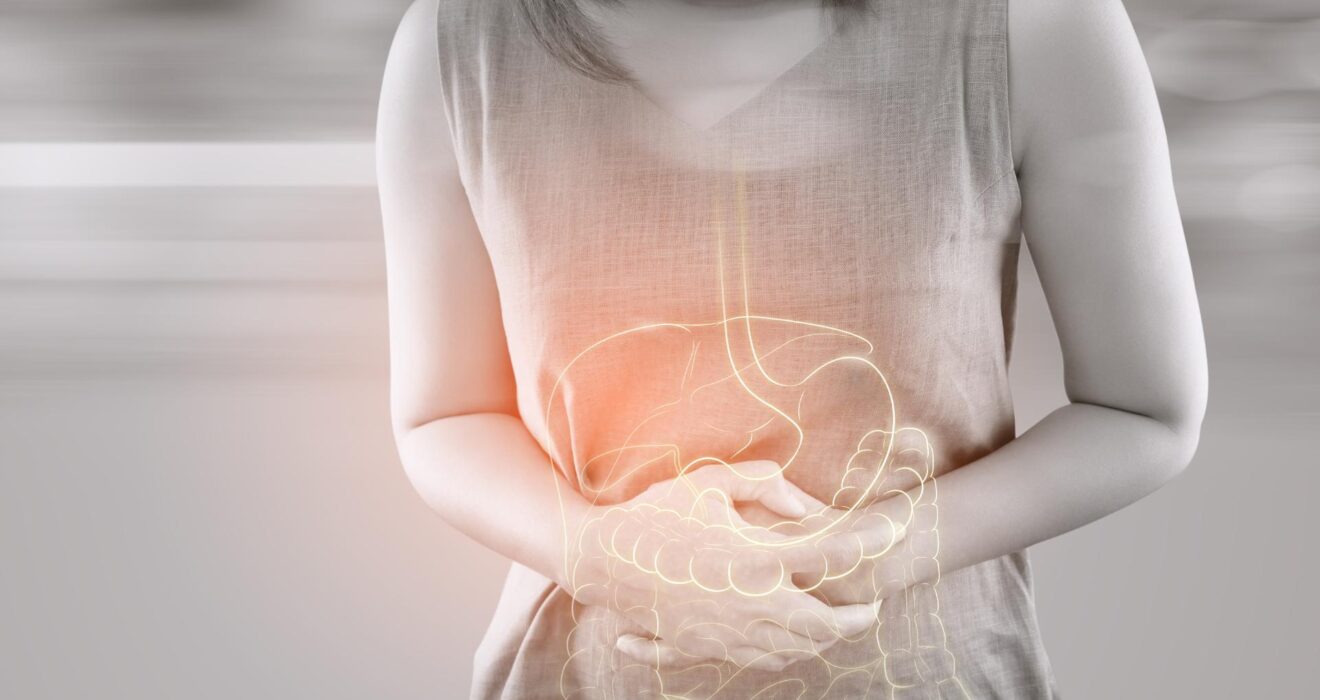
Gas, Bloating & Indigestion – Modern Lifestyle Impact in Punjab
Digestive problems such as gas, bloating, and indigestion have become increasingly common in Punjab, especially among young adults and working professionals. What was once considered an occasional discomfort is now a frequent complaint due to modern lifestyle changes. Busy schedules, unhealthy eating habits, stress, and lack of physical activity are major contributors to these digestive issues. Understanding the root causes and adopting healthier habits can help manage and prevent these problems effectively.
Understanding Gas, Bloating, and Indigestion
Gas, bloating, and indigestion are closely related digestive conditions that affect the gastrointestinal system. Gas forms in the digestive tract during the breakdown of food, while bloating refers to a feeling of fullness or swelling in the abdomen. Indigestion, also known as dyspepsia, includes symptoms such as discomfort, burning sensation, and heaviness after eating.
These conditions can occur occasionally in anyone, but frequent symptoms may indicate an underlying digestive disorder that requires medical attention.
Why Digestive Issues Are Rising in Punjab
Punjab has seen significant lifestyle changes in recent years. Traditional diets are increasingly replaced with fast food, processed meals, and high-calorie snacks. Long working hours, irregular eating patterns, and increased stress levels have negatively impacted digestive health.
Urbanization and sedentary lifestyles have reduced physical activity, slowing down metabolism and digestion. As a result, more individuals are experiencing chronic digestive problems at a younger age.
Role of Unhealthy Eating Habits
Diet plays a major role in digestive health. Frequent consumption of spicy, oily, and fried foods can irritate the stomach lining and lead to indigestion. Processed foods high in preservatives and artificial ingredients can disrupt gut function and increase gas formation.
Eating too quickly, overeating, and skipping meals are common habits that contribute to digestive discomfort. Late-night eating, which is becoming increasingly common, can also affect digestion and lead to acidity and bloating.
Impact of Fast Food and Processed Diet
Fast food culture has become deeply rooted in urban areas of Punjab. Foods such as burgers, pizzas, fried snacks, and sugary drinks are easily accessible and often consumed regularly. These foods are low in fiber and high in unhealthy fats, which slow down digestion and promote gas formation.
A lack of dietary fiber can lead to constipation, which further contributes to bloating and discomfort. Over time, these habits can lead to chronic digestive issues.
Sedentary Lifestyle and Its Effects
A sedentary lifestyle is one of the biggest contributors to digestive problems. Sitting for long hours, minimal physical activity, and lack of exercise slow down the digestive process. This can lead to gas buildup, bloating, and constipation.
Regular movement helps stimulate digestion and improve bowel function. Without adequate physical activity, the digestive system becomes sluggish, leading to discomfort after meals.
Stress and Gut Health Connection
Stress is a major factor affecting digestive health. The gut and brain are closely connected, and emotional stress can disrupt normal digestive function. Anxiety, work pressure, and mental fatigue can lead to symptoms such as stomach cramps, bloating, and irregular bowel movements.
Chronic stress can also worsen conditions like irritable bowel syndrome, making digestive symptoms more severe and frequent.
Irregular Sleep Patterns and Digestion
Sleep plays an important role in maintaining overall health, including digestion. Irregular sleep schedules, late-night screen time, and insufficient rest can disrupt the body’s natural processes.
Poor sleep can affect metabolism, increase acid production, and contribute to indigestion. Maintaining a regular sleep routine is essential for proper digestive function.
Common Symptoms to Watch
Gas, bloating, and indigestion can present with various symptoms. These include abdominal fullness, excessive burping, flatulence, stomach pain, nausea, and a feeling of heaviness after meals. Some individuals may also experience acid reflux or heartburn.
While occasional symptoms are normal, persistent or severe discomfort should not be ignored.
When to Seek Medical Attention
If digestive symptoms occur frequently or interfere with daily life, it is important to consult a specialist. Warning signs include severe abdominal pain, unexplained weight loss, vomiting, blood in stool, and persistent constipation or diarrhea.
Early diagnosis helps identify the underlying cause and prevents complications.
Diagnosing Digestive Problems
Doctors may recommend various tests to diagnose digestive issues. These include blood tests, ultrasound, endoscopy, or colonoscopy. These tests help identify conditions such as gastritis, ulcers, gallstones, or intestinal disorders.
Accurate diagnosis is essential for effective treatment and long-term relief.
Treatment Options for Gas and Indigestion
Treatment depends on the underlying cause of the symptoms. Mild cases can often be managed with lifestyle changes and medications. Antacids, digestive enzymes, and medications to reduce acid production are commonly used.
In some cases, treating the root cause, such as infection or food intolerance, is necessary for long-term relief.
Importance of Dietary Changes
A healthy diet is key to managing digestive problems. Including fiber-rich foods such as fruits, vegetables, and whole grains can improve digestion and prevent constipation. Avoiding spicy, oily, and processed foods can reduce symptoms.
Eating smaller meals at regular intervals helps prevent overeating and reduces strain on the digestive system.
Role of Hydration
Drinking adequate water is essential for proper digestion. Water helps break down food and prevents constipation. Dehydration can slow down digestion and lead to bloating.
Consuming warm fluids such as herbal teas can also help soothe the digestive system.
Benefits of Regular Exercise
Physical activity plays a crucial role in maintaining digestive health. Regular exercise helps improve metabolism, stimulate bowel movements, and reduce stress.
Simple activities such as walking, jogging, or yoga can significantly improve digestion and reduce symptoms of gas and bloating.
Managing Stress for Better Digestion
Stress management is essential for maintaining gut health. Techniques such as meditation, deep breathing, and relaxation exercises can help reduce stress and improve digestion.
Taking breaks from work and maintaining a balanced lifestyle can also contribute to better digestive health.
Preventing Digestive Problems
Preventing gas, bloating, and indigestion requires consistent healthy habits. Eating a balanced diet, staying active, managing stress, and maintaining regular sleep patterns are key steps.
Avoiding excessive consumption of fast food, sugary drinks, and alcohol can significantly reduce the risk of digestive issues.
Long-Term Impact of Ignoring Symptoms
Ignoring digestive problems can lead to chronic conditions and complications. Persistent indigestion may indicate underlying issues such as ulcers, gallstones, or gastrointestinal disorders.
Untreated digestive problems can affect nutrient absorption and overall health, leading to fatigue and weakness.
Importance of Awareness in Punjab
With the rising prevalence of digestive disorders in Punjab, awareness about healthy lifestyle choices is crucial. Educating individuals about the impact of diet and lifestyle on digestion can help prevent these issues.
Regular health check-ups and early consultation with specialists can ensure timely diagnosis and effective treatment.
Conclusion
Gas, bloating, and indigestion are common digestive problems that are increasingly affecting people in Punjab due to modern lifestyle changes. Unhealthy eating habits, sedentary routines, stress, and poor sleep are major contributing factors. While these issues may seem minor, they can significantly impact quality of life if left untreated.
Adopting a healthy lifestyle, making dietary improvements, and seeking timely medical advice can help manage and prevent these conditions effectively. With the right approach, individuals can achieve better digestive health and overall well-being.