Laparoscopic Surgeon Near Kharar: Common Conditions Treated With Minimally Invasive Surgery
Introduction
Minimally invasive surgery has transformed the treatment of many abdominal and gastrointestinal conditions. With advances in surgical techniques and medical technology, patients can now undergo several procedures through small incisions instead of traditional large cuts. These procedures are commonly known as laparoscopic surgeries and are associated with benefits such as reduced incision size, less postoperative discomfort in many cases, shorter hospital stays, and a faster return to daily activities.
For people searching for a laparoscopic surgeon near Kharar, understanding the conditions treated with minimally invasive surgery can help them make informed decisions about their healthcare. Laparoscopic surgery is used for a variety of conditions involving the gallbladder, appendix, abdominal wall, stomach, intestines, and other organs. However, the suitability of this approach depends on the patient’s medical condition, previous surgical history, and overall health.
Dr. Amandeep Singh Sandhu provides gastrointestinal and laparoscopic surgical care for patients from Mohali, Chandigarh, Kharar, and surrounding areas. Patients experiencing persistent abdominal pain, digestive symptoms, or a diagnosed surgical condition should consult a qualified specialist to determine the most appropriate treatment.
What Is Minimally Invasive or Laparoscopic Surgery?
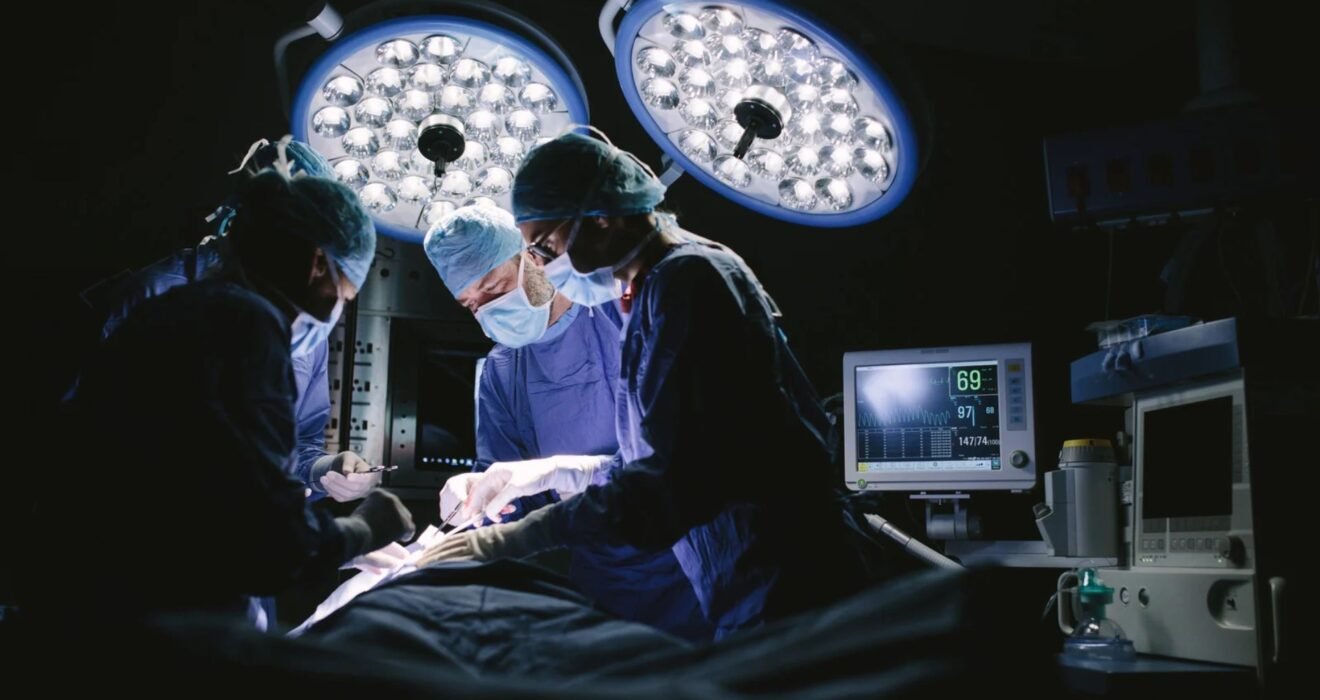
Laparoscopic surgery is a surgical technique in which a surgeon operates through small incisions using a thin instrument called a laparoscope. This instrument contains a camera and light source that allow the surgical team to view the operating area on a monitor. Specialised instruments are inserted through additional small openings to perform the required procedure.
In many laparoscopic operations, the abdomen is gently inflated with carbon dioxide gas to create enough space for the surgeon to work safely. The instruments are then used to treat the affected organ or tissue. At the end of the procedure, the instruments are removed and the small incisions are closed.
Unlike conventional open surgery, which may require a larger incision, laparoscopic surgery generally involves smaller cuts. Depending on the procedure and the patient’s condition, this can mean less wound discomfort, smaller scars, and a quicker recovery.
Not every condition can be treated laparoscopically. Some patients may require open surgery because of extensive disease, severe inflammation, complications, or other clinical considerations. The surgeon will explain the available options after evaluating the patient.
Common Conditions Treated by a Laparoscopic Surgeon Near Kharar
1. Gallbladder Stones
Gallstones are hardened deposits that develop inside the gallbladder. Some people have no symptoms, while others experience pain in the upper right or central abdomen, particularly after eating a heavy or fatty meal. Nausea, vomiting, and pain that spreads towards the back or right shoulder may also occur.
When gallstones cause repeated symptoms or complications, a surgeon may recommend gallbladder removal, known as cholecystectomy. Laparoscopic cholecystectomy is a commonly performed minimally invasive procedure in which the gallbladder is removed through small incisions.
Patients searching for a gallbladder surgeon near Kharar or Mohali should seek medical assessment if they experience recurring abdominal pain. Fever, jaundice, or severe, persistent pain requires prompt medical attention because these symptoms may indicate a complication.
2. Appendicitis
Appendicitis occurs when the appendix becomes inflamed. It often causes abdominal pain that may begin around the belly button and move towards the lower right side. Other symptoms can include loss of appetite, nausea, vomiting, and fever.
Appendicitis can become serious if the appendix ruptures, so suspected cases require urgent evaluation. Surgical removal of the appendix, called an appendectomy, is a standard treatment in many cases.
Laparoscopic appendectomy uses small incisions and a camera to remove the inflamed appendix. The appropriate surgical approach depends on the severity of inflammation, whether the appendix has ruptured, and the patient’s overall condition.
People near Kharar who develop sudden or worsening abdominal pain should not delay assessment while trying home remedies.
3. Inguinal and Abdominal Hernias
A hernia develops when an internal organ or tissue pushes through a weakened area in the surrounding muscle or connective tissue. Hernias may occur in the groin, around the navel, or at a previous surgical incision. Common symptoms include a visible lump, discomfort when lifting objects, and pain during coughing, bending, or physical activity.
A laparoscopic hernia repair may be suitable for selected patients. During the procedure, the surgeon repairs the weakened area, often using surgical mesh where appropriate. The exact technique depends on the type and size of the hernia, previous operations, and the patient’s medical history.
A laparoscopic surgeon near Kharar can assess whether minimally invasive hernia repair is suitable and explain the potential benefits and risks. A hernia that suddenly becomes very painful, firm, or impossible to push back, particularly with vomiting or abdominal swelling, requires emergency medical evaluation.
4. Hiatal Hernia and Gastroesophageal Reflux Disease
A hiatal hernia occurs when part of the stomach moves upwards through the diaphragm into the chest. It can contribute to acid reflux, heartburn, regurgitation, and discomfort after meals. However, many people with a hiatal hernia do not experience significant symptoms.
Most cases of acid reflux are initially managed with lifestyle changes and medication. Surgery may be considered for selected patients who have persistent, troublesome reflux despite appropriate treatment or specific anatomical problems confirmed through investigations.
When indicated, laparoscopic surgery may be used to repair a hiatal hernia or perform an anti-reflux procedure. Before recommending surgery, the specialist may arrange investigations such as endoscopy, reflux monitoring, or oesophageal function testing.
Patients experiencing frequent heartburn, difficulty swallowing, or ongoing upper abdominal discomfort should receive an accurate diagnosis rather than assuming that every digestive symptom requires surgery.
5. Intestinal Obstruction
An intestinal obstruction occurs when the normal movement of food, fluids, and gas through the bowel becomes blocked or significantly restricted. Causes include adhesions from previous surgery, hernias, twisting of the bowel, and certain growths.
Symptoms may include cramping abdominal pain, swelling, vomiting, constipation, and inability to pass gas. A bowel obstruction can be a medical emergency, particularly when the blood supply to the intestine is affected.
Treatment depends on the cause and severity. Some patients may be managed with hospital-based treatment and observation, while others require an operation. In selected cases, minimally invasive surgery may be possible, but severe distension, complex adhesions, or compromised bowel tissue may require an open approach.
Severe abdominal pain with persistent vomiting or inability to pass stool or gas warrants urgent medical attention.
6. Selected Stomach Conditions
Certain stomach conditions may require surgery when medication, dietary changes, or other treatments are insufficient or when complications develop. Depending on the diagnosis, laparoscopic techniques may be used for selected procedures involving the stomach.
Examples include certain complicated peptic ulcer conditions, selected stomach tumours, and some procedures for severe obesity. The specific operation varies according to the underlying disease.
Before recommending surgery, a specialist may use endoscopy, imaging, blood tests, and tissue sampling where appropriate. Not all ulcers or stomach problems require an operation. Treatment should be based on the confirmed diagnosis and the patient’s individual needs.
7. Colorectal Conditions
The colon and rectum are parts of the large intestine that play important roles in digestion and bowel function. Some colorectal conditions, including selected colorectal cancers, diverticular disease, and certain bowel complications, may require surgery.
Minimally invasive colorectal surgery uses small incisions and specialised instruments to operate on the affected section of the bowel. Potential advantages may include smaller wounds and a shorter recovery for appropriately selected patients, although outcomes depend on the disease and the procedure.
Symptoms such as persistent changes in bowel habits, unexplained weight loss, ongoing abdominal pain, or blood in the stool should be medically evaluated. These symptoms can have several causes and should not automatically be attributed to piles or minor digestive problems.
8. Liver, Pancreatic, and Biliary Conditions
Some conditions affecting the liver, pancreas, and bile ducts may be treated surgically. These include selected cysts, tumours, and complications involving the biliary system. However, the complexity of these operations varies considerably.
Not every liver or pancreatic condition is suitable for laparoscopic surgery. The decision depends on the size and location of the problem, its relationship to nearby blood vessels and organs, the stage of the disease, and the surgeon’s expertise and available facilities.
Patients with persistent upper abdominal pain, jaundice, unexplained weight loss, or abnormal liver-related test results should undergo appropriate investigation. A specialist can determine whether medication, observation, an endoscopic procedure, or surgery is required.
9. Selected Bariatric Surgery Procedures
Bariatric surgery is used to treat obesity in eligible patients when clinically appropriate. Procedures such as sleeve gastrectomy and gastric bypass may be performed laparoscopically in suitable cases.
These operations change the stomach’s capacity, digestive anatomy, or both, helping selected patients achieve meaningful weight loss and improve obesity-related health conditions. However, bariatric surgery is not appropriate for everyone and requires careful assessment, preparation, and long-term follow-up.
Patients considering weight-loss surgery should discuss eligibility, potential complications, nutritional requirements, lifestyle changes, and long-term monitoring with a qualified bariatric team.
Benefits of Minimally Invasive Surgery
Laparoscopic surgery offers several potential benefits compared with traditional open surgery, although the results vary according to the procedure and the patient’s health.
Smaller Incisions
Laparoscopic operations usually require several small incisions rather than one large incision. This can result in smaller visible scars and less wound-related discomfort for many patients.
Potentially Faster Recovery
Some patients can resume routine activities sooner after laparoscopic surgery than after comparable open procedures. Recovery time depends on the type of operation, the severity of the underlying condition, and individual healing.
Shorter Hospital Stay
Selected laparoscopic procedures may allow patients to leave the hospital sooner. The discharge decision depends on pain control, the ability to eat and drink, mobility, and the absence of complications.
Reduced Wound Complications in Some Procedures
Smaller incisions may reduce certain wound-related problems in appropriate cases. However, laparoscopic surgery still carries risks, including bleeding, infection, injury to nearby organs, and complications related to anaesthesia.
Improved Visualisation
The laparoscope provides a magnified view of the operating area on a monitor. This allows the surgeon to examine structures closely and perform the procedure using specialised instruments.
The surgeon should explain the expected benefits, limitations, and risks for the particular operation being considered.
How Is the Right Surgical Treatment Decided?
Choosing the correct treatment involves more than selecting between laparoscopic and open surgery. A surgeon must understand the patient’s symptoms, medical history, examination findings, and diagnostic results.
The evaluation may include blood tests, ultrasound, CT scans, MRI, endoscopy, or other investigations depending on the suspected condition. Not every patient needs every test.
The surgeon will consider factors such as the severity of the disease, previous abdominal operations, existing medical conditions, and whether the operation can be performed safely using a minimally invasive approach.
Patients should ask about the purpose of the proposed surgery, alternatives, likely recovery period, possible complications, and any preparation required before the operation. A second opinion may also be appropriate for complex or major procedures.
Recovery After Laparoscopic Surgery
Recovery varies according to the operation performed. Many patients are encouraged to walk soon after surgery, as advised by their medical team. Early movement can help reduce the risk of certain postoperative complications.
Patients should follow instructions about wound care, pain medication, diet, hydration, and activity restrictions. Heavy lifting and strenuous exercise may need to be avoided for a specified period, especially after hernia or abdominal wall surgery.
Some temporary bloating, mild discomfort, or tiredness may occur after certain procedures. However, worsening abdominal pain, persistent vomiting, fever, increasing redness or discharge from a wound, breathing difficulty, or jaundice should be reported promptly. Severe symptoms require urgent medical assessment.
Follow-up appointments allow the surgeon to review healing, discuss test results, and guide the return to normal activities.
When Should You Consult a Laparoscopic Surgeon Near Kharar?
Consider consulting a qualified surgeon if you have recurring gallbladder pain, a diagnosed hernia, suspected appendicitis, persistent abdominal symptoms requiring investigation, or a condition for which surgery has been recommended.
You should seek urgent care for sudden severe abdominal pain, persistent vomiting, a painful hernia that cannot be pushed back, vomiting blood, black tarry stools, or abdominal swelling accompanied by an inability to pass stool or gas.
Patients from Kharar, Mohali, Chandigarh, Kurali, Landran, Sunny Enclave, and nearby areas may seek specialist advice for gastrointestinal and laparoscopic surgical conditions. The appropriate specialist depends on the problem: some liver and digestive diseases are primarily managed by gastroenterologists or hepatologists, while conditions requiring an operation are assessed by a relevant surgeon.
Laparoscopic and Gastrointestinal Surgical Care Near Kharar
Patients looking for a laparoscopic surgeon near Kharar often want clear information about their diagnosis, available treatments, and expected recovery. Dr. Amandeep Singh Sandhu provides gastrointestinal and laparoscopic surgical care for patients from Mohali, Chandigarh, and surrounding areas.
His clinical focus includes the evaluation and surgical management of selected gastrointestinal and abdominal conditions. Treatment recommendations should be individualised according to the patient’s symptoms, diagnostic findings, overall health, and the suitability of the proposed procedure.
To learn more about available surgical services and arrange a consultation, visit the official website: https://dramandeep.com/.
Whether you are seeking advice about gallbladder stones, hernia, appendicitis, or another abdominal condition, an appropriate clinical assessment is the first step towards understanding your treatment options.